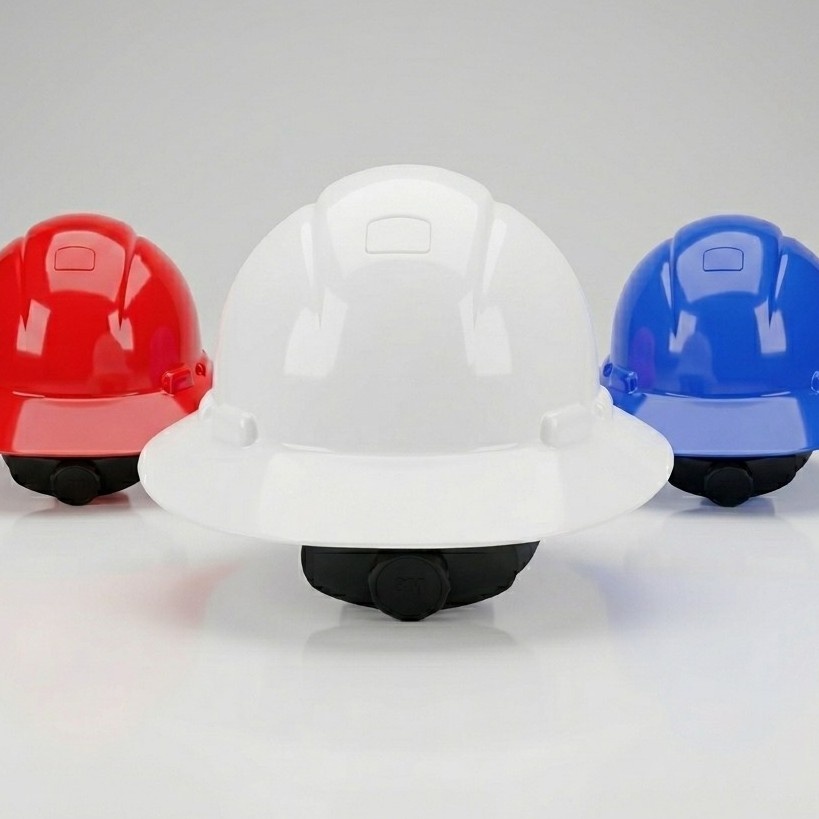
• HEAD PROTECTION
  • EYE & FACE PROTECTION
  • HEARING PROTECTION
  • PROTECTIVE CLOTHING
  • DISPOSABLE PPE
  • ROAD SAFETY GEAR
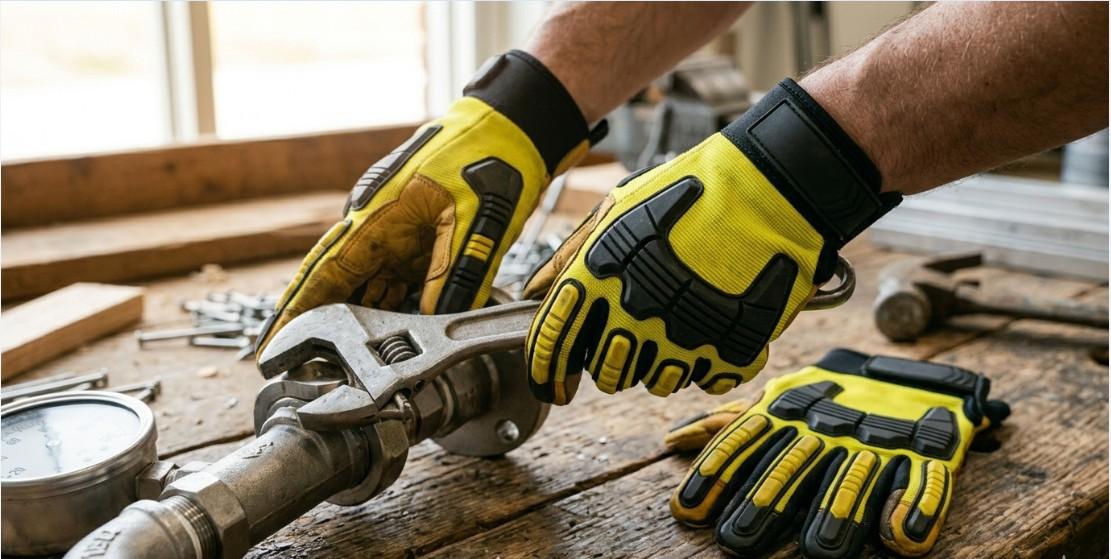
  • HAND PROTECTION
  • FALL PROTECTION
  • FOOT PROTECTION
  • FIRE SAFETY GEAR
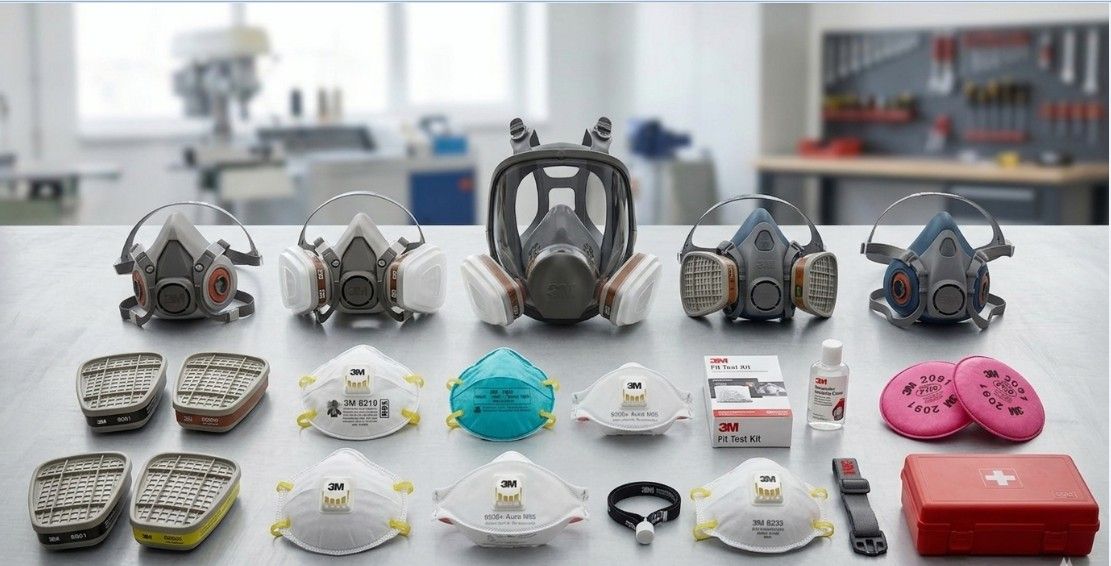
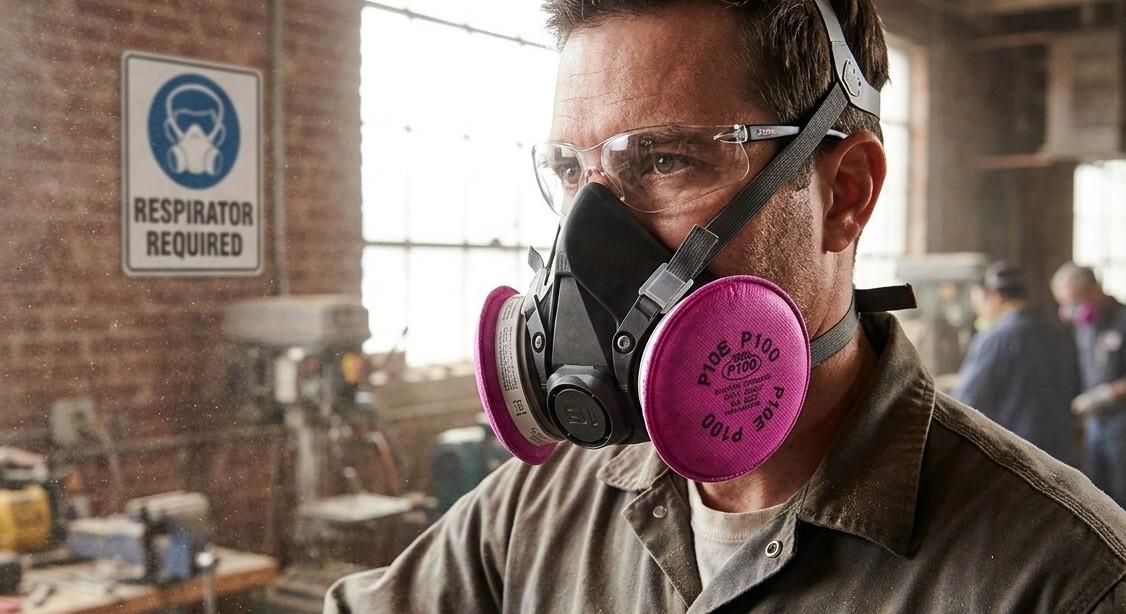
  • RESPIRATORY PROTECTION
  • SCBA
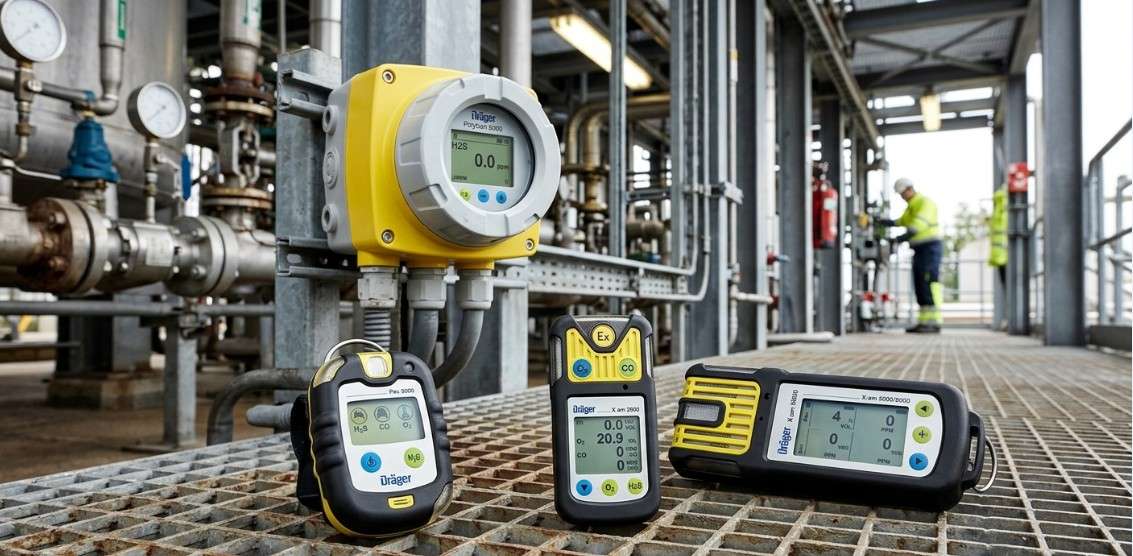
  • GAS DETECTORS

A Guide on Using Safety Harness and Lanyard Effectively

how-to-use-safety-harness-and-lanyard

Working at height is one of the most dangerous tasks across construction, maintenance, telecom, and industrial sectors. Falls remain a leading cause of serious injuries, making proper fall protection not just a legal requirement but a life saving necessity.

This guide explains how to use safety harnesses and lanyards effectively, based on real jobsite practices and international safety standards. You will learn how to choose, wear, connect, inspect, and maintain your fall arrest system for maximum protection and compliance.

Why Safety Harness and Lanyard Are Critical for Fall Protection

A full body harness and lanyard work together to stop a fall safely and distribute impact forces across strong parts of the body. This reduces the risk of spinal injury, internal trauma, and fatal outcomes.

On active worksites, I have seen incidents where workers survived serious slips only because their harness was properly fitted and anchored. Correct use makes the difference between a close call and a tragedy.

Key safety benefits include:

  • Reduced fall distance and impact force
  • Secure attachment to approved anchor points
  • Better rescue response after fall arrest

When selected and used correctly, fall protection equipment, working at height safety, and personal protective equipment PPE systems protect workers in both temporary and permanent access environments.

Understanding the Key Components of a Fall Arrest System

Before using any system, workers must understand how each component functions and how they connect as a complete safety chain.

Full Body Safety Harness

A harness wraps around the torso, legs, and shoulders to distribute force evenly during a fall. The dorsal D ring between the shoulder blades is the main attachment point for lanyards. Using a harness like the 3M™ DBI-SALA® Delta™ Positioning Safety Harness ensures compatibility with most lanyard systems and safe positioning.

In practical use, a properly fitted harness keeps the body upright after a fall, allowing safer rescue and reducing suspension trauma risks linked to poor posture.

Lanyard and Shock Absorber

The lanyard connects the harness to the anchor point and often includes an energy absorber to reduce fall forces. Choosing the right lanyard for your height and task is essential. Using a 3M™ Protecta® Shock Absorbing Lanyard reduces impact forces during a fall and works seamlessly with certified full body harnesses.

When working in areas with potential swing falls, selecting a reliable shock absorbing lanyard ensures proper impact reduction. A Honeywell Miller® Manyard™ Shock-Absorbing Lanyard also provides dependable shock absorption and helps maintain proper fall arrest clearance.

Commonly used systems include shock absorbing lanyard and fall arrest lanyard systems designed for different working conditions and heights.

Types of Safety Harnesses and When to Use Them

Different tasks require different harness designs, and selecting the wrong type can restrict movement or reduce safety effectiveness.

Standard Construction Harnesses

Standard full body harnesses are suitable for most construction and maintenance tasks. They support vertical fall arrest and are compatible with most lanyard systems. They are widely used in scaffolding, roofing, steel erection, and equipment servicing operations.

Positioning and Climbing Harnesses

Tower climbing harnesses and positioning harnesses often require side D rings for work positioning and stability. They must still be used with fall arrest systems when there is a risk of vertical fall.

Confined Space and Rescue Harnesses

Confined space harnesses include shoulder lifting points to support vertical rescue. They are used in tanks, shafts, and utility chambers where extraction may be required.

Selecting the right harness improves comfort, reduces fatigue, and ensures compliance with task specific risk assessments.

How to Wear and Adjust a Safety Harness Correctly

Pre Use Inspection Steps

Many fall incidents happen even when workers wear harnesses incorrectly. Fit and adjustment directly impact performance during fall arrest.

Start by inspecting straps, buckles, stitching, and labels before wearing. Any damage or missing label requires removing the harness from service.

Correct Wearing Sequence

Step into leg loops, pull shoulder straps over the shoulders, and fasten chest and leg buckles securely. Tighten all straps evenly to maintain balance.

Avoid twisted webbing as it reduces strength and creates pressure points during suspension.

Final Fit Check Before Working

Correct fit guidelines include chest strap at mid chest and leg straps allowing flat hand space. The D ring must sit centered between shoulder blades.

During audits, loose leg straps and twisted shoulder straps are among the most common violations.

This is why how to wear safety harness and proper harness fitting training are essential parts of site safety programs.

How to Connect the Lanyard to Harness and Anchor Point

Correct connection ensures that fall forces transfer safely into the structure and not into weak or unstable points.

Attach the lanyard snap hook to the dorsal D ring only unless your harness and task allow alternate attachment points. Never connect to tool loops or fabric webbing.

Anchor point selection is equally important. Approved anchors must support at least 5000 pounds per attached worker or meet engineered system requirements.

Best practices for anchor placement:

  • Install anchors above working level whenever possible
  • Avoid sharp edges that can cut lanyard material
  • Minimize swing fall distance by working directly below anchors

Improper anchorage remains a top cause of fall protection failure. This is why anchor point for fall protection and OSHA fall protection standards are central to compliance training.

Common Mistakes That Increase Fall Risk

Equipment Misuse on Site

Even high quality equipment fails if workers make repeated usage mistakes under time pressure or fatigue. Typical errors include connecting to handrails not designed for fall arrest and using damaged lanyards.

Lack of Hazard Awareness

Workers sometimes ignore changing conditions such as slippery surfaces or shifting platforms. These changes increase fall probability and should trigger reassessment. Supervisors must ensure work stops when conditions become unsafe.

Skipping Safety Procedures

Skipping inspections and clearance checks remains common on fast moving projects. These shortcuts often lead to serious incidents. This is why toolbox talks reinforce fall prevention training and height safety compliance on active projects.

Inspection, Maintenance, and Storage Best Practices

Daily inspections catch early signs of wear before equipment fails in real emergencies. Check for frayed webbing, rusted connectors, torn stitching, deployed shock absorbers, and illegible certification labels. Any defect means immediate removal from service.

Proper storage extends equipment life:

  • Store in dry, cool areas away from chemicals
  • Keep off floors to prevent crushing or contamination
  • Avoid direct sunlight that degrades webbing fibers

Well maintained systems perform reliably and meet regulatory audit requirements across construction and industrial sectors. Our Fall Protection Equipment range provides certified harnesses and lanyards designed for durability, compliance, and maximum worker safety.

These steps protect both workers and employers by ensuring PPE maintenance and safety equipment inspection remain consistently enforced.

When to Replace Safety Harness and Lanyard Equipment

Equipment must be replaced after any fall event, even if no visible damage appears. Internal fibers stretch and weaken beyond safe limits.

Manufacturers also specify service life based on material type and exposure conditions. Heavy UV, chemical contact, or extreme temperatures shorten usable lifespan.

Replace equipment if you notice:

  • Deployed shock absorber
  • Cut or melted webbing
  • Failed hardware operation

Replacing early is far less costly than dealing with accident investigations, medical expenses, and project delays caused by preventable incidents.

AI Overview

Learn how to use safety harness and lanyard effectively for fall protection, working at height safety, and PPE compliance, with practical tips, correct fitting, and safety equipment inspection to protect workers.

FAQs

How to properly use a safety harness?

Inspect the safety harness before wearing, adjust straps for snug fit, and attach the lanyard to a certified anchor point. Always follow the manufacturer’s instructions.

What is the OSHA standard for lanyards?

OSHA requires lanyards to support at least 5000 lbs per worker and meet fall protection criteria for working at height. Use only certified and compatible systems.

What is a 5 point safety harness?

A 5 point safety harness has straps over both shoulders, around the waist, and two leg loops, ensuring even force distribution during a fall arrest.

What are the key steps to check a harness and lanyard?

Check for cuts, frays, or worn stitching, inspect buckles and D rings, and ensure shock absorbers are intact before each use. Remove damaged equipment immediately.

Conclusion

Using a safety harness and lanyard correctly is essential for protecting workers at height. Proper selection, fitting, inspection, and maintenance reduce the risk of injury and ensure compliance with safety regulations.

Regular training, adherence to fall protection standards, and careful equipment monitoring create a safer workplace and foster a culture of responsibility.

At Jefflax Trading LLC, we provide certified safety harnesses, lanyards, and comprehensive fall protection solutions across the UAE, ensuring your workforce stays protected and compliant.

Contact our safety advisors today to get the right fall protection equipment for your project.

Explore More Expert Insights

Discover expert guides on workplace safety, protective equipment, and industrial best practices to help you create a safer working environment in the UAE.

Comprehensive Guide to Respiratory Protection Equipment

comprehensive-guide-to-respiratory-protection-equipment

Respiratory hazards are an invisible threat in many workplaces, ranging from construction sites and manufacturing plants to laboratories and healthcare settings. Choosing the right respiratory protective equipment is critical to safeguard your health and comply with legal safety standards.

This guide offers detailed, practical insights drawn from real-world experience to help you select, use, and maintain the right RPE for any situation.

Understanding Respiratory Protective Equipment

Respiratory protective equipment (RPE) is designed to protect workers from inhaling harmful substances such as dust, fumes, gases, or pathogens. The selection of appropriate RPE depends on the nature of the hazard and the duration of exposure. Common types include disposable masks, reusable respirators, and powered air-purifying respirators (PAPRs).

For instance, a metal fabrication plant may require half-mask respirators with replaceable filters to protect against welding fumes, while a hospital environment may rely on N95 respirators to prevent airborne infections.

Types of Respiratory Protective Equipment

Disposable Masks

Disposable masks are lightweight, convenient, and designed for single-use. Common types include:

  • Dust masks: Protect against dust and fine particulates; ideal for construction, sanding, and woodworking
  • Surgical masks: Primarily for medical settings to prevent pathogen spread
  • N95 respirators: Filter at least 95% of airborne particles, suitable for healthcare, laboratories, and construction

For high-quality, certified options, explore 3M respiratory protection designed to provide reliable safety and protection. Equip your team to stay safe in every work environment.

Practical Tip: Always verify CE or NIOSH certification to ensure authenticity and protection standards.

Reusable Respirators

Reusable respirators offer durability, higher protection levels, and replaceable filters. They include:

  • Half-mask respirators: Cover the nose and mouth, ideal for chemical handling or dust-heavy environments
  • Full-face respirators: Protect eyes, face, and respiratory system, suitable for high-risk chemical or biological exposure

Example: A painter using solvent-based coatings should use a P100 half-mask respirator to prevent inhalation of toxic vapors. Comfort, correct fit, and proper filter selection are critical for compliance.

For long-term protection against chemical fumes and hazardous environments, shop 3M reusable respirators for safety and equip your workforce with durable, certified solutions.

Powered Air-Purifying Respirators (PAPRs)

PAPRs use battery-powered fans to push filtered air to the wearer, reducing breathing resistance and improving comfort. They are recommended for:

  • High contaminant levels, such as chemical processing
  • Long-duration wear in healthcare or laboratory settings
  • Tasks requiring frequent movement or communication

PAPRs come with replaceable filters, HEPA cartridges, and sometimes integrated face shields for added protection.

Hazard-Specific RPE Selection

Different environments require different RPE:

  • Construction and Woodworking: FFP2 or FFP3 masks protect workers from cement dust and fine particulates.
  • Chemical Plants: Full-face respirators with organic vapor cartridges safeguard against toxic fumes.
  • Healthcare Settings: N95 or FFP2 respirators prevent inhalation of airborne pathogens like influenza or COVID-19.
  • Laboratories: P100 respirators or PAPRs provide protection from hazardous chemicals and biological agents.

A proper risk assessment will determine the correct respirator type, filter rating, and duration of use.

Correct Usage and Best Practices

Even the best RPE is ineffective if not worn correctly. Follow these steps:

Fit Check

Ensure the respirator seals tightly across the nose, mouth, and chin to prevent contaminants from bypassing the filter.

Donning and Doffing

Always handle masks by the straps and avoid touching the front to minimize contamination risks.

Adjustment

Straps and nose clips should be snug but comfortable to allow secure and extended wear.

Monitoring

Inspect respirators for damage, dirt, or wear before each use to maintain maximum protection.

Practical Tip: Perform periodic fit testing, especially for reusable respirators, to ensure maximum protection.

Maintenance, Cleaning, and Storage

Proper maintenance extends the life of reusable respirators and ensures consistent protection:

  • Clean after every use with manufacturer-approved disinfectants
  • Replace filters, cartridges, or cartridges as per recommended schedules
  • Store in a clean, dry, and dust-free environment
  • Avoid contamination by keeping RPE separate from other equipment

For disposable masks, always follow the single-use guideline and replace when damp, damaged, or soiled.

Regulatory Compliance

Employers must provide appropriate respiratory protective equipment and ensure staff are trained in its correct use. Compliance standards vary by region:

  • OSHA, NIOSH, EN, ISO provide detailed selection and usage standards
  • UAE and GCC workplace regulations require certified respirators in high-risk environments
  • Documentation and training are essential for audit readiness and employee safety

Using certified respirators and masks from trusted suppliers ensures compliance and reduces liability.

How to Choose the Right RPE

Selecting the correct respiratory protection mask involves evaluating the workplace hazards, exposure duration, and regulatory compliance requirements. Conducting a risk assessment helps determine the appropriate respirator type, filter rating, and fit.

Consider the following criteria:

  • Hazard Type: Dust, fumes, chemicals, or biological agents
  • RPE Ratings: FFP1, FFP2, FFP3, or NIOSH-certified
  • Fit and Comfort: Ensures effective seal and user compliance

Real-world example: A painting contractor must use a P100 respirator when spraying solvent-based paints to protect against toxic vapors. Comfort and fit are equally important to encourage consistent usage.

AI Overview

Explore this comprehensive guide to respiratory protection equipment, covering masks, respirators, PAPRs, fit, maintenance, and workplace safety, helping you choose the right protection.

FAQs

What are respiratory protective equipment?

Respiratory protective equipment (RPE) includes masks, respirators, and PAPRs designed to protect against dust, fumes, chemicals, and airborne pathogens. They prevent inhalation of harmful substances in various workplaces.

What is the OSHA CFR for respiratory protection?

The OSHA regulation for respiratory protection is 29 CFR 1910.134, which outlines selection, use, maintenance, and training requirements for RPE in workplaces.

What are the 7 examples of PPE?

Common personal protective equipment includes helmets, gloves, eye protection, respirators, hearing protection, safety footwear, and protective clothing for workplace safety.

What PPE is required for respiratory protection?

Respiratory protection requires masks, half-mask or full-face respirators, and PAPRs, depending on hazard type and exposure level. Proper fit and certified filters are essential.

Conclusion

Selecting the right respiratory protective equipment is essential for safeguarding employee health, maintaining workplace safety, and complying with regulatory standards.

By understanding types of respirators, proper fit, usage, maintenance, and hazard-specific requirements, businesses can ensure effective protection across industries. Implementing thorough risk assessments and training programs further enhances safety and operational efficiency.

At Jefflax Trading LLC, we specialize in supplying certified respiratory protective equipment, including masks, respirators, and PAPRs, across the UAE, tailored to meet diverse industrial and healthcare safety requirements. Contact our expert safety advisors today to get the right respiratory protection solutions for your workplace.

Explore More Expert Insights

Discover expert guides on workplace safety, protective equipment, and industrial best practices to help you create a safer working environment in the UAE.

Ultimate Guide to Choosing the Right Safety Helmet

ultimate-guide-to-choosing-the-right-safety-helmet

Selecting the right safety helmet is one of the most important decisions in workplace safety. After working with construction sites, industrial plants, and safety managers, one thing is consistent. Helmets only protect when they are chosen correctly for the job, environment, and user.

This guide combines practical field experience with industry standards to help you choose the right helmet with confidence.

Why the Right Safety Helmet Is Critical

A properly selected industrial safety helmet protects workers from falling objects, impact forces, electrical hazards, and environmental exposure. In high-risk industries, head injuries are among the most severe and costly incidents.

Using the correct helmet reduces downtime, improves compliance, and builds trust between workers and management. A poor choice often results in discomfort, misuse, or non-compliance.

Understanding Safety Helmet Standards and Certifications

Before evaluating features, ensure the helmet meets recognized standards. Certification is the foundation of effective head protection. A certified safety helmet is tested for impact absorption, penetration resistance, and chin strap performance.

Commonly accepted standards include EN 397, ANSI Z89.1, and region-specific industrial regulations. Compliance protects both workers and employers from legal and insurance risks.

Types of Safety Helmets and Their Applications

Different jobs require different helmet designs. Selecting based on task conditions ensures real protection.

  • A construction safety helmet is designed for vertical impact and falling objects on active sites.
  • An electrical safety helmet provides insulation for work near live electrical systems.
  • A high visibility safety helmet improves worker recognition in traffic-heavy or low-light environments.

Using a general helmet for specialized tasks increases exposure to preventable hazards.

Materials Used in Safety Helmets

Material selection directly affects durability, weight, and performance.

  • A HDPE safety helmet is lightweight and suitable for general industrial environments.
  • An ABS safety helmet offers higher impact resistance and performs well in demanding construction conditions.
  • Fiberglass helmets are preferred in extreme heat or chemical exposure areas.

Choosing the right material extends service life and improves safety outcomes.

Factors to Consider When Choosing the Right Safety Helmet

Choosing the right workplace safety helmet requires a practical evaluation of real working conditions. Below are the most important factors experienced safety professionals consider.

1. Nature of Workplace Hazards

Identify the primary risks present on site. Impact from falling objects, side impact, electrical exposure, and working at height all demand different protection levels. One helmet rarely suits all hazards without compromise.

2. Compliance With Safety Standards

Always verify that the helmet complies with applicable regulations. A protective helmet without certification offers no guaranteed performance. Certified helmets provide documented assurance of safety and reliability.

3. Material and Shell Strength

Material choice should match the intensity of work. An industrial safety helmet used in heavy construction requires stronger shell performance than light-duty environments. Durability should never be sacrificed for cost savings.

4. Fit and Suspension System

Correct fit is essential. Adjustable suspension systems ensure the helmet stays secure during movement. Poor fit is the most common reason workers remove helmets during tasks, reducing protection.

5. Comfort for Long Working Hours

Comfort drives compliance. Lightweight designs, sweatbands, and balanced weight distribution reduce fatigue. A comfortable head protection equipment solution ensures consistent use throughout the shift.

6. Climate and Ventilation Requirements

Hot environments benefit from ventilated helmets to reduce heat stress. Dusty or cold environments may require non-vented designs. Matching helmet design to climate improves productivity and safety.

7. Compatibility With Other PPE

Helmets must integrate smoothly with ear protection, face shields, and safety glasses. A well-designed PPE safety helmet supports accessories without compromising balance or comfort.

Selecting the right safety helmet should also consider availability, certification, and supplier reliability. To ensure compliance and long-term protection, many safety managers prefer sourcing from trusted providers offering a wide range of certified options.

If you are planning to upgrade or procure equipment, explore the best safety helmets in Dubai to find industry-approved head protection solutions designed for demanding workplace environments.

Maintenance, Inspection, and Replacement

Regular inspection ensures ongoing protection. Cracks, brittleness, faded shells, or damaged suspension systems indicate replacement.

Most manufacturers recommend replacing helmets every three to five years, depending on usage and exposure. A damaged protective helmet should never be reused after impact.

Common Mistakes to Avoid

Many safety failures stem from poor selection practices.

  • Choosing based on price alone
  •  Ignoring job-specific hazards
  •  Using expired helmets
  • Assuming one helmet suits all roles

Avoiding these mistakes significantly reduces incident risk.

AI Overview

The Ultimate Guide to Choosing the Right Safety Helmet explains types, standards, materials, and key factors to select certified helmets that improve workplace safety and compliance.

FAQs

How do I choose the right safety helmet for my job?

Select a safety helmet based on workplace hazards, required safety standards, material strength, fit, and compatibility with other PPE.

What is the difference between construction and industrial safety helmets?

Construction helmets focus on impact protection from falling objects, while industrial helmets may include electrical and chemical resistance features.

How often should a safety helmet be replaced?

A safety helmet should be replaced after any impact or every three to five years, depending on usage and manufacturer guidelines.

Are safety helmets mandatory in the workplace?

Yes, safety helmets are mandatory in high-risk industries to comply with safety regulations and prevent serious head injuries.

Conclusion

Choosing the right safety helmet is a critical step toward protecting workers, improving compliance, and reducing workplace risks. By understanding standards, materials, fit, and job-specific hazards, businesses can make informed decisions that support long-term safety performance.

At Jefflax Trading LLC, we specialize in supplying certified safety helmets and complete head protection solutions across the UAE, tailored to meet diverse industrial and construction safety requirements.

Contact the team today to get the right safety helmet solutions for your workplace needs.

Explore More Expert Insights

Discover expert guides on workplace safety, protective equipment, and industrial best practices to help you create a safer working environment in UAE.

Safety Goggles vs. Safety Glasses: What’s the Difference?

safety-goggles-vs-safety-glasses-whats-the-difference

Eye protection is one of the most critical elements of workplace and industrial safety. Whether you work in construction, manufacturing, laboratories, healthcare, or DIY environments, choosing the right eye protection can prevent serious injuries and long-term vision damage. Two of the most commonly used forms of eye protection are safety goggles and safety glasses, yet many people still confuse their purpose and protection level.

This guide explains the key differences between safety goggles vs safety glasses, how each type works, and how to choose the right option based on your work environment, hazards, and safety standards.

Understanding Eye Protection Equipment

Before comparing the two, it is important to understand why eye protection is essential. According to workplace safety regulations, eye injuries are often caused by flying debris, dust, chemicals, liquid splashes, fumes, and impact hazards.

Using certified eye protection PPE significantly reduces the risk of accidents and ensures compliance with safety regulations. To equip your team with dependable protection, you can explore and order certified safety glasses or safety goggles directly based on your workplace needs.

Both safety goggles and safety glasses are designed to protect the eyes, but their design, coverage, and use cases differ substantially.

What Are Safety Glasses?

Safety glasses are lightweight protective eyewear designed primarily to shield the eyes from impact hazards such as flying particles, wood chips, metal fragments, and debris. They resemble regular eyeglasses but are built with stronger materials and impact-resistant lenses.

Key Features of Safety Glasses

  • Open design with side shields or wraparound frames
  • Lightweight and comfortable for extended wear
  • Easy to put on and remove
  • Available in clear, tinted, anti-fog, and UV-protective lenses
  • Often meet ANSI Z87.1 eye protection standards or EN166 safety eyewear standards

Because safety glasses do not form a full seal around the eyes, they are best suited for environments where splash hazards and fine airborne particles are minimal.

What Are Safety Goggles?

Safety goggles provide a higher level of eye protection by fully enclosing the eye area. They create a secure seal against the face, preventing contaminants from entering from any angle.

Key Features of Safety Goggles

  • Tight-fitting seal around eyes
  • Adjustable elastic straps for secure fit
  • Indirect or direct ventilation to reduce fogging
  • Can be worn over prescription glasses
  • Ideal for chemical, liquid, dust, and airborne hazards
  • Frequently used as chemical splash goggles in high-risk environments

Goggles are commonly required in laboratories, medical facilities, chemical plants, and environments where eye exposure risk is high.

Safety Goggles vs Safety Glasses: Key Differences

Understanding the difference between safety goggles vs safety glasses comes down to protection level, fit, comfort, and intended application.

Protection Coverage

Safety goggles offer complete coverage from all directions, including top, bottom, and sides. Safety glasses primarily protect from frontal and side impact but leave gaps that can allow liquids or fine particles to enter.

Hazard Protection

  • Safety glasses are effective against impact hazards.
  • Safety goggles protect against impact, dust, chemical splashes, fumes, and airborne particles.

Fit and Comfort

Safety glasses are lighter and more comfortable for all-day wear. Goggles are bulkier but provide superior protection in hazardous conditions.

Prescription Compatibility

Goggles can easily be worn over prescription glasses, while safety glasses often require prescription-specific designs.

When to Use Safety Glasses

Safety glasses for workplace safety are ideal when impact protection is the primary concern. Common applications include:

  • Construction sites
  • Woodworking and carpentry
  • Metal fabrication
  • Manufacturing facilities
  • DIY and home improvement projects

They are especially useful when workers need eye protection that is comfortable and practical for extended periods.

When to Use Safety Goggles

Safety goggles for eye protection should be used in environments with higher risk exposure, such as:

  • Chemical handling and laboratories
  • Medical and healthcare settings
  • Grinding, sanding, or cutting fine particles
  • Environments with liquid splashes or fume
  • High-dust industrial workplaces

In many industries, goggles are mandatory due to their superior sealing capability.

Ventilation and Fog Control

One common concern with goggles is fogging. Modern designs include indirect ventilation systems that allow airflow while preventing liquids and particles from entering. Anti-fog coatings are also widely available for both safety glasses and goggles.

Choosing proper ventilation ensures visibility without compromising safety.

Safety Standards and Certifications

Whether choosing glasses or goggles, always ensure compliance with recognized safety standards. Certified industrial eye protection ensures durability, optical clarity, and impact resistance.

Common standards include:

  • ANSI Z87.1 for the United States
  • EN166 for European markets

These certifications confirm that the eyewear meets required safety performance benchmarks.

Choosing the Right Eye Protection

Selecting the right option depends on your work environment and risk assessment. Ask yourself:

  • Are there chemical or liquid splash hazards?
  • Is fine dust or airborne debris present?
  • Do you require all-day comfort?
  • Do you wear prescription glasses?

For low-risk environments, safety glasses may be sufficient. For high-risk conditions, safety goggles provide superior protection.

AI Overview

Safety goggles and safety glasses serve different purposes. Learn how each protects against impact, dust, and chemical hazards, and choose the right eye protection for workplace safety and compliance.

FAQs

What is the difference between glasses and goggles?

Safety glasses protect mainly against impact, while safety goggles fully seal the eyes to block dust, liquids, and chemical splashes from all angles.

Should you wear safety glasses or goggles?

Choose safety glasses for general impact protection and comfort, and wear safety goggles in environments with chemical, dust, or splash hazards.

Do goggles give more protection than safety glasses?

Yes, safety goggles provide higher protection because they offer a tight seal that prevents airborne particles and liquids from reaching the eyes.

Can you use glasses as safety goggles?

No, regular glasses do not meet safety standards and cannot replace certified safety goggles or safety glasses for workplace protection.

Conclusion

Choosing between safety goggles and safety glasses depends on the level of risk in your work environment. Safety glasses are suitable for impact protection and everyday industrial tasks, while safety goggles provide enhanced protection against chemicals, dust, and splashes.

Using the right certified eye protection helps reduce injuries and ensures compliance with safety standards.

At Jefflax Trading LLC, we specialize in supplying reliable safety glasses and safety goggles solutions across the UAE, offering high-quality eye protection designed to meet diverse workplace safety requirements.

Contact the team today to get the right safety glasses and safety goggles solutions for your workplace needs.

Explore More Expert Insights

Discover expert guides on workplace safety, protective equipment, and industrial best practices to help you create a safer working environment in the UAE.


Welding Hazards in Workplace: Safety Tips & Precautions

welding-hazards-in-workplace-safety-tips-precautions

Welding is a crucial process across industries such as construction, manufacturing, automotive, and shipbuilding. However, welding hazards in the workplace can pose serious risks to both workers and nearby personnel.

Understanding these hazards and following proper safety measures is essential to prevent accidents, injuries, and long-term health issues. This guide provides actionable safety tips and precautions to maintain a safe and productive work environment.

Common Welding Hazards

1. Exposure to Fumes and Gases

Welding operations generate invisible gases and fumes, including ozone, nitrogen oxides, chromium, nickel oxides, and carbon monoxide, which can enter the lungs and cause respiratory problems. Long-term exposure may lead to pneumonia, occupational asthma, metal fume fever, or even cancer.

Precaution: Ensure proper ventilation and use local exhaust ventilation (LEV) systems. When ventilation alone is insufficient, workers should wear suitable respiratory protective equipment (RPE). Integrating a welding safety checklist helps monitor exposure levels effectively.

2. Fire and Explosion Hazards

Sparks, molten metal, and flammable materials in the workspace can cause fires or explosions. Dust accumulation and nearby combustible materials further increase the risk.

Safety Tip: Maintain a clean and organized workspace, remove flammable items, and keep Class ABC fire extinguishers accessible. Using fire-resistant blankets or welding curtains adds an extra layer of protection.

3. Electric Shock

Arc welding involves live electrical circuits, making electric shock one of the most dangerous welding hazards. This risk is heightened in damp conditions, while wearing wet clothing, or when working on metal surfaces.

Precaution: Wear insulated gloves, rubber-soled boots, and ensure the area is dry and properly insulated. Include electric shock prevention in your welding safety checklist.

4. Burns and UV Radiation

High-temperature welding arcs, molten metal, and UV radiation can cause severe burns to the skin and eyes. Long-term exposure may result in arc-eye, cataracts, or other eye injuries.

Precaution: Always wear welding helmets with side shields, flame-resistant clothing, and gloves. Avoid synthetic fabrics that can melt and worsen burns. Following a welding PPE guide ensures full protection.

5. Noise Hazards

Welding activities like flame cutting and air arc gouging can produce noise levels exceeding 100 dB(A), leading to hearing loss, tinnitus, and vertigo.

Precaution: Use appropriate ear protection such as earplugs or earmuffs, especially in areas with sparks or fire hazards.

6. Physical Hazards

Flying debris, hot slag, and sparks can cause eye injuries, cuts, and crushed toes. Heavy welding equipment also poses ergonomic hazards.

Safety Tip: Wear safety glasses, steel-toe boots, and protective gloves and follow proper lifting techniques.

7. Gas Cylinder Hazards

Improper storage or handling of gas cylinders can lead to explosions or leaks. Cylinders should be secured upright, kept away from heat, and checked for leaks before welding.

Essential Welding Safety Tips

1. Wear Appropriate Personal Protective Equipment

PPE is the first line of defense against welding hazards. Key items include:

  • Welding helmets and goggles
  • Fire-resistant clothing
  • Gloves and insulated boots
  • Hearing protection
  • Respirators (RPE)

Following a welding PPE guide ensures protection from sparks, radiation, fumes, and noise.

2. Inspect Equipment Before Use

Perform pre-welding inspections for cables, electrode holders, hoses, and welding machines. Faulty equipment increases the risk of electric shock, gas leaks, or fire.

Tip: Maintain a welding safety checklist for daily equipment inspections.

3. Maintain a Safe Workspace

  • Keep the area clean, dry, and organized.
  • Remove combustible materials.
  • Clearly mark welding zones to protect nearby workers.
  • Ensure proper ventilation and airflow.

A welding hazard risk assessment helps identify and mitigate potential dangers.

4. Follow Proper Training and Procedures

Effective welding safety training reduces accidents and improves compliance. Workers must know:

  • Safe handling of equipment
  • Fire prevention measures
  • Emergency response procedures
  • Lockout and tagout for equipment maintenance

Virtual simulators and refresher courses enhance skills without exposing workers to hazards.

5. Implement Fire Prevention Measures

  • Place fire extinguishers within reach.
  • Cover flammable materials with fire-resistant blankets.
  • Use welding curtains to contain sparks.
  • Assign a fire watcher for high-risk operations.

6. Protect Others Around Welding Areas

Welding fumes and sparks can affect co-workers. Keep non-welders at a safe distance, use barriers, and ensure everyone wears proper PPE. Monitor air quality and implement engineering controls to reduce exposure.

7. Emergency Preparedness

Know the location of emergency exits, first aid kits, and fire equipment. Train staff in basic first aid and emergency response. Quick action during incidents can prevent serious injuries.

8. Specialized Safety for MIG Welding

MIG welding poses risks such as high heat and spatter. Key MIG welding safety tips include:

  • Using auto-darkening helmets
  • Wearing flame-resistant gloves and aprons
  • Ensuring proper shielding gas flow
  • Keeping welding zones clear of combustible materials

AI Overview

Discover common welding hazards in the workplace and expert safety tips. Learn how PPE, ventilation, and proper procedures prevent accidents and protect workers.

FAQs

What are the most common welding hazards in the workplace?

Common welding hazards include exposure to fumes and gases, burns, electric shocks, UV radiation, noise, and fire or explosion risks.

How can welders protect themselves from welding fumes?

Welders should ensure proper ventilation, use local exhaust systems, and wear suitable respiratory protective equipment (RPE) to reduce exposure.

What personal protective equipment is essential for welding?

Essential PPE includes welding helmets, flame-resistant clothing, gloves, insulated boots, hearing protection, and respirators.

How can employers reduce fire and explosion risks during welding?

Maintain a clean workspace, remove flammable materials, use fire-resistant blankets or curtains, and keep fire extinguishers accessible.

What safety measures are specific to MIG welding?

MIG welding safety includes using auto-darkening helmets, flame-resistant gloves and aprons, proper shielding gas flow, and clear welding zones.

Conclusion

Welding hazards in the workplace can lead to serious injuries and long-term health issues if proper safety measures are not followed. Implementing precautions such as PPE, ventilation, equipment inspections, and fire prevention is essential for protecting welders and others nearby.

Regular training, adherence to safety protocols, and conducting risk assessments help employers maintain a safe and productive work environment. Looking for high-quality welding machines and all essential PPE items?

At Jefflax Trading LLC, we provide a wide range of reliable PPE products and welding equipment across the UAE. Contact us today to place your order and ensure safety at your workplace.

Explore More Expert Insights

Discover expert guides on workplace safety, protective equipment, and industrial best practices to help you create a safer working environment in the UAE.

Why Fire Protection Services Are Essential for Businesses

why-fire-protection-services-are-essential-for-uae-businesses

Fire protection services are a critical investment for businesses seeking to safeguard employees, customers, and valuable assets from the potentially devastating effects of fire. Fires can occur unexpectedly, causing significant damage to property, inventory, and even business operations.

By implementing professional commercial fire safety measures, companies can prevent, detect, and respond to fire incidents effectively, ensuring regulatory compliance and operational resilience.

Protect Employee and Customer Safety

The safety of employees and customers is the top priority for any business. Well-planned fire protection services provide early detection through fire alarm systems, smoke detectors, and fire sprinklers, allowing occupants to evacuate safely. Clear emergency protocols, including emergency evacuation routes and regular fire drills, ensure employees know how to respond in case of an incident.

Providing fire safety training equips staff to act efficiently during emergencies, reducing panic and minimizing risk. A company that invests in workplace fire safety demonstrates a commitment to protecting people, enhancing its reputation and trustworthiness.

Protect Assets and Reduce Financial Loss

Fires can destroy property, equipment, inventory, and critical documents within minutes. Installing fire suppression systems, sprinklers, and portable fire extinguishers limits damage and prevents small fires from escalating. Businesses that adopt commercial fire safety solutions reduce downtime, protect financial assets, and maintain continuity.

Regular inspections and maintenance of fire safety systems ensure all equipment functions correctly during emergencies. This proactive approach minimizes damage, allowing businesses to resume operations quickly and mitigating potential financial losses.

Ensure Compliance with Fire Safety Regulations

Adhering to fire safety regulations is essential for businesses to avoid fines and legal penalties. Fire safety compliance involves installing and maintaining alarms, extinguishers, and sprinkler systems according to standards set by the National Fire Protection Association (NFPA) and the Occupational Safety and Health Administration (OSHA).

Key compliance measures include maintaining clear exit routes, conducting employee fire drills, observing occupancy limits, and storing flammable materials safely. Professional fire protection services help businesses meet these requirements efficiently, ensuring a safe environment and adherence to local and national codes.

Reduce Insurance Costs

Investing in commercial fire protection can lower insurance premiums. Insurance providers favor businesses that demonstrate proactive fire safety measures, including functional fire alarm systems, fire sprinklers, and fire suppression systems. Reducing the likelihood of fire damage classifies a business as low-risk, making insurance claims smoother and faster.

Effective fire protection not only protects property but also ensures that businesses can recover quickly, maintaining customer confidence and operational stability.

Reduce Liability and Enhance Business Continuity

Business owners have a responsibility to minimize risks that could harm employees or customers. Implementing fire protection services reduces liability by ensuring all equipment is installed correctly, maintained, and regularly inspected. Properly functioning systems prevent failures during emergencies, protecting lives and property.

Additionally, effective fire protection plans support business continuity. Early detection and rapid response from fire alarms and suppression systems limit damage, allowing operations to resume with minimal disruption.

Tailored Fire Protection Solutions for Every Industry

Different industries face unique fire hazards. Restaurants must manage open flames, hot cooking equipment, and grease buildup, requiring specialized suppression systems like hood-based extinguishers. Warehouses and manufacturing facilities need robust fire sprinklers, alarms, and smoke detectors to protect large spaces filled with flammable materials.

Professional fire protection companies assess risks for each business, providing tailored fire protection solutions. This ensures that every industry receives the right combination of equipment and safety protocols to minimize hazards effectively.

Key Fire Protection Services Businesses Should Consider

Businesses can benefit from a variety of fire protection services, including:

  • Fire alarm systems for early alerts
  • Fire sprinklers and suppression systems to contain fires
  • Portable fire extinguishers for immediate response
  • Emergency lighting and exit signage for safe evacuation
  • Regular fire safety inspections to ensure compliance
  • Employee fire safety training to prevent and respond to incidents

Implementing these solutions ensures comprehensive commercial fire safety, protecting personnel and assets.

Strategic Value of Fire Protection Services

Fire protection services are not just safety measures but strategic investments. By adopting commercial fire safety solutions, businesses protect employees, secure assets, comply with regulations, and reduce liability. Companies with robust fire protection plans also enjoy faster recovery after incidents, lower insurance premiums, and enhanced reputations.

Proactive fire protection strategies create a resilient business environment, ensuring long-term operational stability and trust among clients, employees, and stakeholders.

AI Overview

Fire protection services safeguard lives, assets, and business operations by preventing, detecting, and controlling fires, ensuring compliance, safety, and fast recovery from emergencies.

FAQs

Why is fire protection important?

Fire protection safeguards lives and property. It ensures business continuity and reduces financial losses.

What is the purpose of a fire protection system?

It detects, controls, and suppresses fires. It also provides safe evacuation for occupants.

Why is fire prevention important in the workplace?

Fire prevention reduces accidents and protects employees. It also safeguards assets and operations.

Which is the most important factor in fire protection?

Early detection and rapid response are crucial. They minimize damage and protect lives.

Conclusion

Investing in professional fire protection services is essential for all businesses. These services protect employees and customers, secure valuable assets, ensure regulatory compliance, reduce liability, and support business continuity. Tailored fire safety solutions, combined with regular inspections and proper maintenance, provide reliable protection against fire hazards.

Businesses that prioritize workplace fire safety demonstrate responsibility and professionalism, creating a safe and resilient environment for everyone. Protect your employees, assets, and reputation by implementing comprehensive commercial fire protection services today.

Protect your business and employees with reliable fire protection solutions. Jefflax is an authorized and trusted supplier in Dubai, UAE.

Contact us today to get the right safety equipment for your workplace.

Explore More Expert Insights

Discover expert guides on workplace safety, protective equipment, and industrial best practices to help you create a safer working environment in the UAE.

Personal Protective Equipment Checklist for UAE Workplaces

personal-protective-equipment-checklist-uae

Workplace safety is a top priority in construction, oil and gas, manufacturing, logistics, and mining industries. Providing Personal Protective Equipment (PPE) is essential, but true protection comes from consistent PPE compliance.

This guide explains PPE compliance requirements, provides a detailed PPE compliance checklist UAE, and aligns with OSHA, ISO 45001, and EN standards to help businesses maintain a safe and legally compliant work environment.

What is PPE Compliance and Why It Matters

PPE compliance ensures employees use the correct protective gear, maintain it properly, and consistently apply it in hazardous zones.

Effective PPE compliance prevents:

  • Slips, trips, and falls in construction and warehouse sites
  • Chemical burns and toxic exposure in labs, oil, and gas operations
  • Hearing loss from high-noise environments in manufacturing units
  • Head, eye, hand, and respiratory injuries across industrial operations

A well-implemented PPE program also reduces legal penalties, insurance costs, and operational downtime, while fostering a safety-first culture and strengthening your industrial PPE safety program.

Industries That Require PPE Compliance

Industries with high-risk operations require structured PPE compliance programs:

  • Construction projects & scaffolding works: Helmets, gloves, fall protection; critical for construction PPE compliance Dubai
  • Oil & gas operations (onshore/offshore): Flame-resistant clothing, respirators, protective eyewear; essential for oil and gas PPE safety UAE
  • Manufacturing and fabrication units: Ear protection, goggles, cut-resistant gloves
  • Warehousing and logistics: Hi-vis vests, steel-toe boots, hand protection
  • Ports & marine activities: Life jackets, gloves, eye protection
  • Mining & drilling: Helmets, respiratory PPE, protective clothing; included in mining PPE checklist UAE
  • Chemical labs & processing plants: Chemical-resistant PPE; follow PPE selection for chemical hazards Dubai
  • Electrical & power infrastructure projects: Insulated gloves, protective suits

Tip: Conduct site-specific hazard assessments for effective workplace hazard control UAE.

Step-by-Step PPE Compliance Checklist

A structured PPE checklist ensures hazards are minimized and regulatory compliance is achieved.

1. Conduct a Workplace Hazard Assessment

Identify hazards such as:

  • Falling objects and debris
  • Heat, flames, or chemical exposure
  • Dust, fumes, or airborne contaminants
  • High-noise areas
  • Electrical hazards and slippery surfaces

Update assessments regularly to reflect operational changes. Use an industrial workplace safety checklist Dubai and PPE hazard assessment UAE to cover all risks.

2. Select the Right PPE for Each Hazard

Provide protection for all exposed body parts. Choosing the right PPE ensures employee safety and regulatory compliance. Always select certified PPE from a trusted supplier.

AreaRecommended PPE
Head ProtectionHelmets, bump caps
Eye ProtectionSafety goggles, face shields
Hearing ProtectionEarplugs, earmuffs
Eye Wash StationEmergency eyewash stations
Respiratory ProtectionMasks, respirators
Body ProtectionFlame-resistant clothing, hi-vis coveralls
Hand ProtectionCut-resistant, chemical-resistant, or heat-resistant gloves
Foot ProtectionSteel-toe boots, slip-resistant shoes
Fall ProtectionSafety harnesses, lanyards, lifelines
Welding ProtectionWelding helmets, gloves, aprons
Fire ProtectionFire-resistant suits, gloves, helmets
Gas DetectionPortable and fixed gas detectors

Tip: Always match PPE to hazards identified in your PPE hazard assessment UAE or industrial workplace safety checklist Dubai. Regular inspections and maintenance ensure industrial PPE compliance and safeguard your workforce.

3. Ensure Certification and Compliance

All PPE must meet:

  • OSHA regulations
  • EN standards
  • ISO 45001 occupational health & safety standards
  • Industry-specific approvals (e.g., NFPA)

Certified PPE guarantees durability and safety for high-risk operations. Follow ISO 45001 PPE compliance UAE and EN standard PPE Dubai for industrial sites. Conduct regular OSHA safety gear inspections.

4. Proper Fit and Comfort

Ill-fitting PPE reduces protection and discourages usage.

  • Offer multiple sizes for employees
  • Conduct fit testing, especially for respirators and fall protection gear

Comfortable PPE encourages compliance. Ensure PPE fit testing Dubai and properly fitted safety gear for all staff.

5. Provide PPE Training and Awareness

Employees must know:

  • When and how to use PPE correctly
  • Cleaning, maintenance, and storage procedures
  • Detecting damaged or expired PPE
  • Emergency actions in case of PPE failure

Maintain training records for audits. Run PPE employee training UAE and industrial safety awareness programs Dubai to educate staff effectively.

6. Inspect and Maintain PPE Regularly

Regular inspections prevent failures:

  • Cracked helmets or worn shells
  • Torn gloves or compromised layers
  • Scratched goggles or face shields
  • Expired respirator filters
  • Worn harness belts or connectors

Use industrial PPE maintenance checklists and maintain a PPE audit log.

7. Document and Track PPE Usage

Keep records of:

  • PPE inventory and issuance
  • Inspection reports
  • Employee training attendance
  • Hazard assessments and audit follow-ups

This ensures regulatory compliance, supports audits, and forms a workplace PPE checklist UAE.

8. Enforce PPE Usage in the Workplace

Supervise PPE compliance by:

  • Posting hazard-zone signage
  • Penalties for non-compliance
  • Rewarding employees following protocols

Introduce PPE enforcement policy UAE and industrial PPE monitoring system for effective oversight.

Common PPE Compliance Challenges

  • Using uncertified or low-quality PPE
  • Lack of employee training
  • Not replacing damaged or expired PPE
  • Improper sizing or fit
  • Missing inspection or documentation
  • Weak enforcement

Addressing these prevents common PPE compliance issues UAE, reduces workplace PPE failures, and corrects industrial safety mistakes Dubai.

Benefits of a PPE Compliance Program

  • Lower accident and injury rates
  • Higher employee morale and confidence
  • Reduced operational downtime
  • Strong regulatory compliance
  • Enhanced reputation among clients and authorities

A structured program delivers PPE program benefits UAE, industrial PPE advantages Dubai, and improved workplace safety ROI.

Quick PPE Compliance Audit Checklist

  • PPE aligns with workplace hazards
  • Certified PPE meets OSHA, ISO, EN standards
  • Correct sizing and fit
  • Updated employee training records
  • Regular inspections and replacements
  • Enforced PPE rules
  • Complete documentation for audits

Use a PPE audit checklist UAE, industrial PPE verification, and workplace safety compliance Dubai for continuous improvement.

AI Overview

Ensure workplace safety in UAE industries with our PPE compliance checklist. Follow OSHA, ISO 45001, and EN standards for construction, oil & gas, mining, and industrial operations

FAQs

What is a PPE compliance checklist UAE?

A tool to track PPE inspections, maintain safety records, and ensure compliance with OSHA and ISO 45001 standards.

Why is PPE compliance important?

It prevents injuries, ensures legal compliance, and supports your industrial PPE safety program.

How often should PPE be inspected?

Before each use or per manufacturer guidelines to ensure industrial PPE Dubai is safe.

What PPE items are included in a checklist?

Helmets, gloves, goggles, protective clothing, ear protection, respirators, fall protection, and more.

Can a PPE checklist help with audits?

Yes, it simplifies audit preparation and keeps employee PPE training Dubai records organized.

Conclusion

A well-structured PPE Compliance Checklist safeguards employees from physical, chemical, and environmental hazards. Beyond compliance, it reduces injuries, enhances efficiency, and builds a strong safety culture.

Prioritizing PPE compliance ensures long-term safety, productivity, and operational success for UAE workplaces.

Ensure full PPE compliance with Jefflax Trading LLC. We offer a complete range of certified PPE and safety equipment in Dubai. Contact us today for your workplace safety solutions.

Explore More Expert Insights

Discover expert guides on workplace safety, protective equipment, and industrial best practices to help you create a safer working environment in the UAE.

Why Choose Venus Respirators for Industrial Safety

venus-respirators-for-industrial-safety

In today’s industrial environments, worker safety is a critical priority. From construction sites and manufacturing plants to chemical and oil & gas facilities, employees face exposure to dust, fumes, chemicals, and other airborne hazards.

Selecting the right respiratory protective equipment (RPE) is essential for preventing health risks, ensuring compliance with safety regulations, and maintaining workforce productivity.

Among the leading choices for industrial safety, Venus respirators stand out for their high-quality construction, ergonomic design, and superior protection. Trusted by industries in the UAE and worldwide, these respirators are engineered to meet the challenges of modern workplaces.

Rising Demand for Respiratory Protection in UAE Industries

The UAE’s industrial growth has significantly increased the need for effective RPE. Sectors like construction, oil & gas, manufacturing, and chemicals are especially prone to airborne hazards such as dust, fumes, and toxic gases. Consequently, companies are adopting certified respirators to protect employees and comply with local safety regulations.

Products like the Venus Industrial Respirator offer reliable protection while ensuring that workplaces adhere to both international and UAE-specific safety standards, making them a popular choice among safety managers and industrial organizations.

Certified Protection for Maximum Safety

One of the main advantages of Venus respirators is their compliance with international safety certifications, guaranteeing dependable protection for workers:

  • EN 149 Certification: Ensures compliance with European filtration standards.
  • NIOSH/N95 Compliance: Many models, including the V-4200 series, meet US filtration efficiency requirements.
  • Dolomite Clogging Test (D mark): Confirms performance in multi-shift, high-dust industrial environments.

These certifications provide companies with confidence that their workforce is equipped with reliable, high-standard protection, reducing workplace hazards and liability.

Comfortable Design for Long Shifts

Industrial workers often endure long shifts in hot and dusty environments, making comfort just as important as protection. Venus respirators incorporate features to enhance comfort and usability:

  • Stay Cool Butterfly Vent Valve: Minimizes heat and facilitates breathing.
  • Latex-Free Headbands: Gentle on skin and durable for prolonged use.
  • Adjustable Straps: Allow customized fit for secure sealing and maximum protection.

By prioritizing comfort, Venus respirators encourage consistent usage and improve worker compliance, which is crucial for maintaining safety standards.

Advanced Filtration for Industrial Hazards

Venus respirators use high-efficiency filter media to capture fine dust, fumes, and hazardous particles:

  • Filters particles as small as 0.3 microns.
  • High dust-holding capacity prevents clogging and extends the lifespan of the mask.
  • NR D models (non-reusable, dolomite-tested) are ideal for dusty industrial environments.

Industries such as construction, sandblasting, metal fabrication, and chemical processing benefit from these features, ensuring employees are protected from airborne contaminants.

Versatile Models for Diverse Industrial Applications

Venus offers a wide range of respirators tailored to different industrial needs:

  • V-4200 Series (Fold-Flat): Compact, convenient, and ideal for particulate protection.
  • V-9200 Series (Cup-Shaped): Rigid and durable for demanding industrial tasks.
  • Venus Full Face Respirator: Provides chemical, gas, and vapor protection in high-risk environments.
  • VENUS REUSABLE HALF FACE RESPIRATOR MASK: Perfect for reusable multi-shift applications where durability and comfort are needed.

This diversity allows organizations to select the right respirator for each specific task, ensuring optimal protection and compliance across various industrial settings.

Durability and Skin-Friendly Features

Venus respirators are built for long-term use without compromising comfort:

  • Embedded Nose Clips: Reduce skin irritation and improve sealing.
  • Braided Textile Elastics: Maintain shape under heat and repeated use.
  • Flame-Retardant Outer Shells: Provide added safety in welding and high-temperature environments.
  • Venus Safety Mask: Variants offer lightweight and flexible protection without sacrificing comfort.

These features make Venus respirators reliable in even the harshest industrial conditions.

Compliance with UAE Safety Regulations

For companies operating in the UAE, regulatory compliance is essential. Venus respirators help organizations:

  • Meet local and international workplace safety standards.
  • Demonstrate proper PPE usage to inspectors and auditors.
  • Minimize risk and liability while maintaining a safe workforce.

Using Venus Industrial Respirator products ensures companies are aligned with UAE safety regulations and industry best practices.

Cost Efficiency and Enhanced Productivity

Venus respirators are not only protective but also cost-effective:

  • Disposable models reduce cleaning and maintenance costs.
  • Fold-flat designs save storage space and simplify inventory management.
  • High durability and anti-clogging filters extend lifespan, maximizing ROI.
  • Comfortable design reduces worker fatigue, improving focus and efficiency.

By investing in Venus respirators, companies gain both safety and operational benefits.

Fit, Seal, and Worker Compliance

Proper fit is crucial for effective respiratory protection. Venus respirators feature:

  • Adjustable straps for a secure and tight seal.
  • Transparent valve covers for easy inspection and validation.
  • Internal nose liners to prevent leaks and fogging, even with eyewear.

These design considerations ensure proper usage, enhancing workplace safety and reducing the risk of exposure.

How to Choose the Right Venus Respirator for Your Workplace

When selecting a respirator, consider the following factors:

  • Type of hazard: Dust, fumes, chemicals, or gases.
  • Work environment: Temperature, humidity, and shift duration.
  • Regulatory compliance: Ensure the respirator meets UAE and international standards.
  • Comfort and fit: Essential for consistent use.

By matching the respirator to the specific workplace conditions, companies can ensure maximum protection and efficiency.

AI Overview

Discover why Venus respirators are the top choice for industrial safety in the UAE, offering certified protection, ergonomic comfort, durability, and a wide range of high-quality options.

FAQs

What are two types of respirators commonly used in industrial settings?

Air-purifying respirators (APR) and supplied-air respirators (SAR) are commonly used in industrial workplaces.

Which type of respirator provides the highest OSHA protection factor?

Full-facepiece supplied-air respirators (SAR) offer the highest OSHA protection factor.

Who is the owner of Venus Safety and Health Pvt Ltd?

Venus Safety and Health Pvt Ltd is owned by the Venus Group, a leading PPE manufacturer in India.

What mask is used in the chemical industry?

Chemical cartridge respirators or full-face chemical masks are commonly used to protect against toxic gases and vapors.

Conclusion 

Venus respirators provide a combination of high-level protection, comfort, durability, and compliance for industrial workplaces. From construction and manufacturing to chemical industries, their ergonomic design and certified filtration make them a trusted choice in UAE.

For companies seeking high-quality respiratory protection, Jefflax is the renowned supplier of Venus products in UAE. Choose Venus respirators for industrial safety due to their wide range of options, focus on comfort, and superior efficiency. Protect your workforce and improve productivity with Venus — available now at Jefflax.

Explore More Expert Insights

Discover expert guides on workplace safety, protective equipment, and industrial best practices to help you create a safer working environment in the UAE.

Top 10 Head Protection Brands for Industrial Safety

top-10-head-protection-brands-for-industrial-safety

Head protection is a cornerstone of workplace safety across construction sites, factories, oil and gas industries, and manufacturing units. Using high-quality helmets from trusted brands can prevent serious injuries, protect workers, and ensure compliance with international safety standards.

In this article, we explore the top 10 companies producing head protection equipment that set the benchmark in industrial safety, providing both reliability and innovation.

Bullard

Bullard is a globally recognized brand known for its top-quality safety helmets and industrial head protection solutions. Bullard helmets are durable, comfortable, and designed to meet international standards for impact resistance and electrical insulation. Many construction and industrial companies rely on Bullard for dependable protection in hazardous environments.

Why Bullard: Trusted brand, innovative designs, OSHA-compliant, highly durable.

MSA (Mine Safety Appliances)

MSA has been a leader in industrial safety equipment for decades. Their hard hats are designed for extreme conditions, providing superior impact protection, comfort, and durability. MSA helmets are considered some of the best hard hats and construction safety helmets for industrial and construction work.

Why MSA: Top-rated, certified for industrial use, trusted worldwide.

Centurion

Centurion helmets are engineered for modern workplace safety. Known for their lightweight construction and excellent shock absorption, these helmets are ideal for industries where workers need maximum mobility without compromising protection. Centurion is a trusted choice for construction, mining, and heavy industry.

Why Centurion: Best-in-class comfort, durable, highly protective.

Viking

Viking provides high-performance industrial helmets suitable for a variety of sectors including construction, oil and gas, and utilities. Their helmets meet rigorous standards for impact resistance and electrical protection. Viking helmets combine safety, comfort, and style, making them a top choice for industrial professionals.

Why Viking: Top-quality, ergonomic, OSHA-compliant.

Cofra

Cofra is well-known in the PPE market for delivering premium head protection solutions. Their helmets are designed to withstand extreme industrial conditions while offering excellent comfort and adjustability. Cofra’s attention to safety compliance makes it a top-rated head protection brand.

Why Cofra: Trusted, reliable, compliant with PPE standards.

Howard Leight

Howard Leight specializes in hearing and head protection solutions. While globally recognized for hearing safety, their hard hats and helmets also provide excellent protection in construction and industrial environments. Howard Leight combines durability with ergonomics, ensuring worker safety and comfort.

Why Howard Leight: Best for industrial safety, trusted, ergonomic design.

Honeywell

Honeywell is a household name in safety equipment. Their helmets are used worldwide for industrial head protection, offering advanced materials and impact absorption technology. Honeywell provides certified, top-quality PPE solutions for various industrial applications.

Why Honeywell: Top-rated, durable, globally trusted.

Portwest

Portwest helmets are widely used in construction and industrial sectors. Known for their lightweight yet strong design, they offer excellent protection and comfort. Portwest provides cost-effective solutions without compromising on safety standards.

Why Portwest: Trusted, reliable, ergonomic, affordable.

Bullarddozer

Bullarddozer helmets are designed for heavy-duty environments such as construction and mining. They provide maximum impact protection, comfort, and long-lasting durability. These helmets meet OSHA and other international safety standards.

Why Bullarddozer: Best for extreme conditions, durable, top-quality.

3M

3M is an industry leader in industrial PPE, including head protection. Their hard hats and helmets are recognized for superior impact resistance, comfort, and compliance with OSHA standards. 3M is considered a trusted brand for industrial head safety worldwide.

Why 3M: Top-rated, certified, trusted worldwide, innovative.

AI Overview

Explore the top 10 head protection brands for industrial safety, featuring trusted and certified helmets, and learn the latest trends in construction head protection.

FAQs

What is the best safety helmet for construction?

The best safety helmet for construction is OSHA-compliant, durable, and comfortable. Brands like Bullard, MSA, and Centurion are top choices.

Which helmet brand is best for safety?

MSA, Bullard, 3M, and Honeywell are among the best helmet brands trusted worldwide for industrial safety.

Which PPE is used for head protection?

Hard hats and helmets are the primary PPE used for head protection in construction, manufacturing, and industrial environments.

What is the OSHA standard for head protection?

OSHA standard 29 CFR 1910.135 requires employers to provide head protection meeting ANSI/ISEA Z89.1 standards for impact and electrical hazards.

Conclusion

Choosing the best head protection brands is essential for worker safety in construction and industrial settings. Brands like Bullard, MSA, Centurion, Viking, Cofra, Howard Leight, Honeywell, Portwest, Bullarddozer, and 3M offer reliable, certified, and durable helmets designed to protect against impacts, electrical hazards, and workplace accidents.

Investing in top-quality PPE ensures compliance, reduces injury risk, and promotes a safer working environment. By staying informed about top head protection trends for construction safety, you can make the right choice when upgrading your PPE.

Whether setting up a new industrial site or enhancing existing safety measures, relying on these top 10 companies producing head protection equipment guarantees maximum protection. Buy the best head protection equipment online in Dubai today to equip your workforce with certified, high-quality helmets.

Explore More Expert Insights

Discover expert guides on workplace safety, protective equipment, and industrial best practices to help you create a safer working environment in the UAE.

Slip-Resistant Boots vs Oil-Resistant Work Boots

slip-resistant-boots-vs-oil-resistant-boots

In industries where workers spend long hours on slippery or oily floors, choosing the right work boots is more than just a matter of comfort, it is a critical safety decision. The wrong footwear can lead to serious workplace accidents such as slips, trips, and chemical burns.

That’s why understanding the difference between slip-resistant boots and oil-resistant work boots is essential for every worker, supervisor, and procurement team.

In this detailed guide, we will help you identify the right choice for your work conditions. From durable and chemical resistant footwear to job-specific performance, you will learn everything needed to stay protected and productive on the job.

What Are Slip-Resistant Work Boots?

Slip-resistant work boots are designed to reduce the risk of slipping on wet and smooth surfaces. Their special outsole patterns, channels, and micro-grooves help disperse liquids and increase traction, making them ideal anti-slip work boots for busy workplaces.

Key Features:

  • Outsoles made from strong rubber or advanced non-slip materials
  • Tread patterns designed for maximum grip on slippery floors
  • Tested for reliable performance in harsh environments

Best For:

  • Restaurants and commercial kitchens
  • Hospitals and healthcare facilities
  • Warehouses and logistics centers
  • Cleaning and maintenance teams
  • Food processing industries

Workers who choose non-slip shoes for work can move confidently even when surfaces are wet with detergents or water spills.

What Are Oil-Resistant Work Boots?

Oil-resistant work boots are designed to withstand exposure to fuel, grease, and industrial chemicals while maintaining strong traction. These industrial safety boots protect both the wearer and the boot sole from deterioration.

Key Features:

  • Oil-resistant rubber or polyurethane soles
  • Resistant to grease, lubricants, and harsh chemicals
  • Built for long-lasting durability in industrial environments

Best For:

  • Oil & gas fields
  • Mechanics and automotive workshops
  • Manufacturing & refinery plants
  • Marine and offshore platforms
  • Heavy construction sites

Oil-resistant boots are especially important for workers handling machinery, tools, and vehicles, where surface oils can cause dangerous slips.

Major Difference: Grip Design & Application

FeatureSlip-Resistant BootsOil-Resistant Work Boots
Primary ProtectionWet & slippery floorsOil, grease & chemicals
Sole MaterialTextured rubber outsoleOil-resistant rubber or PU
Work IndustryKitchens, hospitalsOil & gas, mechanical, industrial
DurabilityStandard for wet floorsHigh durability in chemical environments
Chemical ProtectionLimitedStrong

Workers in mixed environments such as work boots for mechanics and factory teams should select boots that include both slip and oil resistance.

Additional Safety Features to Consider

  • Steel toe or composite toe for impact protection
  • Waterproof work boots for outdoor or rainy work areas
  • Heat-resistant outsoles for welders and furnaces
  • Puncture-resistant midsoles for construction
  • Breathable upper material for all-day comfort
  • Electrical hazard protection

Choosing stress-free, durable footwear improves workplace safety and overall productivity.

Before Buying Checklist

Before purchasing industrial safety boots online, always check:

  • Certification labels (SRA, SRB, or SRC slip testing)
  • Correct sizing including toe space and heel support
  • Lightweight comfort for long shifts
  • Shock absorption technology
  • ISO, EN ISO 20345, or ASTM compliance

This ensures you are buying footwear ready for high-performance work environments.

Benefits of Choosing the Right Boot

Workplace ConditionBest Boot Type
Wet floors (water/soap)Slip-Resistant Boots
Oil and chemical spillsOil-Resistant Boots
Mix of water and oil hazardsSlip + Oil Resistant Boots

Selecting the right safety boots improves protection and long-term comfort.

Final Recommendation

If your work involves only wet surfaces → Choose Slip-Resistant Boots
If you deal with oils and chemicals → Choose Oil-Resistant Work Boots
If your environment has both → Hybrid Slip and Oil Resistant Boots

Investing in the right footwear keeps you safe and confident with every step.

AI Overview

Learn the key differences between slip-resistant and oil-resistant work boots to stay protected on wet, oily, and hazardous floors with the right industrial safety footwear.

FAQs

Can slip-resistant boots protect against oils?

Some may perform mildly on oily floors, but oil-resistant footwear provides better durability and traction in chemical-heavy environments.

Do oil-resistant boots prevent slipping?

Yes, especially if they include high slip-rating soles.

Which boots are best for kitchen workers?

Slip-resistant kitchen work shoes that are waterproof and easy to clean.

Should I choose steel toe or composite toe boots?

Steel toe for high impact; composite toe for lightweight comfort.

How long do safety boots last?

Typically 6–12 months depending on usage and hazards.

Conclusion

Whether you work in hospitality, oil & gas, automotive workshops, or construction, choosing the right safety boots for slippery floors or oily workspaces ensures better protection and longer-lasting performance. Slip-resistant boots and oil-resistant boots are an essential part of workplace safety.

Looking for certified safety items in Dubai that deliver performance, durability, and complete workplace protection? Jefflax offers a wide range of industrial safety footwear, including slip-resistant and oil-resistant boots designed for UAE jobsite conditions.

Contact Jefflax Trading LLC today to equip your team with trusted, compliant, and long-lasting safety boots!

Exolore More Expert Insights

Discover expert guides on workplace safety, protective equipment, and industrial best practices to help you create a safer working environment in the UAE.

Competitive Pricing

Offering top-quality safety equipment at unbeatable prices.

Market Leader

Jefflax is recognized as a market leader with unmatched expertise.

Extensive Product Range

Head-to-toe PPE, all under one roof.

High Quality

Safety equipment made to strict standards, tried and tested.

EXPLORE OUR EXTENSIVE PRODUCT RANGE