- HEAD PROTECTION
- EYE & FACE PROTECTION
- HEARING PROTECTION
- PROTECTIVE CLOTHING
- DISPOSABLE PPE
- ROAD SAFETY GEAR
- HAND PROTECTION
- FALL PROTECTION
- FOOT PROTECTION
- FIRE SAFETY GEAR
- RESPIRATORY PROTECTION
- SCBA
- GAS DETECTORS

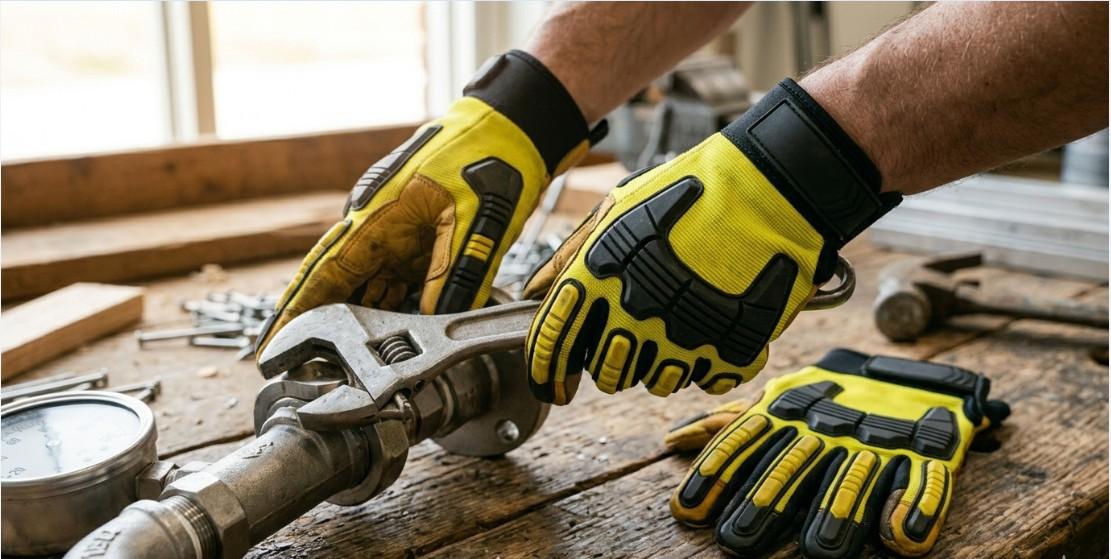
Hands are essential tools in almost every profession, yet they are also the most exposed to workplace hazards. Whether handling machinery, chemicals, or sharp tools, workers face daily risks that can lead to serious injuries.
Statistics highlight the severity of the issue. Globally, millions of workplace injuries occur each year, with hand injuries being one of the most frequent. In some industries, over 100,000 hand injuries are reported annually.
These injuries not only affect workers physically but also lead to downtime, reduced productivity, and increased operational costs.
Hand protection serves as a barrier between workers and workplace hazards, significantly reducing injury risks.
Hand injuries include:
Wearing proper safety gloves can significantly reduce these risks and prevent long-term damage.
When workers are protected, they can perform tasks more efficiently. Fewer injuries mean fewer disruptions, lower absenteeism, and improved workflow.
From mechanical injuries to chemical and thermal risks, hazardous jobs expose hands to constant danger. Appropriate hand protection acts as a critical barrier against these threats.
Mechanical risks involve physical injuries caused by tools or materials.
Workers in industrial and laboratory environments are exposed to harmful substances.
Extreme temperatures can cause severe injuries.
Healthcare and lab workers face biological risks daily.
Choosing the right hand protection ensures workers are safeguarded against specific hazards like cuts, chemicals, or heat. Proper fit and material improve comfort, performance, and overall safety compliance.
Poorly fitted gloves can:
Proper fit ensures both safety and usability.
Different materials provide different protections:
Workplace safety regulations require proper PPE usage.
Investing in quality hand protection reduces workplace injuries, lowering medical costs and downtime. It also boosts worker confidence and productivity while ensuring compliance with safety standards.
Preventing injuries helps avoid:
Safe employees are more confident, productive, and satisfied in their roles.
A focus on PPE promotes awareness and accountability across the organization.
Check for:
Educating workers on PPE usage significantly reduces workplace risks.
Hand protection is essential in hazardous jobs, reducing risks of cuts, burns, and chemical exposure. It improves worker safety, ensures compliance, and enhances productivity across industries.
Hand protection prevents injuries such as cuts, burns, and chemical exposure, making it essential for workplace safety.
Common injuries include cuts, abrasions, burns, punctures, and crush injuries.
Safety gloves can reduce workplace hand injuries significantly—by up to 60% when used correctly.
It depends on the hazard:
Reasons include discomfort, poor fit, and lack of awareness or training.
Hand protection is a fundamental aspect of workplace safety that cannot be ignored. With hand injuries being one of the most common workplace incidents, investing in proper protective gear is essential for both employee well-being and business success.
By understanding risks, choosing the right gloves, and implementing safety best practices, organizations can create safer and more productive work environments. Prioritizing hand protection leads to fewer injuries, reduced costs, and improved operational efficiency.
For companies aiming to enhance workplace safety with dependable protective equipment, trusted providers like Jefflax Trading LLC offer high quality PPE solutions designed to meet industry standards while ensuring maximum protection for workers.
Discover expert guides on workplace safety, protective equipment, and industrial best practices to help you create a safer working environment in the UAE.

March 12, 2025

March 25, 2025

April 2, 2025

April 14, 2025

April 22, 2025


