- HEAD PROTECTION
- EYE & FACE PROTECTION
- HEARING PROTECTION
- PROTECTIVE CLOTHING
- DISPOSABLE PPE
- ROAD SAFETY GEAR
- HAND PROTECTION
- FALL PROTECTION
- FOOT PROTECTION
- FIRE SAFETY GEAR
- RESPIRATORY PROTECTION
- SCBA
- GAS DETECTORS

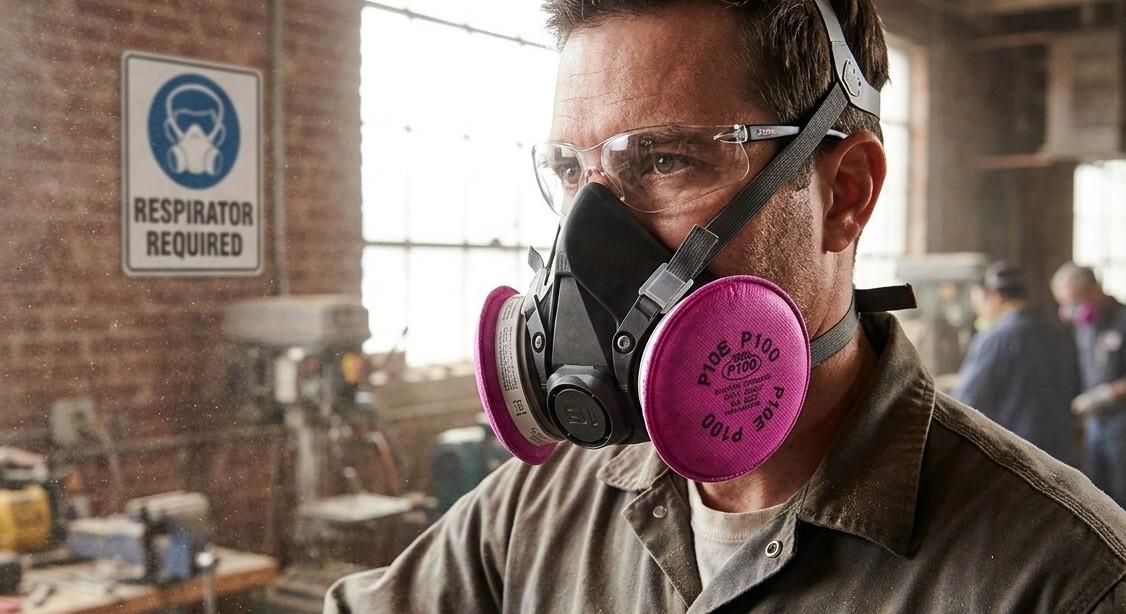
Respirators play a vital role in protecting workers from airborne hazards such as dust, fumes, gases, and chemical vapors. Choosing the right respirator is not just about compliance, it is about safeguarding long-term health and ensuring safe working conditions.
High- end Brands like 3M offers a wide range of high-performance respiratory protection solutions designed for different industries, hazards, and job requirements. From simple dust protection to advanced chemical filtration systems, selecting the correct respirator ensures maximum safety and comfort on the job.
Different industries expose workers to different airborne risks. Identifying the correct hazard type is the first step in selecting the right respirator.
Common in construction, woodworking, grinding, and demolition work. These fine particles can cause long-term lung damage if inhaled repeatedly.
For basic protection, options like the 3M 8210 N95 Particulate Respirator are widely used for non-oil dust environments. For welding or metalwork, respirators such as the 3M 8233 Welding Respirator provide additional relief from fumes.
Industries like painting, chemical handling, and welding involve exposure to hazardous vapors and gases. These require higher-grade filtration systems.
A common solution is a reusable half face respirator such as the 3M 6502QL Half Facepiece Respirator, combined with multi-gas and vapor filters like 3M 60926 cartridges, which offer protection against multiple airborne contaminants.
Selecting a respirator is not a one-size-fits-all decision. Several critical factors must be evaluated before choosing the right protection.
Understanding what is present in the air is essential. Whether it is dust, chemical vapors, or mixed exposure determines the type of respirator required.
Workplace safety begins with measuring exposure levels against safety limits such as OSHA permissible exposure limits. If exposure exceeds safe levels and cannot be controlled through ventilation, respiratory protection becomes mandatory.
Respirators come with protection ratings that indicate how much they reduce exposure. For example, if exposure levels are significantly higher than safe limits, a higher APF respirator is required for adequate protection.
A proper seal is critical. Even the best respirator will fail if it does not fit correctly. Consider:
Disposable masks work for short tasks, while reusable respirators are better for long-term industrial use.
3M offers multiple respirator categories designed for different workplace needs.
These are lightweight and designed for short-term tasks such as cleaning, sanding, or light construction work. They are cost-effective but must be replaced regularly.
Reusable respirators provide better durability and allow filter replacement based on hazard type. They are commonly used in painting, manufacturing, and industrial maintenance.
Key benefits include:
Full face respirators provide complete protection for both breathing and eyes. They are essential in high-risk environments such as chemical plants or hazardous material handling.
Filters determine what type of contaminants a respirator can protect against. Choosing the wrong filter reduces effectiveness.
Used in dusty environments such as construction or woodworking.
Designed for chemical exposure, paint fumes, and industrial gases.
Ensure filters stay securely attached during demanding work conditions, maintaining consistent protection.
Reusable respirators require regular care to maintain performance.
Best practices include:
Many users make critical errors such as:
Start by understanding what type of airborne risk is present in your work environment, such as dust, chemical vapors, gases, or a combination of hazards. This step is essential for selecting the correct level of protection.
Once the hazard is identified, choose a respirator designed specifically for that exposure type. Different jobs require different protection levels, from simple dust masks to advanced gas and vapor respirators.
Think about how long the respirator will be worn during the workday. Longer tasks require more comfortable and reusable respirators, while short tasks may be suitable for disposable options.
Always make sure the selected respirator meets workplace safety standards and regulatory requirements to ensure proper protection and legal compliance.
Some widely used models include:
Respirator filters are rated based on efficiency:
Higher numbers (95, 99, 100) indicate higher filtration efficiency.
Different chemicals require specific protection:
Always match the cartridge with the exact hazard type for effective safety.
3M respirators offer advanced protection against dust, fumes, gases, and chemical vapors in various industries. This guide explains how to choose the right respirator based on hazard type, exposure level, comfort, and safety standards to ensure effective workplace protection and compliance with best respiratory protection.
The best option for dust protection is typically a 3M N95 disposable respirator, designed to filter non-oil-based particles effectively.
You need to identify the type of hazard such as dust, vapors, or gases, then match it with the correct respirator and filter type.
Disposable respirators are meant for limited use, while reusable half and full-face respirators can be used multiple times with proper care.
N95 filters block at least 95% of airborne particles, mainly for dust and light exposure. P100 filters provide higher protection, filtering 99.97% of particles including oil-based hazards.
Selecting the right respirator is essential for protecting workers from harmful airborne hazards and ensuring safe, productive work environments. From disposable N95 masks to advanced full-face respirators, each option serves a specific purpose based on exposure level and job requirements.
Proper selection, fit, and maintenance are key to maximizing protection and comfort in any industrial setting.
Selecting the right 3M respirator is essential for protecting workers from harmful airborne hazards such as dust, fumes, gases, and chemical vapors. At Jefflax Trading LLC we understand the importance of reliable respiratory protection in maintaining workplace safety and compliance across industries.
For trusted 3M respirators and expert industrial safety solutions, connect with Jefflax to equip your workforce with reliable protection and ensure safer working environments

March 12, 2025

March 25, 2025

April 2, 2025

April 14, 2025

April 22, 2025


