- HEAD PROTECTION
- EYE & FACE PROTECTION
- HEARING PROTECTION
- PROTECTIVE CLOTHING
- DISPOSABLE PPE
- ROAD SAFETY GEAR
- HAND PROTECTION
- FALL PROTECTION
- FOOT PROTECTION
- FIRE SAFETY GEAR
- RESPIRATORY PROTECTION
- SCBA
- GAS DETECTORS

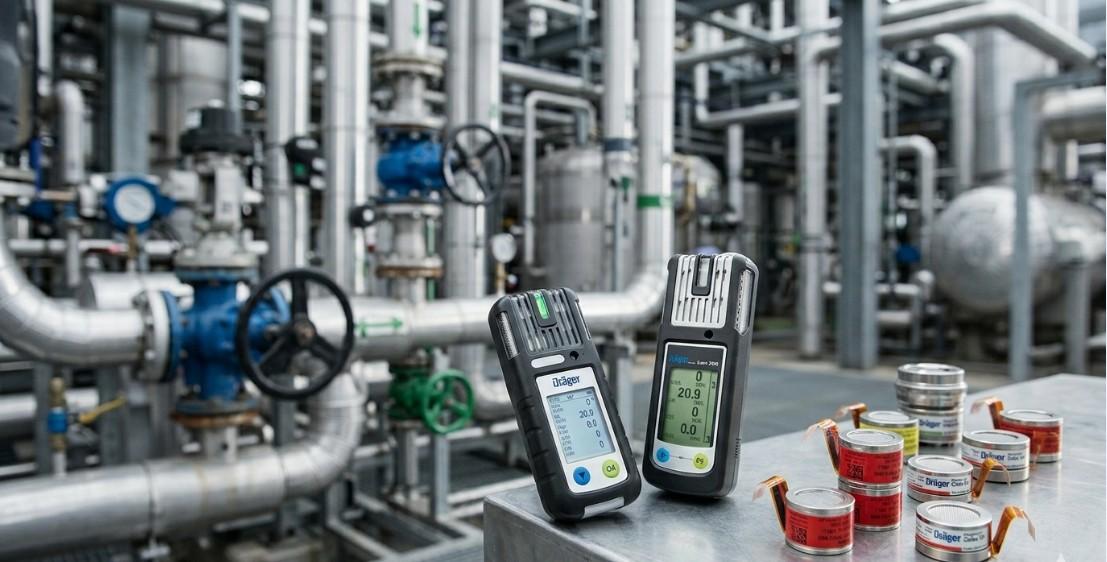
In industries where confined spaces, hazardous atmospheres, and combustible gases are risks, reliable monitoring is nonnegotiable. Among the global leaders in industrial safety, Dräger Portable Gas Detection systems stand out for precision, durability, and real‑world performance. From construction sites to oil and gas plants across the UAE, these solutions are engineered to help professionals identify threats early and act decisively.
This comprehensive guide explores tube‑based detection, modern sensor technology, and the suite of portable devices and accessories that make gas safety practical for every worksite.
Before diving into products, it is crucial to grasp the nature of the risks involved. Flammable gases can ignite, toxic gases can cause irreversible health effects, and oxygen deficiency or enrichment can compromise life support and explosion risk.
Effective detection answers three essential questions consistently:
Different contexts demand different tools. Confined space entry, maintenance tasks, and routine area monitoring each benefit from tailored detection strategies.
Gas detection tubes are glass tubes filled with chemical reagents that change color when exposed to specific gases. They provide immediate, on‑the‑spot readings without batteries or complex electronics.
In field work across the UAE where simplicity and speed are priorities, tubes remain indispensable for initial hazard screening and short‑term checks.
To use a detection tube, a calibrated hand pump draws a known volume of air through the tube. As air passes through, reactive chemicals inside the tube interact with target gases producing a colored stain.
The length of this stain correlates with gas concentration. Trained personnel can interpret results in seconds, making tubes ideal for preliminary surveys, leak checks, and compliance spot checks.
Gas detection tubes excel in:
However, they are single‑use, require careful handling, and are not suited for continuous monitoring. Understanding these trade‑offs ensures the right tool is selected for the task at hand.
Contemporary portable monitors rely on sophisticated sensing technologies to detect a wide range of gases. Key sensor types include:
Each sensor type has strengths matched to application needs. For example, electrochemical sensors deliver high specificity for toxic gas detection, while NDIR excels in environments with high humidity.
Dräger sensors are engineered with industrial robustness and accuracy in mind. Field technicians often praise them for fast response times, low drift, and resistance to environmental extremes encountered on job sites in the Middle East.
Many Dräger sensor assemblies are modular, allowing service technicians to replace only the sensing element rather than the entire detector, lowering long‑term maintenance costs.
Portable gas detection devices come in different configurations:
In complex work environments like oil, gas, and petrochemical plants in the UAE, multi‑gas monitors are often standard issue due to their ability to provide holistic safety data in one device.
When choosing portable gas detectors for professional use, consider:
Leading models from Dräger include user‑configurable alarms, rugged housings certified for hazardous locations, and intuitive interfaces that reduce training time.
Operators report that clear audio and visual alarms make it easier to detect hazards in noisy environments. Units designed for easy bump testing and calibration help facilities maintain compliance with safety standards without disrupting workflows.
The effectiveness of a gas detection program extends beyond the detector itself. Dräger equipment encompasses:
Calibration ensures measurement accuracy over time. In high‑demand sectors common in the UAE, routine calibration and maintenance are essential for both safety and regulatory compliance.
Well‑designed tools require equally strong support systems. Dräger provides training programs that help safety managers and technicians understand sensor limitations, interpret readings correctly, and integrate detectors into broader safety management systems.
Selecting the best gas detection setup involves matching tools to risks and operational realities. Use this checklist when evaluating solutions:
Answering these points will help safety leaders invest wisely and ensure dependable protection for their workforce.
This guide explores Dräger Portable Gas Detection in detail, covering gas detection tubes, Dräger sensors, portable gas detectors, and equipment. It highlights real-world applications, safety tips, and practical insights for industries across the UAE.
Gas detector tubes provide instantaneous single‑use measurements using chemical reactions, while electronic sensors monitor continuously with reusable hardware.
Portable gas detectors generally require calibration every 90 days, but frequency may increase with heavy use or regulatory requirements.
Yes, Dräger models are engineered to operate within broad temperature ranges common in hot climates, though specific model limits should be checked.
Many portable monitors include data logging and software integration that supports compliance reporting and safety audits.
Choosing the right Dräger Portable Gas Detection solutions is crucial for ensuring workplace safety, protecting personnel, and maintaining regulatory compliance. Accurate monitoring of toxic, combustible, and oxygen-related hazards helps prevent accidents and supports uninterrupted operations. With proper selection, calibration, and training, businesses can confidently manage gas risks in challenging environments across the UAE.
For reliable, high-performance Dräger systems and expert guidance, trust Jefflax, your dependable supplier of advanced gas detection solutions designed to keep your operations safe, compliant, and future-ready.
Contact trusted gas detection solutions today to equip your workforce with reliable, high-performance Dräger systems and safeguard your operations effectively.

March 12, 2025

March 25, 2025

April 2, 2025

April 14, 2025

April 22, 2025


