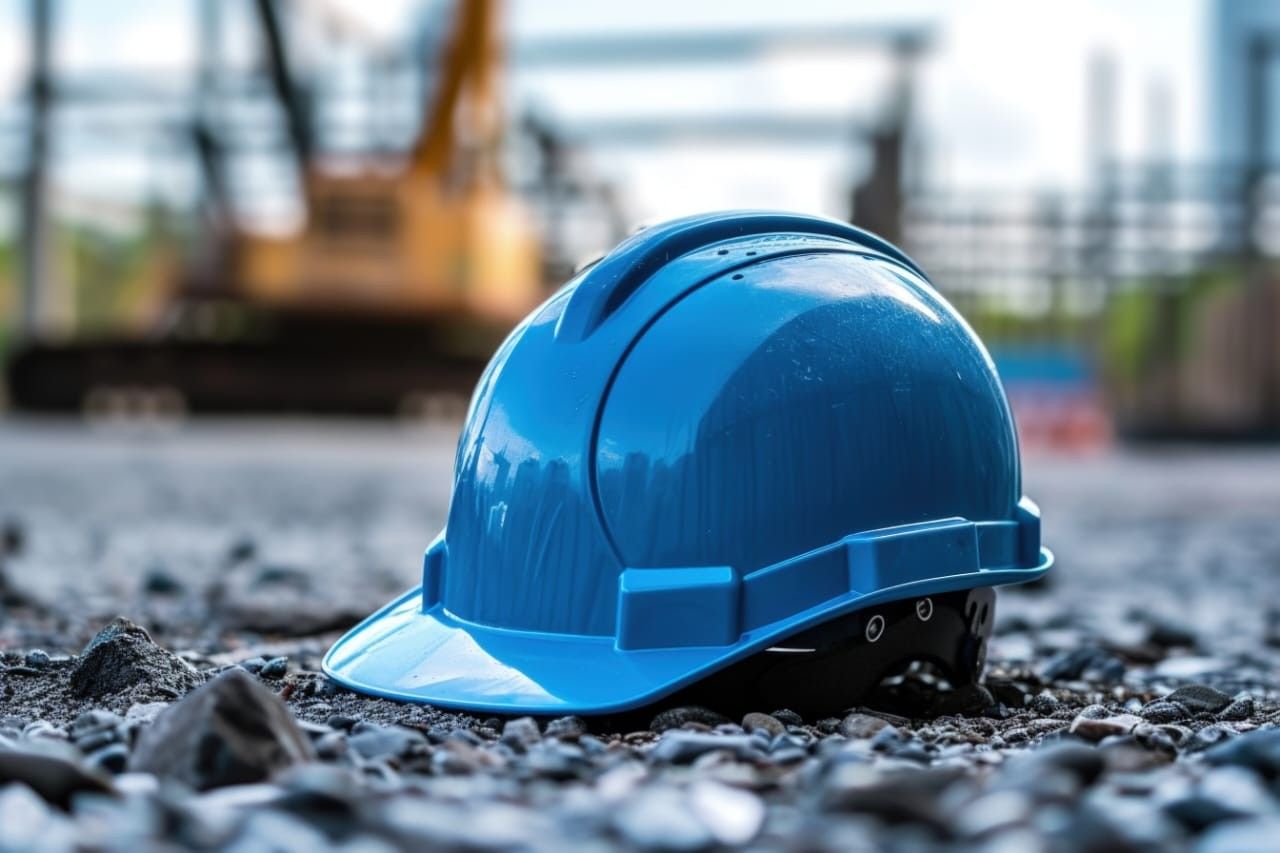
• HEAD PROTECTION
  • EYE & FACE PROTECTION
  • HEARING PROTECTION
  • PROTECTIVE CLOTHING
  • DISPOSABLE PPE
  • ROAD SAFETY GEAR
  • HAND PROTECTION
  • FALL PROTECTION
  • FOOT PROTECTION
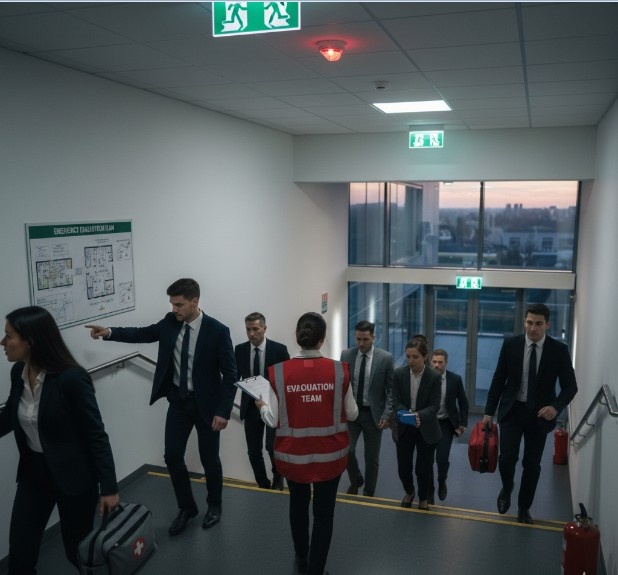
  • FIRE SAFETY GEAR
  • RESPIRATORY PROTECTION
  • SCBA
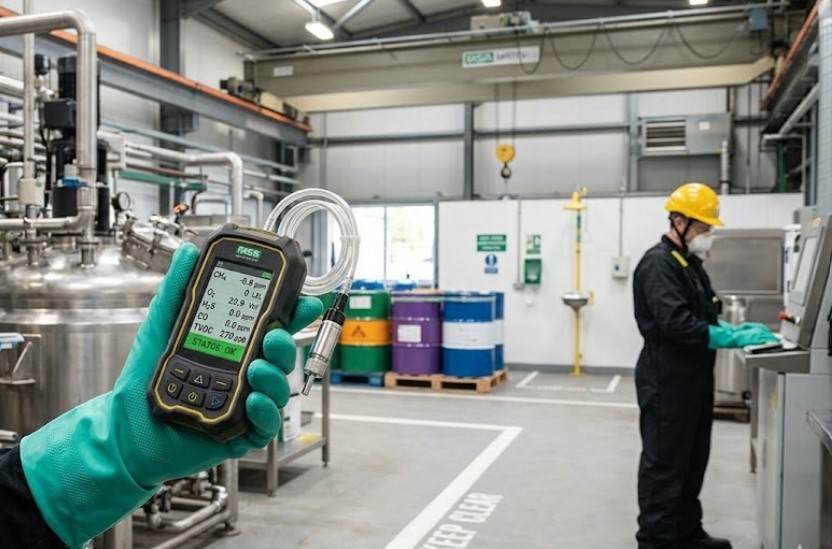
  • GAS DETECTORS

Top Reasons to Choose Venus Respirators for Industrial Safety

venus-respirators-for-industrial-safety

In today’s industrial environments, worker safety is a critical priority. From construction sites and manufacturing plants to chemical and oil & gas facilities, employees face exposure to dust, fumes, chemicals, and other airborne hazards.

Selecting the right respiratory protective equipment (RPE) is essential for preventing health risks, ensuring compliance with safety regulations, and maintaining workforce productivity.

Among the leading choices for industrial safety, Venus respirators stand out for their high-quality construction, ergonomic design, and superior protection. Trusted by industries in the UAE and worldwide, these respirators are engineered to meet the challenges of modern workplaces.

Rising Demand for Respiratory Protection in UAE Industries

The UAE’s industrial growth has significantly increased the need for effective RPE. Sectors like construction, oil & gas, manufacturing, and chemicals are especially prone to airborne hazards such as dust, fumes, and toxic gases. Consequently, companies are adopting certified respirators to protect employees and comply with local safety regulations.

Products like the Venus Industrial Respirator offer reliable protection while ensuring that workplaces adhere to both international and UAE-specific safety standards, making them a popular choice among safety managers and industrial organizations.

Certified Protection for Maximum Safety

One of the main advantages of Venus respirators is their compliance with international safety certifications, guaranteeing dependable protection for workers:

  • EN 149 Certification: Ensures compliance with European filtration standards.
  • NIOSH/N95 Compliance: Many models, including the V-4200 series, meet US filtration efficiency requirements.
  • Dolomite Clogging Test (D mark): Confirms performance in multi-shift, high-dust industrial environments.

These certifications provide companies with confidence that their workforce is equipped with reliable, high-standard protection, reducing workplace hazards and liability.

Comfortable Design for Long Shifts

Industrial workers often endure long shifts in hot and dusty environments, making comfort just as important as protection. Venus respirators incorporate features to enhance comfort and usability:

  • Stay Cool Butterfly Vent Valve: Minimizes heat and facilitates breathing.
  • Latex-Free Headbands: Gentle on skin and durable for prolonged use.
  • Adjustable Straps: Allow customized fit for secure sealing and maximum protection.

By prioritizing comfort, Venus respirators encourage consistent usage and improve worker compliance, which is crucial for maintaining safety standards.

Advanced Filtration for Industrial Hazards

Venus respirators use high-efficiency filter media to capture fine dust, fumes, and hazardous particles:

  • Filters particles as small as 0.3 microns.
  • High dust-holding capacity prevents clogging and extends the lifespan of the mask.
  • NR D models (non-reusable, dolomite-tested) are ideal for dusty industrial environments.

Industries such as construction, sandblasting, metal fabrication, and chemical processing benefit from these features, ensuring employees are protected from airborne contaminants.

Versatile Models for Diverse Industrial Applications

Venus offers a wide range of respirators tailored to different industrial needs:

  • V-4200 Series (Fold-Flat): Compact, convenient, and ideal for particulate protection.
  • V-9200 Series (Cup-Shaped): Rigid and durable for demanding industrial tasks.
  • Venus Full Face Respirator: Provides chemical, gas, and vapor protection in high-risk environments.
  • VENUS REUSABLE HALF FACE RESPIRATOR MASK: Perfect for reusable multi-shift applications where durability and comfort are needed.

This diversity allows organizations to select the right respirator for each specific task, ensuring optimal protection and compliance across various industrial settings.

Durability and Skin-Friendly Features

Venus respirators are built for long-term use without compromising comfort:

  • Embedded Nose Clips: Reduce skin irritation and improve sealing.
  • Braided Textile Elastics: Maintain shape under heat and repeated use.
  • Flame-Retardant Outer Shells: Provide added safety in welding and high-temperature environments.
  • Venus Safety Mask: Variants offer lightweight and flexible protection without sacrificing comfort.

These features make Venus respirators reliable in even the harshest industrial conditions.

Compliance with UAE Safety Regulations

For companies operating in the UAE, regulatory compliance is essential. Venus respirators help organizations:

  • Meet local and international workplace safety standards.
  • Demonstrate proper PPE usage to inspectors and auditors.
  • Minimize risk and liability while maintaining a safe workforce.

Using Venus Industrial Respirator products ensures companies are aligned with UAE safety regulations and industry best practices.

Cost Efficiency and Enhanced Productivity

Venus respirators are not only protective but also cost-effective:

  • Disposable models reduce cleaning and maintenance costs.
  • Fold-flat designs save storage space and simplify inventory management.
  • High durability and anti-clogging filters extend lifespan, maximizing ROI.
  • Comfortable design reduces worker fatigue, improving focus and efficiency.

By investing in Venus respirators, companies gain both safety and operational benefits.

Fit, Seal, and Worker Compliance

Proper fit is crucial for effective respiratory protection. Venus respirators feature:

  • Adjustable straps for a secure and tight seal.
  • Transparent valve covers for easy inspection and validation.
  • Internal nose liners to prevent leaks and fogging, even with eyewear.

These design considerations ensure proper usage, enhancing workplace safety and reducing the risk of exposure.

How to Choose the Right Venus Respirator for Your Workplace

When selecting a respirator, consider the following factors:

  • Type of hazard: Dust, fumes, chemicals, or gases.
  • Work environment: Temperature, humidity, and shift duration.
  • Regulatory compliance: Ensure the respirator meets UAE and international standards.
  • Comfort and fit: Essential for consistent use.

By matching the respirator to the specific workplace conditions, companies can ensure maximum protection and efficiency.

AI Overview

Discover why Venus respirators are the top choice for industrial safety in the UAE, offering certified protection, ergonomic comfort, durability, and a wide range of high-quality options.

FAQs

What are two types of respirators commonly used in industrial settings?

Air-purifying respirators (APR) and supplied-air respirators (SAR) are commonly used in industrial workplaces.

Which type of respirator provides the highest OSHA protection factor?

Full-facepiece supplied-air respirators (SAR) offer the highest OSHA protection factor.

Who is the owner of Venus Safety and Health Pvt Ltd?

Venus Safety and Health Pvt Ltd is owned by the Venus Group, a leading PPE manufacturer in India.

What mask is used in the chemical industry?

Chemical cartridge respirators or full-face chemical masks are commonly used to protect against toxic gases and vapors.

Conclusion 

Venus respirators provide a combination of high-level protection, comfort, durability, and compliance for industrial workplaces. From construction and manufacturing to chemical industries, their ergonomic design and certified filtration make them a trusted choice in UAE.

For companies seeking high-quality respiratory protection, Jefflax is the renowned supplier of Venus products in UAE. Choose Venus respirators for industrial safety due to their wide range of options, focus on comfort, and superior efficiency. Protect your workforce and improve productivity with Venus — available now at Jefflax.

Explore More Expert Insights

Discover expert guides on workplace safety, protective equipment, and industrial best practices to help you create a safer working environment in the UAE.

Best Head Protection Brands for Industrial Safety: Top 10 Picks

top-10-head-protection-brands-for-industrial-safety

Head protection is a cornerstone of workplace safety across construction sites, factories, oil and gas industries, and manufacturing units. Using high-quality helmets from trusted brands can prevent serious injuries, protect workers, and ensure compliance with international safety standards.

In this article, we explore the top 10 companies producing head protection equipment that set the benchmark in industrial safety, providing both reliability and innovation.

Bullard

Bullard is a globally recognized brand known for its top-quality safety helmets and industrial head protection solutions. Bullard helmets are durable, comfortable, and designed to meet international standards for impact resistance and electrical insulation. Many construction and industrial companies rely on Bullard for dependable protection in hazardous environments.

Why Bullard: Trusted brand, innovative designs, OSHA-compliant, highly durable.

MSA (Mine Safety Appliances)

MSA has been a leader in industrial safety equipment for decades. Their hard hats are designed for extreme conditions, providing superior impact protection, comfort, and durability. MSA helmets are considered some of the best hard hats and construction safety helmets for industrial and construction work.

Why MSA: Top-rated, certified for industrial use, trusted worldwide.

Centurion

Centurion helmets are engineered for modern workplace safety. Known for their lightweight construction and excellent shock absorption, these helmets are ideal for industries where workers need maximum mobility without compromising protection. Centurion is a trusted choice for construction, mining, and heavy industry.

Why Centurion: Best-in-class comfort, durable, highly protective.

Viking

Viking provides high-performance industrial helmets suitable for a variety of sectors including construction, oil and gas, and utilities. Their helmets meet rigorous standards for impact resistance and electrical protection. Viking helmets combine safety, comfort, and style, making them a top choice for industrial professionals.

Why Viking: Top-quality, ergonomic, OSHA-compliant.

Cofra

Cofra is well-known in the PPE market for delivering premium head protection solutions. Their helmets are designed to withstand extreme industrial conditions while offering excellent comfort and adjustability. Cofra’s attention to safety compliance makes it a top-rated head protection brand.

Why Cofra: Trusted, reliable, compliant with PPE standards.

Howard Leight

Howard Leight specializes in hearing and head protection solutions. While globally recognized for hearing safety, their hard hats and helmets also provide excellent protection in construction and industrial environments. Howard Leight combines durability with ergonomics, ensuring worker safety and comfort.

Why Howard Leight: Best for industrial safety, trusted, ergonomic design.

Honeywell

Honeywell is a household name in safety equipment. Their helmets are used worldwide for industrial head protection, offering advanced materials and impact absorption technology. Honeywell provides certified, top-quality PPE solutions for various industrial applications.

Why Honeywell: Top-rated, durable, globally trusted.

Portwest

Portwest helmets are widely used in construction and industrial sectors. Known for their lightweight yet strong design, they offer excellent protection and comfort. Portwest provides cost-effective solutions without compromising on safety standards.

Why Portwest: Trusted, reliable, ergonomic, affordable.

Bullarddozer

Bullarddozer helmets are designed for heavy-duty environments such as construction and mining. They provide maximum impact protection, comfort, and long-lasting durability. These helmets meet OSHA and other international safety standards.

Why Bullarddozer: Best for extreme conditions, durable, top-quality.

3M

3M is an industry leader in industrial PPE, including head protection. Their hard hats and helmets are recognized for superior impact resistance, comfort, and compliance with OSHA standards. 3M is considered a trusted brand for industrial head safety worldwide.

Why 3M: Top-rated, certified, trusted worldwide, innovative.

AI Overview

Explore the top 10 head protection brands for industrial safety, featuring trusted and certified helmets, and learn the latest trends in construction head protection.

FAQs

What is the best safety helmet for construction?

The best safety helmet for construction is OSHA-compliant, durable, and comfortable. Brands like Bullard, MSA, and Centurion are top choices.

Which helmet brand is best for safety?

MSA, Bullard, 3M, and Honeywell are among the best helmet brands trusted worldwide for industrial safety.

Which PPE is used for head protection?

Hard hats and helmets are the primary PPE used for head protection in construction, manufacturing, and industrial environments.

What is the OSHA standard for head protection?

OSHA standard 29 CFR 1910.135 requires employers to provide head protection meeting ANSI/ISEA Z89.1 standards for impact and electrical hazards.

Conclusion

Choosing the best head protection brands is essential for worker safety in construction and industrial settings. Brands like Bullard, MSA, Centurion, Viking, Cofra, Howard Leight, Honeywell, Portwest, Bullarddozer, and 3M offer reliable, certified, and durable helmets designed to protect against impacts, electrical hazards, and workplace accidents.

Investing in top-quality PPE ensures compliance, reduces injury risk, and promotes a safer working environment. By staying informed about top head protection trends for construction safety, you can make the right choice when upgrading your PPE.

Whether setting up a new industrial site or enhancing existing safety measures, relying on these top 10 companies producing head protection equipment guarantees maximum protection. Buy the best head protection equipment online in Dubai today to equip your workforce with certified, high-quality helmets.

Explore More Expert Insights

Discover expert guides on workplace safety, protective equipment, and industrial best practices to help you create a safer working environment in the UAE.

Slip-Resistant Boots vs. Oil-Resistant Work Boots: A Comparison Guide

slip-resistant-boots-vs-oil-resistant-boots

In industries where workers spend long hours on slippery or oily floors, choosing the right work boots is more than just a matter of comfort, it is a critical safety decision. The wrong footwear can lead to serious workplace accidents such as slips, trips, and chemical burns.

That’s why understanding the difference between slip-resistant boots and oil-resistant work boots is essential for every worker, supervisor, and procurement team.

In this detailed guide, we will help you identify the right choice for your work conditions. From durable and chemical resistant footwear to job-specific performance, you will learn everything needed to stay protected and productive on the job.

What Are Slip-Resistant Work Boots?

Slip-resistant work boots are designed to reduce the risk of slipping on wet and smooth surfaces. Their special outsole patterns, channels, and micro-grooves help disperse liquids and increase traction, making them ideal anti-slip work boots for busy workplaces.

Key Features:

  • Outsoles made from strong rubber or advanced non-slip materials
  • Tread patterns designed for maximum grip on slippery floors
  • Tested for reliable performance in harsh environments

Best For:

  • Restaurants and commercial kitchens
  • Hospitals and healthcare facilities
  • Warehouses and logistics centers
  • Cleaning and maintenance teams
  • Food processing industries

Workers who choose non-slip shoes for work can move confidently even when surfaces are wet with detergents or water spills.

What Are Oil-Resistant Work Boots?

Oil-resistant work boots are designed to withstand exposure to fuel, grease, and industrial chemicals while maintaining strong traction. These industrial safety boots protect both the wearer and the boot sole from deterioration.

Key Features:

  • Oil-resistant rubber or polyurethane soles
  • Resistant to grease, lubricants, and harsh chemicals
  • Built for long-lasting durability in industrial environments

Best For:

  • Oil & gas fields
  • Mechanics and automotive workshops
  • Manufacturing & refinery plants
  • Marine and offshore platforms
  • Heavy construction sites

Oil-resistant boots are especially important for workers handling machinery, tools, and vehicles, where surface oils can cause dangerous slips.

Major Difference: Grip Design & Application

FeatureSlip-Resistant BootsOil-Resistant Work Boots
Primary ProtectionWet & slippery floorsOil, grease & chemicals
Sole MaterialTextured rubber outsoleOil-resistant rubber or PU
Work IndustryKitchens, hospitalsOil & gas, mechanical, industrial
DurabilityStandard for wet floorsHigh durability in chemical environments
Chemical ProtectionLimitedStrong

Workers in mixed environments such as work boots for mechanics and factory teams should select boots that include both slip and oil resistance.

Additional Safety Features to Consider

  • Steel toe or composite toe for impact protection
  • Waterproof work boots for outdoor or rainy work areas
  • Heat-resistant outsoles for welders and furnaces
  • Puncture-resistant midsoles for construction
  • Breathable upper material for all-day comfort
  • Electrical hazard protection

Choosing stress-free, durable footwear improves workplace safety and overall productivity.

Before Buying Checklist

Before purchasing industrial safety boots online, always check:

  • Certification labels (SRA, SRB, or SRC slip testing)
  • Correct sizing including toe space and heel support
  • Lightweight comfort for long shifts
  • Shock absorption technology
  • ISO, EN ISO 20345, or ASTM compliance

This ensures you are buying footwear ready for high-performance work environments.

Benefits of Choosing the Right Boot

Workplace ConditionBest Boot Type
Wet floors (water/soap)Slip-Resistant Boots
Oil and chemical spillsOil-Resistant Boots
Mix of water and oil hazardsSlip + Oil Resistant Boots

Selecting the right safety boots improves protection and long-term comfort.

Final Recommendation

If your work involves only wet surfaces → Choose Slip-Resistant Boots
If you deal with oils and chemicals → Choose Oil-Resistant Work Boots
If your environment has both → Hybrid Slip and Oil Resistant Boots

Investing in the right footwear keeps you safe and confident with every step.

AI Overview

Learn the key differences between slip-resistant and oil-resistant work boots to stay protected on wet, oily, and hazardous floors with the right industrial safety footwear.

FAQs

Can slip-resistant boots protect against oils?

Some may perform mildly on oily floors, but oil-resistant footwear provides better durability and traction in chemical-heavy environments.

Do oil-resistant boots prevent slipping?

Yes, especially if they include high slip-rating soles.

Which boots are best for kitchen workers?

Slip-resistant kitchen work shoes that are waterproof and easy to clean.

Should I choose steel toe or composite toe boots?

Steel toe for high impact; composite toe for lightweight comfort.

How long do safety boots last?

Typically 6–12 months depending on usage and hazards.

Conclusion

Whether you work in hospitality, oil & gas, automotive workshops, or construction, choosing the right safety boots for slippery floors or oily workspaces ensures better protection and longer-lasting performance. Slip-resistant boots and oil-resistant boots are an essential part of workplace safety.

Looking for certified safety items in Dubai that deliver performance, durability, and complete workplace protection? Jefflax offers a wide range of industrial safety footwear, including slip-resistant and oil-resistant boots designed for UAE jobsite conditions.

Contact Jefflax Trading LLC today to equip your team with trusted, compliant, and long-lasting safety boots!

Exolore More Expert Insights

Discover expert guides on workplace safety, protective equipment, and industrial best practices to help you create a safer working environment in the UAE.

Top 10 Practical Construction Safety Tips in UAE for Every Worker

top-10-construction-safety-tips-uae

The UAE’s construction industry is booming, with new projects shaping the skylines of Dubai, Abu Dhabi, and Sharjah every day. Thousands of workers are involved in building these modern landmarks, but construction remains one of the most hazardous professions.

Accidents can happen at any time if safety practices are not followed carefully. Every worker, supervisor, and site manager must take safety seriously. Following the right procedures not only prevents injuries but also ensures compliance with UAE labor laws and improves productivity.

Here are the top 10 practical safety tips every construction worker in the UAE should know.

1. Always Wear the Right Personal Protective Equipment (PPE)

Personal Protective Equipment, or PPE, is your first line of defense. It includes helmets, gloves, boots, and reflective vests. Head protection is essential for preventing injuries from falling tools or materials, while sturdy gloves and boots protect against cuts, burns, and heavy impacts.

Always inspect your PPE before each shift. Replace worn-out gear immediately, and make sure it fits properly. The right protection can make the difference between a close call and a serious injury.

2. Get Proper Training and Refresh Regularly

Every construction worker must receive proper training before operating equipment or starting any task. Training ensures that workers know how to use machinery safely, identify potential hazards, and respond in emergencies.

Understanding how to use tools like a gas detector is equally important. A gas detector helps identify leaks or harmful gases, giving workers time to act before danger strikes. Continuous learning and refresher courses keep everyone aware of the latest safety standards.

3. Take Extra Care When Working at Heights

Working at heights is one of the leading causes of construction injuries worldwide. Always use fall protection systems such as safety harnesses, lanyards, and secure anchor points. Scaffolding should be inspected daily by qualified personnel to ensure stability.

Avoid rushing or cutting corners when working above ground. Always double-check your safety gear and surroundings. A few extra minutes of preparation can save your life.

4. Protect Yourself from Heat and Dehydration

The UAE’s extreme heat can pose serious health risks for construction workers. Prolonged exposure to the sun can lead to heat exhaustion or heatstroke. Drink plenty of water throughout the day, take regular breaks in shaded areas, and wear lightweight, breathable clothing.

Supervisors should schedule heavy work during cooler hours and ensure that all workers have access to hydration stations. Looking after your health is just as important as completing the job on time.

5. Follow Electrical and Fire Safety Procedures

Electricity powers every construction site, but it can also cause severe injuries if mishandled. Only trained electricians should work on live wires or power panels. Always turn off power sources before performing any repairs, and keep electrical tools dry and properly grounded.

Every site must also have fire protection equipment such as fire extinguishers, alarms, and clear emergency exits. Workers should know where this equipment is located and how to use it correctly. Fire drills should be held regularly to prepare everyone for emergencies.

6. Use Machinery and Tools Safely

Heavy machinery like cranes, forklifts, and excavators must be operated only by certified personnel. Always check the condition of equipment before use and ensure it’s maintained according to manufacturer recommendations.

For specific tasks such as welding, follow proper safety procedures and wear protective gear. Eye protection is crucial when welding to prevent sparks and bright light from damaging your eyes. Never use defective tools or bypass safety systems—precision and care keep everyone safe.

7. Keep the Construction Site Clean and Organized

A cluttered work area is one of the biggest causes of minor injuries and major accidents. Slips, trips, and falls often occur because of scattered materials or poor housekeeping.

Keep pathways clear, store tools properly after use, and remove waste regularly. Mark hazardous zones clearly and make sure warning signs are visible. A clean site is not only safer but also more efficient and professional.

8. Know Emergency Procedures and First Aid Locations

Accidents can happen anytime, so every worker must know what to do in an emergency. Learn where first aid kits, fire extinguishers, and the Eye Wash Station are located. Quick access to an eye wash station can prevent permanent damage in case of chemical exposure or debris entering the eyes.

Familiarize yourself with evacuation routes and participate in regular emergency drills. Being prepared reduces panic and ensures everyone reacts calmly when incidents occur.

9. Follow UAE Labor Laws and Company Policies

The UAE government enforces strict health and safety regulations for all workplaces, especially construction sites. Employers must provide safe environments, proper training, and adequate equipment. Workers, in turn, must follow safety rules and report hazards immediately.

Compliance with these regulations protects both the company and its workers. Ignoring them can lead to heavy fines, site closures, or serious injuries. Safety is not optional—it’s the law.

10. Communicate and Report Hazards Immediately

Clear communication is essential for maintaining safety. Construction sites in the UAE are multicultural, and language barriers can sometimes cause misunderstandings. Always confirm that everyone understands instructions clearly.

If you notice a potential hazard, malfunctioning equipment, or unsafe behavior, report it right away. Supervisors and safety officers rely on timely feedback to fix problems before they escalate. Safety is everyone’s job, from workers to management.

Why Safety Should Always Come First

Construction safety isn’t just about wearing gear or following rules—it’s about creating a culture that values every worker’s life. A strong safety culture leads to fewer accidents, higher morale, and better project outcomes.

When workers feel protected, they perform better and stay more loyal to their employers. Safety is the foundation for success in every construction project, big or small.

Everyday Safety Habits to Practice

  1. Inspect your PPE before starting work.
  2. Stay hydrated and rest when needed.
  3. Keep your work area clean and organized.
  4. Use respiratory protection when working in dusty or chemical areas.
  5. Report unsafe conditions immediately.
  6. Know where emergency exits and first aid equipment are located.

Consistent, small actions can prevent major accidents. Make safety a daily habit, not just a requirement.

FAQs

What are 10 basic safety rules?

The 10 basic safety rules include wearing PPE, staying alert, following training, maintaining cleanliness, reporting hazards, using tools properly, securing work at heights, preventing fires, staying hydrated, and knowing emergency procedures.

What are safety precautions in construction?

Safety precautions in construction involve wearing protective gear, inspecting equipment, following site regulations, using Foot Protection and hand protection, and maintaining clear communication to avoid accidents.

What is the safety tip of the day in construction?

Always check your surroundings and equipment before starting work. A few minutes of inspection can prevent major injuries and keep everyone on the site safe.

What is the biggest safety issue in construction?

Falls from height remain the biggest safety issue in construction. Using reliable Fall Protection systems and proper training can significantly reduce these risks.

Conclusion

Construction work in the UAE is challenging but rewarding. By following these ten practical safety tips, every worker can contribute to a safer, more productive environment. Always wear proper PPE, stay alert, communicate clearly, and never ignore potential hazards.

For companies and workers looking for reliable safety equipment, Jefflax Trading LLC stands out as a trusted supplier of high-quality safety products at the best prices in the UAE. From protective gear to advanced safety solutions, Jefflax ensures that every site is well-equipped to meet the highest safety standards.

Read More Safety & Protection Insights

Discover expert guides on workplace safety, protective equipment, and industrial best practices to help you create a safer working environment in the UAE.

3M Safety Products: The Global Leader in Workplace Protection

3m-leads-the-safety

When it comes to personal protective equipment (PPE) and industrial safety solutions, 3M is more than just a brand — it sets a standard recognized across industries. From healthcare to construction, automotive to manufacturing, 3M safety products have become a symbol of trust, reliability, and advanced protection.

This article explains why 3M holds a leading position in the global safety products market, how it stays ahead of competitors, and the strategies that make it the preferred choice for businesses worldwide.

1. Leadership Through Consistent R&D Investment

A major reason for 3M’s position in the market is its steady focus on research and development. The company allocates around 6% of its annual revenue to R&D, which drives new product development across its safety divisions. From multi-gas vapor cartridge filters to connected wearables, 3M leads by innovating early.

This proactive approach allows 3M to address emerging workplace hazards before they become widespread concerns.

2. A Product Range That Covers Every Industry

3M’s safety catalog is vast and practical, designed to meet the needs of multiple industries:

This extensive coverage allows companies to standardize their safety gear under one trusted manufacturer.

3. Global Reach With Local Adaptation

3M operates in more than 200 countries. Its strength lies not only in its global presence but also in how it tailors safety solutions to meet local regulatory standards and work environments.

For example, SecureFit full brim hard hats are popular in hot climates where workers need protection from both impact and sunlight. 3M aligns its products with regional needs while maintaining international certifications.

4. Proven Compliance and Brand Trust

Safety managers and procurement teams rely on 3M because of its strict adherence to standards. Each product goes through detailed testing under NIOSH, EN, ISO, and ANSI regulations.

Whether it’s anti-fog sealed goggles or respiratory equipment, users trust that 3M’s products deliver reliable performance in high-risk environments.

5. Digital Integration and Smart Protection

With the rise of Industry 4.0, workplaces need PPE that connects with digital systems for monitoring and analysis. 3M has responded by integrating technology into several product lines:

  • Bluetooth-enabled earmuffs such as PELTOR X4 for communication in noisy settings
  • Real-time monitoring sensors on fall protection gear
  • Cloud-based tracking to monitor PPE usage and improve safety compliance

These tools help companies prevent incidents through data and alerts, making protection more intelligent and proactive.

6. Rapid Response During Global Health Crises

The COVID-19 pandemic tested every major PPE supplier. 3M scaled up production quickly, coordinated with governments, and ensured hospitals and industries received critical respiratory products.

Items like the Scott Sigma 2 SCBA and Versaflo systems were vital during the crisis, strengthening 3M’s reputation for reliability when it mattered most.

7. Strong Partnerships and Distribution

3M works with governments, industries, and safety organizations to bring its products into large-scale workplace programs. Its distribution model ensures quick availability of specialized equipment like Scott ACSI SCBA systems to essential sectors.

This network helps maintain consistent product access even in high-demand situations.

8. Commitment to Environmental Goals

3M has pledged to achieve carbon neutrality by 2050. It is shifting to eco-friendly materials and manufacturing processes, along with reusable PPE systems that reduce waste. These steps align with the environmental goals of modern industries and government policies.

9. Investment in Education and Training

Beyond manufacturing, 3M runs regular training programs, webinars, and workshops to help safety professionals select and use PPE correctly. This educational support builds lasting trust with safety officers, procurement teams, and frontline workers.

10. Consistent Market Dominance Backed by Data

Industry reports rank 3M among the top PPE brands globally. It leads in respiratory, hearing, and eye protection segments, with strong product engagement across B2B platforms. This dominance reflects not just brand reputation, but proven performance and dependable supply.

Conclusion: A Standard Setter in Safety

3M’s leadership is built on steady innovation, regulatory alignment, dependable distribution, and a clear understanding of workplace needs. As industries adopt smarter and more sustainable safety systems, 3M remains a key provider of dependable solutions for every sector.

Whether it’s head protection, respiratory gear, or hearing protection, 3M continues to set benchmarks in industrial safety.

Source Genuine 3M Products from Jefflax

Protecting your workforce starts with selecting authentic, certified PPE. As an authorized 3M supplier in UAE, Jefflax offers a wide range of 3M safety products — from respiratory equipment to head protection — backed by expert guidance and reliable delivery.

Keep reading  about the best 3M safety products for industrial workplaces to equip your teams with trusted, industry-approved solutions.

Read More Safety & Protection Insights

Discover expert guides on workplace safety, protective equipment, and industrial best practices to help you create a safer working environment in the UAE.

A Guide to Choosing the Right 3M Gas & Vapour Filter

3m-gas-vapour-filter

The automotive industry, painting, welding, construction, and chemical processing industries are some of the industries that need protecting workers against harmful gases and vapors which should be done through the use of 3M gas and vapor filters which have a reputation of offering reliable respiratory protection. However, among the many alternatives, how do you choose the one to use? This guide simplifies it and makes it easy to grasp and practical to professionals in the UAE.

What Are Gas & Vapor Filters?

Gas and vapor filters When respirators are reusable, cartridges known as gas and vapor filters are fitted to them. They include activated carbon or special sorbents that trap the harmful gases, solvents, acid vapors, ammonia or mercury before the lungs. Each filter is identified by a particular code (e.g. 6001 organic vapors, 6002 acid gases) to show what hazard it is designed to protect against.

TL;DR – 5 Steps to Pick the Right 3M Filter

  1. Know the hazard → Check SDS (OV, AG, Ammonia, Mercury).
  2. Match code → 6001 = OV, 6002 = AG, 6006 = Multi-Gas, etc.
  3. Add particulate → Use P100 (609 series) or N95 prefilter.
  4. Right mask fit → Rugged Comfort QL / 7500 series.
  5. Replace on time → Follow a scheduled change-out, not smell.

What Are the Uses of Gas & vapors Filters?

These filters are widely used in:

  • Spray painting & refinishing → Protects against solvent vapors.
  • Welding & metal fabrication → Guards against acid gases and particulates.
  • Chemical handling & cleaning → Shields workers from ammonia, methylamine, and chlorine.
  • Pharmaceutical & food plants → Ensures safety during sanitation with amines or mixed chemicals.
  • Oil & gas industry → Provides broad protection against multiple hazardous vapors.

When particulates such as dust or overspray are present, filters can be combined with P100 or N95 prefilters for complete coverage.

3M Gas & vapor Filters Table


3M Part NumberCodeTypeProtection Against
6001OVOrganic vapor CartridgeCertain organic vapors
60921OV/P100Organic vapor + Particulate FilterOrganic vapors and particulates
6002AGAcid Gas CartridgeChlorine, hydrogen chloride, sulfur dioxide, chlorine dioxide, hydrogen sulfide
60922AG/P100Acid Gas + Particulate FilterSame acid gases + particulates
6003 (07047)OV/AGOrganic vapor + Acid GasOrganic vapors, chlorine, HCl, SO₂, HF
60923OV/AG/P100Organic vapor + Acid Gas + ParticulateSame hazards plus particulates
6004AM/MAAmmonia/MethylamineAmmonia and methylamine
60924AM/MA/P100Ammonia/Methylamine + ParticulateAmmonia, methylamine and particulates
6005FM/OVFormaldehyde + Organic vaporFormaldehyde and certain organic vapors
60925FM/OV/P100Formaldehyde + OV + ParticulateFormaldehyde, organic vapors, particulates
6006MGMulti-Gas/vapor CartridgeSolvents, acid gases, ammonia, formaldehyde, HF
60926MG/P100Multi-Gas/vapor + ParticulateSame hazards plus particulates
6009SHGMercury CartridgeMercury vapor, chlorine, sulfur dioxide
60929SHG/P100Mercury + Particulate CartridgeMercury vapor, chlorine, SO₂, particulates

Demand of Gas & vapor Filters in Dubai Industries

Dubai’s growing industrial sector heavily relies on respiratory protection. From construction projects and oil & gas operations to automotive refinishing and marine industries, 3M gas and vapor filters are in high demand.

  • Automotive workshops use organic vapor filters for spray paints.
  • Chemical plants depend on multi-gas filters like the 60926 for mixed exposures.
  • Marine and shipyards require acid gas and mercury filters for safe operations.

Because Dubai industries follow strict health and safety regulations, trusted brands like 3M are preferred for both reliability and compliance.

How Long Do Gas Filters Last?

Gas filters do not have a fixed lifespan; their duration depends on the type of gas, concentration levels, user breathing rate, and workplace conditions. They are filled with layers of activated or impregnated carbon made from peat, wood, coal, or coconut shells. Through high-temperature steam or chemical treatment, these carbons develop a network of pores that provide strong adsorption capacity and quick action.

Unlike particle filters, which gradually become more efficient as they load with dust, gas filters give no visible warning before failure. Once the carbon becomes saturated, the filter can no longer capture gases, and the wearer may unknowingly inhale contaminated air. For this reason, filters must be changed on a set schedule before saturation occurs. Factors like humidity, heat, and specific gas exposure can shorten service life, making regular replacement essential.

FAQs

How do you select the right shim plate?

Select based on hazard type (organic vapor, acid gas, ammonia, mercury), job duration, and work environment. Always check the SDS and match it to the correct 3M filter code.

What is the best material for shims?

There’s no single “best.” Organic vapors need OV filters like 6001, acid gases need AG filters like 6002, and mixed exposures require multi-gas options like 60926.

What is the formula for shim size?

For filters, the “size” is about coverage: use base cartridges (6000 series) for single hazards, and combo filters (609 series) when particulates are present. The formula is: Hazard + Environment = Filter Code.

How do you know what size shim you need?

You know the correct filter size by identifying your exposure level and hazard mix. For example, spray painting = 6001 + particulate; mixed plant maintenance = 60926 Multi-Gas/P100.

Conclusion

The choice of the right gas and vapor filter depends on knowing your hazard, matching it with the correct 3M filter code, and ensuring proper fit. Be it organic vapors, acid gases, ammonia, or mercury, 3M offers reliable solutions to ensure safety.

In regions such as the UAE, where industries like oil & gas, construction, and marine operate in high heat and humidity, timely replacement is even more crucial. Always source filters from reputable UAE suppliers like Jefflax Trading LLC to guarantee authenticity, performance, and compliance.

Read More Safety & Protection Insights

Discover expert guides on workplace safety, protective equipment, and industrial best practices to help you create a safer working environment in the UAE.

Leading Eye Wash Station Suppliers Across Dubai & Abu Dhabi

top-eye-wash-station

In the vibrant industrial centers of Dubai and Abu Dhabi, workplace safety is absolutely critical. As industries grow and improve, with stricter safety protocols being implemented, the need for effective and efficient eye wash stations has skyrocketed. These vital safety equipment are now more sophisticated, available, and designed to suit the varied demands of different sectors.

The Growing Requirement for Eye Wash Stations in the UAE

UAE’s rapid industrialization has led to the growing danger of exposure to toxic chemicals and substances. Consequently, offices need to have emergency eye wash stations installed to ensure immediate response to eye injury. They have a crucial role to play in offering immediate relief, preventing long-term damage, and following global safety standards.

Why Eye Wash Stations Are Essential in Industrial Workplaces

Eye injuries in industrial environments can range from minor irritations to severe chemical burns. Immediate flushing of the eyes is vital to reduce damage and prevent long-term complications. Consequently, workplaces across Dubai and Abu Dhabi are investing in high-quality eye wash stations that meet international safety standards such as ANSI Z358.1.

For instance, the eye/face wash abs ee 2798 YR is highly favored in chemical processing facilities. Its durable ABS construction and ergonomic design allow employees to respond quickly during emergencies, making it an ideal choice for labs and production lines.

Portable Solutions for Flexible Work Environments

Not every worksite can accommodate fixed eye wash stations. Portable units offer flexibility while ensuring safety compliance. A practical example is the aves portable eyewash station 2230FT22, widely used in construction sites and maintenance operations where a permanent water supply isn’t available. Its compact design and easy setup make it indispensable for temporary worksites or field operations.

Gravity-Fed Stations for Consistent Emergency Response

In environments where water pressure may be inconsistent, gravity-fed stations provide a reliable alternative. The encon gravity fed emergency eye wash station 01104050 delivers a steady flow of eyewash solution, ensuring continuous flushing during critical minutes following an eye exposure. Industries handling corrosive chemicals or hazardous liquids find these stations essential for meeting safety compliance.

Combining Eye Wash and First Aid Capabilities

Advanced eye wash stations now integrate first aid features to streamline emergency response. The cederroth eyewash station with salvequick bandage dispenser 720970 exemplifies this approach by combining immediate eye irrigation with ready access to bandages and basic wound care. This is particularly useful in manufacturing and food processing industries, where minor cuts can occur alongside chemical exposure.

Wall-Mounted Stations for Permanent Safety

For laboratories, warehouses, and factories with fixed layouts, wall-mounted stations are preferred. The emergency eye/facewash 4710 GI is a popular choice due to its robust construction and easy accessibility. These stations provide a constant, pressurized flow of water and are positioned strategically to ensure quick access in case of accidents.

The Various Eye Wash Station Types

With so many options on the market, it is important to be aware of the various eye wash station types and their specific uses:

Wall-Mounted Eye Wash Stations

These are fixed installations that provide ready access to emergency eyewash fluids. They are appropriate for facilities with a ready supply of water and are found in manufacturing and laboratory settings.

Portable Eye Wash Stations

Portable units are not reliant on an immediate water supply and are self-contained. They are most suitable for off-site locations or where a fixed installation is inconvenient.

These stations apply the concept of gravity to deliver a continuous supply of water, with the eyewash solution being easily accessible without the utilization of a pressurized water system.

Combination Units

Combination units comprise both shower and eye wash facilities as single emergency response solutions in areas of high exposure risk.

Compliance with International Safety Standards

All reputable suppliers ensure that their eye wash stations are compliant with international safety standards, such as ANSI Z358.1. This ensures that the equipment meets the performance parameters required, ensuring effective emergency response.

The Shift Towards High-Tech Options

Emerging eye wash stations are incorporating high-tech features to enhance user experience and safety:

  1. Ergonomic Design: Ensures ease of use, so users can operate the station with less effort.
  2. High-Visibility Colors: Green and yellow bright colors make the stations highly visible in emergency cases.
  3. Quick Activation Mechanisms: Facilities such as foot pedals or push handles enable instant activation, which is essential in emergencies.
  4. Integrated Lighting: LED lighting provides brightness in darkness, making it safer.

How to Select the Right Supplier for Eye Wash Station

When selecting an eye wash station supplier in Dubai, prioritize quality, reliability, and safety. I highly recommend Jefflax Trading, the approved and trusted supplier, offering premium products that meet industry standards.

  1. Product Range: Ensure the supplier offers a line of models to meet different needs.
  2. Compliance: Ensure that the products meet international safety standards.
  3. Support Services: Ensure there are suppliers that offer installation, maintenance, and training services.
  4. Reputation: Choose suppliers with favorable experience and customer ratings.

FAQs

1. What is an emergency eye wash station?

An emergency eye wash station is a safety device that provides immediate irrigation to the eyes in case of exposure to chemicals, dust, or debris. It helps flush out contaminants quickly to prevent serious eye injuries.

2. How does a gravity-fed eye wash station work?

A gravity-fed eye wash station uses a self-contained water tank and relies on gravity to deliver a continuous flow of water to the eyes. It works without a pressurized water system, making it ideal for remote or temporary worksites.

3. What are the different types of eye wash stations?

Eye wash stations are available in wall-mounted, portable, combination, and gravity-fed types. Each type is designed to meet specific workplace needs and safety requirements.

4. When should a portable eye wash station be used?

Portable eye wash stations should be used in locations without a fixed water supply, such as construction sites, field operations, or temporary work areas, providing immediate access to emergency eye irrigation.

Conclusion

With increasing workplace safety in UAE, the demand for effective and reliable eye wash stations continues to rise. Leading suppliers in Abu Dhabi and Dubai are meeting the challenge by offering several products that suit the different needs of industries. With awareness of the different types of eye wash stations and selecting reliable suppliers, firms can offer the safety and well-being of their employees.

Investment in quality eye wash stations is not compliance; it’s about taking the health and well-being of the employees seriously. With the right equipment and backup, businesses are able to be prepared to handle eye emergencies correctly, minimizing potential damage and creating a safe working environment.

For companies in Dubai looking for trustworthy rescue solutions, Jefflax Trading LLC is the approved supplier of these invaluable rescue items.

Read More Safety & Protection Insights

Discover expert guides on workplace safety, protective equipment, and industrial best practices to help you create a safer working environment in the UAE.

Earplugs vs Earmuffs: Which Hearing Protection Is Right for You?

earplugs-vs-earmuffs

Noise is construction and industry’s most underrated hazard. If you work on heavy machinery, power tools, or near noisy transportation hubs, long-term exposure to high decibel levels will damage hearing irreparably. This is why selecting the correct hearing protection is crucial for productivity as well as safety.

Where hearing protection equipment is in question, the two champions are earplugs and earmuffs. Both are equally advantageous, and whether you choose one over the other depends on your setting, comfort needs, and noise levels. In this blog, we will compare both of them, highlight their advantages and disadvantages, and review some of the top models available online.

Understanding Earplugs and Their Uses

Earplugs are small inserts that are placed directly into the ear canal. They are lightweight, extremely portable, and often favored by workers in need of convenience and comfort with loud working environments. Foam, silicone, and reusable corded types are most popular.

For example, moldex softies touchfree ecostation is a solution that is work-centric and dispenses clean earplugs within busy areas. Apart from encouraging hygiene, this also encourages use of hearing protection by workers at all times. Such earplugs are normally preferred in workplaces where workers are often moving between quiet and noisy areas.

Earplugs are also ideal for workers who have to wear other personal protective equipment (PPE) such as helmets, face shields, or safety glasses. Because they are inserted into the ear canal, they do not interfere with headgear.

Knowing Earmuffs and Their Applications

Earmuffs are over-the-head hearing protectors with cushioned cups that are connected by a headband. Unlike earplugs, earmuffs enclose the entire outer ear and create a tight seal that keeps out external noise. Earmuffs are easy to wear and remove and are ideal for work environments where noise exposure varies throughout the workday.

A fine example is the canasafe dbdropxs earmuff, which is consistent in protection within industrial settings. Constructed from durable materials and cushioned pads, this earmuff provides comfort with a guaranteed firm noise reduction rating (NRR).

The canasafe libbra twin earmuff is also designed to be worn all day in order to reduce pressure fatigue while providing maximum attenuation. For those who prefer adjustability, the libbra m headband (10220) offers ergonomic comfort and a snug fit, making it easy to wear for long hours.

Determining Noise Reduction Ratings (NRR)

The effectiveness of hearing protection devices is measured by their Noise Reduction Rating (NRR) or Single Number Rating (SNR). The greater the rating, the more sound is blocked.

Earplugs like the quadblock corded earplug are ideal for sites of heavy noise since they seat snugly inside the ear canal. They are reusable, convenient, and are best suited for industries such as mining, aviation, and oil and gas.

On the other hand, earmuffs such as the 3m peltor earmuff – x2a offer high levels of attenuation and are ideal for construction sites, workshops, or airport conditions where noise is constantly high. These earmuffs are durable and comfortable, ensuring long-term reliability.

Pros and Cons of Earplugs vs. Earmuffs

Earplugs: Advantages

  • Lightweight and compact, easy to carry anywhere.
  • Generally lower price, especially disposable foam ones.
  • Do not hinder helmets, goggles, or masks.
  • Available in corded or disposable types.

Earplugs: Limitations

  • Must be inserted properly to be completely effective.
  • Hygiene is an issue with reusable types.
  • Less dependable protection if not fitted correctly.

Earmuffs: Advantages

  • Easy to don and doff, less training needed.
  • More reliable protection than earplugs provide.
  • Durable, and many have replaceable parts.
  • Some models feature electronic sound filtering.

Earmuffs: Limitations

  • Heavier and less portable than earplugs.
  • Can interfere with helmets and other PPE.
  • May feel hot or heavy in warm climates.

Double Protection: The Best of Both Worlds

Where extremely high noise levels are present, such as in foundries, airports, or shooting ranges, both earmuffs and earplugs may be required. Double protection is the ultimate in sound safety with guaranteed defense against hazardous decibels.

For instance, pairing quadblock corded earplugs with a canasafe dbdropxs earmuff or 3m peltor earmuff x2a provides multi-layered protection from harmful noise. While this may reduce comfort slightly, it significantly improves safety in the noisiest settings.

Maintenance and Hygiene Habits

Just like using earmuffs and earplugs, taking care of them is equally important.

  • Earplugs: Disposable foam plugs should never be reused, whereas reusable plugs should be washed regularly with mild soap and water. Tools like the moldex softies touchfree ecostation facilitate easy procurement of new earplugs and ensure cleanliness in workplaces.
  • Earmuffs: Check the cushions for excessive wear on a regular basis, replace worn parts, and clean the headband and cups with disinfecting wipes. Models like the canasafe libbra twin earmuff and libbra m headband (10220) are designed with replaceable parts, extending their lifespan.

Comfort and User Preference

Comfort plays a big role in whether hearing protection is worn consistently. Earplugs are less visible and more comfortable in hot environments, while earmuffs may feel bulkier but provide highly reliable coverage. Premium models such as the canasafe libbra twin earmuff or 3m peltor earmuff  x2a are engineered to reduce head pressure and improve comfort for long usage.

Meanwhile, earplugs such as the quadblock corded offer a reusable option for workers who prefer flexibility without compromising protection.

Choosing the Best Solution

When deciding between earmuffs or earplugs, consider the following factors:

  • Noise level: In extremely loud environments, earmuffs or a combination of both are the best choice.
  • Work setting: If other PPE must be worn, earplugs may be more practical.
  • Comfort needs: Long shifts may require cushioned earmuffs or custom-fitted plugs.
  • Budget: Single-use earplugs are cheaper initially, while earmuffs are more cost-effective in the long term due to their reusability.

FAQs

1. Are earplugs or earmuffs better for hearing protection?

Earplugs better for high noise levels, long-term wear, and when helmets/other PPE are used. Earmuffs better for intermittent use, lower frequencies, and when quick removal is needed. Best depends on environment and comfort; both can provide similar protection if properly fitted.

2. What are disadvantages of earplugs over earmuffs?

Require correct insertion for effectiveness (fit issues common), can cause ear canal irritation/infection with prolonged use. Harder to insert/remove quickly compared to earmuffs.

3. How many dB do earplugs and earmuffs reduce?

Earplugs typically 20–30 dB reduction. Earmuffs typically 20–30 dB reduction, depending on seal and design.

4. Is wearing earplugs and earmuffs together less effective than wearing  either type of device alone?

No, wearing both provides additive protection, about 5 dB more than the higher-rated device alone. This is recommended for extremely loud environments (e.g., >100 dB).

Conclusion

Both earmuffs and earplugs are effective hearing conservation devices, and the right choice depends on your job, comfort needs, and protection requirements.

Earplugs like moldex softies touchfree ecostation and quadblock corded provide portability and convenience, while earmuffs such as canasafe dbdropxs earmuff, canasafe libbra twin earmuff, libbra m headband (10220), and 3m peltor earmuff – x2a deliver reliable, long-term protection.

The key is consistent use and proper maintenance—because once hearing is damaged, it cannot be restored.

For companies in Dubai looking for trustworthy rescue solutions, Jefflax Trading LLC is the approved supplier of these invaluable rescue items.

Reusable vs. Disposable Respirators in UAE: Pros, Cons & What to Choose

reusable-vs-disposable-respirator

Respiratory protection has become a vital part of workplace safety across the UAE. With industries such as construction, oil and gas, manufacturing, and healthcare playing a central role in Dubai’s economy, ensuring that workers are properly equipped with the right type of respirator is non-negotiable.

Employers and safety officers are often faced with a key decision: should they invest in reusable respirators or opt for disposable respirators?

Both options have advantages and limitations, with the choice typically determined by price, safety standards in Dubai, risks in the workplace, and the comfort of employees.

In this article, we outline the pros and cons of reusable respirators and disposable respirators to allow businesses based in the UAE to make an informed decision while still maintaining compliance with local regulations.

Why Respiratory Protection is Important in Dubai and the UA

The UAE’s rapid industrialization has created circumstances in which workers are exposed to dust, fumes, chemicals and even biohazards.

From Downtown Dubai construction sites to Abu Dhabi refineries, making a supply of clean air available is less a compliance issue and more an issue of maintaining workers’ health.

With the UAE Ministry of Human Resources and Emiratisation (MOHRE) enforcing occupational safety laws stringently, businesses need to make an informed choice between reusable and disposable respirators. The wrong choice may add to costs, reduce productivity and even lead to legal issues.

Learning Reusable Respirators

Reusable respirators are designed for repeated use and usually consist of replaceable cartridges or filters. They are constructed from durable materials like rubber or silicone, which enable them to withstand repeated use in demanding environments.

Benefits of Reusable Respirators

  • Long-term economy : While the initial purchase price is higher, reusable respirators are less expensive in the long run since filters can be replaced without the need to discard the mask.
  • Improved protection : Reusable models build a tighter seal and improved filtration effectiveness, making them suitable for high-risk industries of Dubai such as oil and gas or chemical processing.
  • Improved lifespan : Designed to be reused, reusable respirators have the capability to last for months or even years if maintained and cleaned properly.
  • Customization options : Staff can choose particular filters for dust, gases, vapors, or toxic particles that can make them ideal for various industrial applications across the UAE.

Disadvantages of Reusable Respirators

  • Needs for maintenance : They need to be cleaned periodically and filters replaced, which is a time-consuming process for workers as well as safety officials.
  • Increased initial expense : Businesses may not be able to make a larger amount in advance, especially with larger workforces.
  • Training needed : The workers must be trained on wearing, cleaning and replacing the respirators correctly, which may add some running overhead.

Understanding Disposable Respirators

Disposable respirators, also referred to as dust masks or one-time respirators, are meant for temporary use. They find extensive use on construction sites, in healthcare and in industries where minimal protection is adequate.

Advantages of Disposable Respirators

  • Low upfront cost : Disposable respirators are budget friendly, making them an attractive option for companies with large labor forces in Dubai’s construction sector.
  • Convenience : No maintenance or cleaning is needed. After use, they can be safely disposed of.
  • Light and comfortable : Suitable for short duration applications or in situations where respirator wear is not continuous.
  • Hygiene-friendly : Since each worker is provided with a new respirator, cross-contamination is minimized, and this is critical in food processing and healthcare sectors in the UAE.

Drawbacks of Disposable Respirators

  • Increased long term cost : Although cheap on a per unit basis, the disposable mask is expensive in the long term since it needs to be replaced all the time.
  • Limited protection : They do not seal and filter as much as reusable devices, particularly in risky working environments.
  • Environmental issues : Given the increased focus on sustainability in Dubai, the constant disposal of the mask contributes to waste management issues.
  • Fit limitations : Disposable respirators do not necessarily fit tightly, which compromises effectiveness in risky atmospheres.

A Comparison of Reusable and Disposable Respirators in the UAE Environment

Comparing the two, Dubai based companies and those in the rest of the UAE would need to consider a few aspects:

  • Workplace hazards : In the case of toxic fumes or chemicals, reusable respirators would be the best choice. Temporary exposure to dust or small tasks would suffice with disposable masks.
  • Budgeting : While reusable respirators cost more initially, they end up saving money in the long run. Disposable masks can stretch long-run budgets even as they are cheaper per unit.
  • Compliance with UAE safety standards : Both the products must be in accordance with UAE occupational health and safety standards, but reusable respirators are more amenable to tight industry regulations.
  • Sustainability goals : Dubai is moving towards a greener future with initiatives like Dubai Clean Energy Strategy 2050, so companies can use reusable options to conserve waste.

Compliant Respiratory Protection Solutions in Dubai

For companies needing high-quality disposable respirators, the 3M Particulate Respirator 8210, N95 160 EA/Case is one of the leading solutions for general industry and construction applications in the UAE.

In healthcare environments, where protection against airborne pathogens takes top priority, the 3M™Health Care Particulate Respirator and Surgical Mask 1860, N95 120 EA/Case provides the double benefit of respiratory protection and fluid resistance.

For industries with the highest demands for maximum filtration efficiency, 3M™ Particulate Respirator 8233, N100 20 EA/Case offers enhanced protection and durability and is appropriate for heavy industry use in Dubai.

When comfort without compromise is essential, the 3M™ 9320+ Aura™ Particulate Respirator, FFP2, Unvalved is a top choice for workers who need uncompromised protection with no additional breathing resistance.

Where there is greater exposure to particles in the environment, the 3M™ Particulate Respirator, FFP3, Valved, 8835+ offers complete protection with the added advantage of a valve for easier exhalation.

Another appropriate choice is the 3M™ Aura™ Particulate Respirators 9300+ Series, which is comfortable to wear and offers steady performance across a range of workplace settings in the UAE.

For long-term and heavy-duty industrial use, businesses may choose the 3M™ Half Facepiece Reusable Respirator 6100/07024(AAD) Small 24 EA/Case, which provides improved sealing and mobility with interchangeable cartridges as an affordable reusable choice.

Which Choice is More Appropriate for Dubai Companies?

The selection is ultimately in your business line, number of employees and level of risk.

  • Construction and General Contracting : Disposable masks are typically the option since they’re affordable and handy. But for heavy-dust jobs, reusable ones with appropriate filters are safer in the long run.
  • Oil and Gas Industry : Reusable ones are highly recommended since they last longer and can handle chemical and gas exposure.
  • Healthcare and Pharmaceuticals : Disposable types remain the standard to prevent contamination and ensure hygienic processes.
  • Manufacturing and Heavy Industry : Reusable types are economical and provide best coverage for long-duration activities.

Final Thoughts

The reusable vs. disposable respirator argument is not which one is always better than the other. It is simply which one is best suited to your specific workplace situation in Dubai or the rest of the UAE.

3M™ Particulate Respirator 8210, N95 160 EA/Case Construction, oil and gas, healthcare, manufacturing firms all present varying issues. With the pros and cons outlined above being weighed, firms can make safer, more economical and better decisions.

Ultimately, protecting workers’ safety not only ensures compliance with regulation but also assists in building an improved reputation and a healthier worker. Whether disposable respirators or reusable respirators are employed, the key lies in steady application and training

For companies in Dubai looking for trustworthy rescue solutions, Jefflax Trading LLC is the approved supplier of these invaluable rescue items.


Top Head Protection Trends for Construction Safety in UAE

head-protection-trends-construction-safety-uae

One of the most significant requirements of construction site safety is head protection. New technologies, materials, and design advances are changing how workers in UAE and other parts of the world wear their hard hats and helmets in 2025.

Many head protection solutions that are comfortable, reliable, and innovative are needed now more than ever with construction projects thriving. This blog discusses the best head protection trends influencing the construction safety in 2025, and the most popular products on the UAE market.

1. Smart Hard Hats with Built-In Safety Technology

Smart helmets are one of the largest trends of 2025. These state of the art models include sensors, cameras and connectivity to identify falls, track fatigue in workers, and provide real time communication. Infrastructure projects on the scale of the UAE, compliance with stringent safety regulations is not negotiable, and smart helmets are being implemented.

Although such hi-tech solutions are in the 3 sleeps, proven models such as the 3m™ securefit™ hard hat h-700 series (vented) will remain day-to-day necessities in between smarter safety solutions to come soon.

2. Lightweight Yet Durable Materials

Construction workers have to work long hours with the use of a helmet, the weight of this object is a significant issue, and comfort is also important. The industry is moving to light but strong advanced polymers of ABS and HDPE.

One such innovation is the 3m™ securefit™ hard hat h-700 series (non vented) which offers a tight, ergonomic fit without losing impact protection. The dusty construction areas in the UAE are also good areas where the non-vented models are applied.

3. Ventilation for Hot Climates

In regions like the UAE, where outdoor work often happens under the scorching sun, ventilation has become a top priority. Helmets designed with air channels help reduce worker discomfort and prevent heat-related fatigue.

The 3m™ hard hat g3000 series (vented) is designed for maximum airflow, making it a strong choice for projects in extreme weather.

For sites where dust protection is critical, the 3m™ hard hat g3000 series (non vented) ensures safety without sacrificing performance.

4. Full Brim Designs for Extended Coverage

Full brim helmets are becoming increasingly popular for their added coverage. They protect not only the head but also the neck and face from falling debris, sunlight, and rain—conditions common on UAE construction sites.

The 3m™ securefit™ full brim hard hat h-800 (non-vented) offers strong defense in industrial zones, while the 3m™ securefit™ full brim hard hat h-800 (vented) balances breathability with extended protection in hot outdoor projects.

5. Specialized Helmets for Mining and Heavy Industries

Helmets designed to withstand more harsh environments are needed in mining and heavy industries. Such environmentally oriented helmets are becoming increasingly demanded in 2025, in energy and resource projects as well.

In such dangerous environments, the helmet mining model # pmx-ii provides the most effective protection to the workers, keeping them safe during the most strenuous activities.

6. Customizable and Branded Hard Hats

Brand recognition is taking the shape of a significant element of employee attire. Most companies in UAE are now designing customized helmets with logos and colors that ensure safety as well as professionalism at the workplace.

The msa v-gard® full brim hard hats (non-vented) and msa v-gard full brim hard hats (vented) are frequently customized, relied on as durable, and provide the opportunity to place corporate branding.

7. Classic Cap Style Helmets

Even with the rise of high-tech helmets, the classic cap style remains a staple across construction projects. Lightweight and versatile, this design continues to serve workers reliably.

Options like the msa v-gard® hard hat cap style (non-vented) and msa v-gard® hard hat cap style (vented) are still widely used in UAE projects where practical protection at an affordable cost is required.

8. Importance of Chinstraps for Stability

A helmet’s effectiveness depends on how securely it fits. Increasingly, chinstraps are being required on worksites to ensure helmets stay in place during falls or unexpected movements.

Both chinstraps for msa and chinstraps for promax provide that extra stability, making them a vital accessory for enhancing worker safety.

9. Growing Adoption of Advanced Ventilated Helmets

Ventilated helmets continue to trend as more companies recognize the need to balance safety with worker comfort. Reducing heat stress not only improves well-being but also boosts productivity.

The pmx-i safety helmet (vented) is an excellent example, blending airflow with rugged protection, making it increasingly popular in the UAE’s warm climate.

10. Ergonomic and Worker-Centric Design

The other major trend in 2025 is the emphasis on ergonomic wearing helmet design. Contemporary helmets have adjustable suspension, lightweight shell, and sweat absorbing liners that allow the worker to remain comfortable during a long shift.

These improvements are a direct response to employee grievances and assist firms in ensuring a greater level of safety compliance.

11. Sustainability in Helmet Manufacturing

Safety gear is also becoming sustainable. Manufacturers are also trying recyclable materials and environmentally friendly manufacturing process.

As sustainability is one of the key concerns in Vision 2030 of the UAE, helmets with less environmental impact will be a more significant component of procurement decision-making in the years to come.

12. Future Outlook for Head Protection in UAE Construction

The UAE construction industry is expected to continue adopting smart safety solutions, stricter compliance measures, and eco-conscious gear. Head protection will not just be about compliance it will be about comfort, innovation, and sustainability.

Employers who invest in the latest helmet technology are more likely to see improvements in worker satisfaction, safety records, and project efficiency.

Conclusion

Protecting the head is quickly adapting to the demands of modern building, with the advent of smart helmets with built-in features to the old-fashioned full brim and cap style that still reign supreme. As more emphasis is placed on comfort, sustainability, and heat-resistant design, UAE construction firms cannot be left behind on the current trends to ensure the world-class safety.

Jefflax Trading LLC can be a reliable partner in providing the latest head protection solutions to businesses intending to invest in the latest head protection solutions in the UAE, providing a complete line of innovative head protection solutions, accessories, as well as safety equipment tailored to comply with the current demanding construction environments.

Competitive Pricing

Offering top-quality safety equipment at unbeatable prices.

Market Leader

Jefflax is recognized as a market leader with unmatched expertise.

Extensive Product Range

Head-to-toe PPE, all under one roof.

High Quality

Safety equipment made to strict standards, tried and tested.

EXPLORE OUR EXTENSIVE PRODUCT RANGE