- HEAD PROTECTION
- EYE & FACE PROTECTION
- HEARING PROTECTION
- PROTECTIVE CLOTHING
- DISPOSABLE PPE
- ROAD SAFETY GEAR
- HAND PROTECTION
- FALL PROTECTION
- FOOT PROTECTION
- FIRE SAFETY GEAR
- RESPIRATORY PROTECTION
- SCBA
- GAS DETECTORS

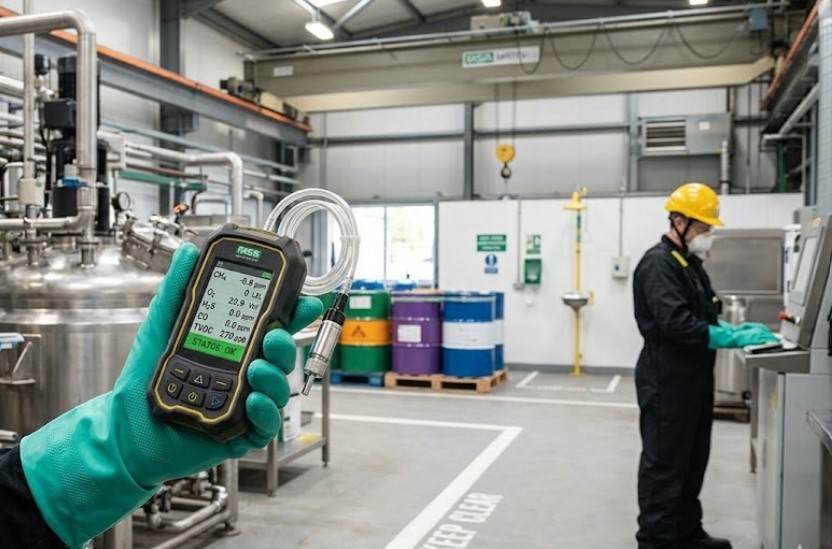
Workplace safety in the UAE is a priority across industries like oil and gas, construction, and manufacturing. Hidden gas hazards are often invisible and can accumulate silently, posing serious health and operational risks.
Detecting these dangers requires reliable tools, with Dräger gas detectors providing real‑time monitoring and early warnings.
This comprehensive discussion explores the nature of hidden gas hazards, how Dräger tools detect them, regulatory and industry contexts, real‑world insights, and professional best practices for gas safety in UAE worksites.
Hazardous gases can accumulate in many industrial scenarios without readily apparent signs. Common gas hazards encountered on UAE worksites include:
In confined spaces like storage tanks, pipelines, sewers, and construction trenches, these gases can reach dangerous levels within minutes due to inadequate ventilation and heat conditions common in the region. Continuous monitoring and early detection are essential to prevent serious injury or loss of life.
The UAE enforces strict safety and health regulations that govern how hazardous gases must be managed on worksites. These include Occupational Safety and Health Administration (OSHA) standards adopted regionally, as well as industry‑specific guidelines from entities such as Abu Dhabi National Oil Company (ADNOC) and municipal authorities.
Gas systems must be properly installed, maintained, and fitted with detection devices to prevent failure or dangerous build‑ups of gas. Safety protocols for construction sites also emphasize the correct storage and handling of LPG cylinders and other pressurized gases to reduce fire risks.
Dräger, a global leader in gas detection and industrial safety solutions, provides a range of tools and technologies designed to identify, monitor, and alert workers to hazardous gas concentrations. Their product portfolio includes:
Each device incorporates advanced sensor technologies, including electrochemical sensors for toxic gases, catalytic bead sensors for flammable gases, and infrared sensors for hydrocarbons and CO₂. Data logging, alarms, and connectivity features enhance situational awareness and compliance documentation.
Dräger devices are engineered to function in harsh industrial environments with features such as robust housings (IP‑rated protection), vibration and audio alarms, and real‑time displays. They are an effective frontline defense against invisible gas hazards that would otherwise go unnoticed until they cause harm. Some of the professional features include:
In UAE worksites across sectors, hidden gas threats can occur in the following contexts:
Gases like H₂S are particularly acute hazards in oil and gas projects where they can cause rapid incapacitation if not detected early. Training programs in the UAE emphasise gas testing procedures and monitoring as essential safety skills for workers and supervisors.
Global case studies show that gas detection systems are life‑saving technologies. In industrial environments, prompt alarm responses have enabled rapid evacuation and prevented mass injury following gas leak events. Regular maintenance and calibration of detectors are critical, as system failures or non‑functioning detectors have been identified as causal factors in serious incidents.
These insights underline that both technology and procedural discipline are required for comprehensive safety.
A robust gas safety program must encompass:
Safety managers should involve engineers and specialists in designing gas detection strategies tailored to site complexities. Site plans should include wireless monitoring, clear alarm indicators, and integration with overall safety systems.
Regular training ensures that workers:
Maintenance protocols help ensure detectors remain functional and accurate. Scheduled calibration and sensor replacement are standard practices that significantly reduce false alarms and detection failures.
This blog covers hidden gas hazards in UAE worksites, highlighting Dräger gas detection tools, safety strategies, real‑time monitoring, and expert insights for industrial workplace protection.
Common hazards include flammable gases like methane, toxic gases such as H₂S and CO, and oxygen-deficient environments in confined spaces.
Dräger detectors use electrochemical, catalytic, and infrared sensors to monitor gases in real time and trigger alarms when levels exceed safe limits.
Early gas detection prevents accidents, health risks, and operational disruptions, ensuring worker safety and regulatory compliance.
They are used in oil and gas, construction, manufacturing, and confined spaces for continuous monitoring and emergency alerts.
Hidden gas hazards represent a persistent and invisible threat across UAE worksites. With the UAE’s industrial growth and complex environments involving confined spaces, high temperatures, and hazardous materials, gas detection technology is indispensable. Dräger gas detection tools play a central role in identifying and mitigating these risks by providing reliable, real‑time monitoring of toxic, flammable, and oxygen‑related hazards.
Comprehensive safety strategies that integrate Dräger technologies with site‑wide hazard assessment, continuous monitoring, regulatory compliance, and worker training help organisations protect lives, avoid costly incidents, and maintain uninterrupted operations. For trusted and reliable Dräger solutions in Dubai, Jefflax Trading LLC is a leading supplier.
Contact them today to explore their range of products and enhance safety across your worksites.

March 12, 2025

March 25, 2025

April 2, 2025

April 14, 2025

April 22, 2025


