- HEAD PROTECTION
- EYE & FACE PROTECTION
- HEARING PROTECTION
- PROTECTIVE CLOTHING
- DISPOSABLE PPE
- ROAD SAFETY GEAR
- HAND PROTECTION
- FALL PROTECTION
- FOOT PROTECTION
- FIRE SAFETY GEAR
- RESPIRATORY PROTECTION
- SCBA
- GAS DETECTORS

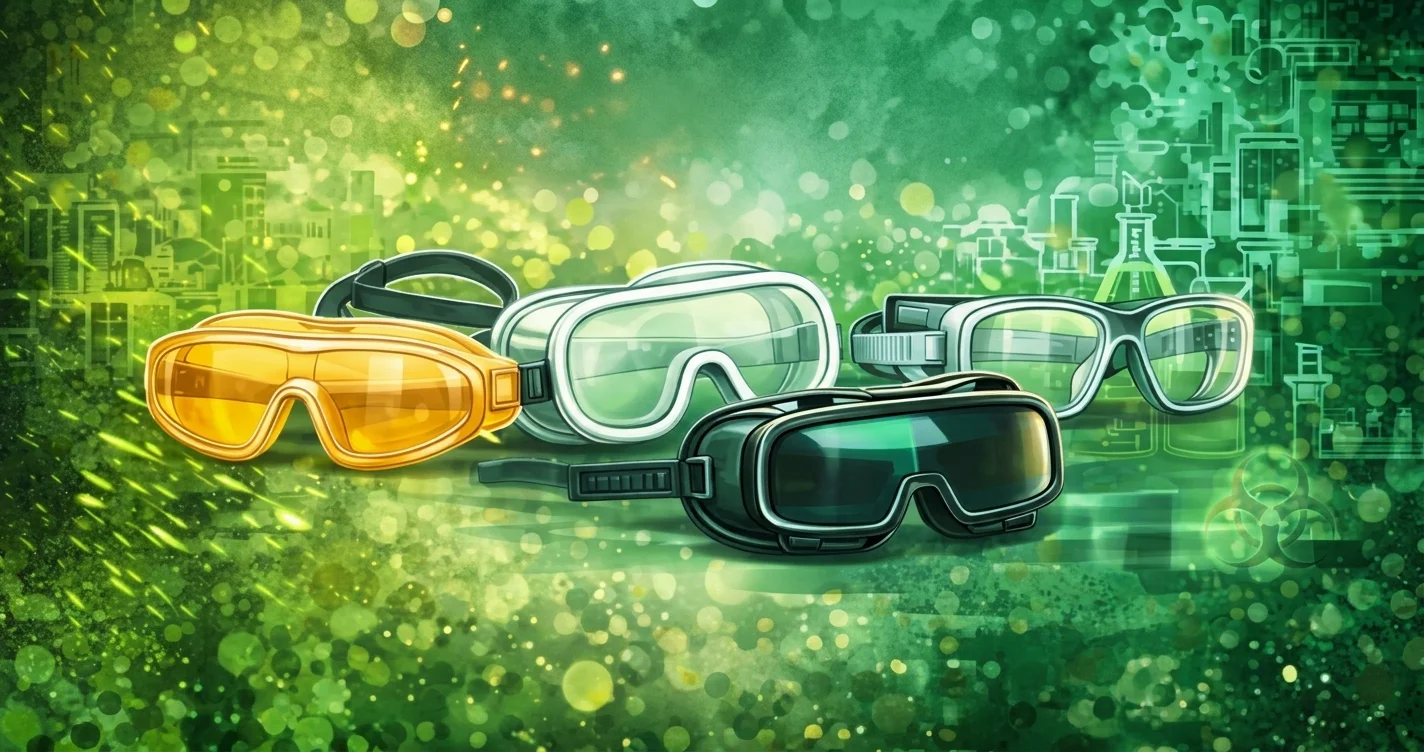
Safety goggles are sealed eye protection that keeps dust, splashes, fumes and flying particles away from your eyes. They give better cover than safety glasses when liquids or fine particles are involved. Choose them by hazard, standard marking, lens quality and fit, then check and replace them regularly.
Our eyes are easy to overlook until something goes wrong. A metal chip, a splash of cleaning fluid or a puff of fine dust can reach an eye in under a second, and the damage can last for years. That is why people keep asking what are safety goggles and why eye protection matters.
This guide keeps it practical. You will learn what safety goggles are, how they differ from safety glasses, which type suits which hazard and what to check before you buy, so you can protect your team without guesswork.
Safety goggles are protective eyewear that seals around the eyes with an elastic strap. Unlike ordinary glasses, they close the gaps at the sides, top and bottom, so dust, splashes, fumes and flying particles cannot reach the eye. Most use impact-resistant polycarbonate lenses in a flexible frame.
They belong to personal protective equipment (PPE), the same group as helmets, gloves and ear protection. Workers in laboratories, workshops, construction, cleaning and healthcare wear them daily. Many people also use them at home for sanding, cutting or mixing chemicals.
Eye protection matters because the eye has almost no natural defence against impact, chemicals or radiation. One small injury can mean pain, lost working days or permanent vision loss. Most eye injuries are preventable, and wearing the right eyewear is one of the cheapest and quickest controls a site can put in place.
Most injuries do not happen during dramatic accidents. They happen during routine jobs, like a quick cut, a short grinding task or topping up a chemical tank, when someone decides goggles are not worth the effort.
Common eye hazards include:
Many safety regulations also require employers to provide suitable eye protection wherever these hazards exist. That makes goggles a legal and a practical matter.
Safety glasses sit in front of the eyes like normal spectacles and block hazards coming from the front. Safety goggles sit against the face and seal the eye area, so they also stop splashes, dust and fumes from the sides, top and bottom. Use glasses for light impact risk and goggles when liquids or fine particles are involved.
Glasses are lighter and easier to wear all day. Goggles trap more heat and can fog, but they stay in place thanks to the strap. If you already wear prescription spectacles, look for over-the-glasses (OTG) goggles that fit on top without pressing on the frame.
Safety goggles come in three vent styles. Direct-vented goggles have open holes for airflow, indirect-vented goggles have covered vents that block splashes, and non-vented goggles are fully sealed. The right choice depends on whether the main risk is dust, liquid splashes or gas.
Some jobs need specialist goggles. Welding and UV work, for example, call for tinted lenses that filter harmful light. Once you know your hazard, you can order safety goggles that match it instead of settling for a general-purpose pair.
Choosing safety goggles should begin with the hazard rather than the appearance of the eyewear.
Consider these factors before selecting a pair:
A comfortable pair of goggles is more likely to be worn correctly and consistently. Fit therefore matters alongside technical protection.
Inspect goggles before every shift, clean them with mild soap and water, and store them in a clean case. Replace them when lenses are scratched, cracked or cloudy, when the strap loses tension or when the seal no longer sits flush. Damaged goggles give a false sense of safety.
A few habits extend their life:
So, what are safety goggles and why eye protection matters? They are a sealed barrier for one of the most exposed parts of the body, and they cost far less than an eye injury. Pick the style by hazard, check the standard marking and keep the pair in good condition.
If you need help matching goggles to your site, the team at Jefflax Trading LLC can guide you toward suitable eye protection for your work area.
Tell us the hazards your team faces, such as dust, chemical splashes or flying particles. We will recommend suitable goggles, check the standards you need and send a clear quote, so your team is protected from day one.
Goggles fog when warm, moist air from your face condenses on a cooler lens. To reduce it, choose indirect-vented goggles or lenses with an anti-fog coating, keep the lens clean and make sure the fit lets a little air move. Fully sealed goggles fog the most, so take short breaks in hot areas.
No. Regular sunglasses are not impact tested and leave gaps at the sides, so splashes, dust and fragments can still reach your eyes. A lens that cracks on impact can also make an injury worse. If you need tinted protection outdoors, choose tinted safety eyewear that carries a recognised standard marking.
Yes, as long as they fit well and suit the task. Light goggles with soft seals, an adjustable strap and an anti-fog lens are comfortable for a full shift. Poor fit or scratched lenses can cause eye strain and headaches, so replace worn pairs and give your eyes short rests during close work.
Discover expert guides on choosing, comparing and using electrical testers, thermal imaging and detection instruments to help you create a safer working environment.

March 12, 2025

March 25, 2025

April 2, 2025

April 14, 2025

April 22, 2025


