- HEAD PROTECTION
- EYE & FACE PROTECTION
- HEARING PROTECTION
- PROTECTIVE CLOTHING
- DISPOSABLE PPE
- ROAD SAFETY GEAR
- HAND PROTECTION
- FALL PROTECTION
- FOOT PROTECTION
- FIRE SAFETY GEAR
- RESPIRATORY PROTECTION
- SCBA
- GAS DETECTORS

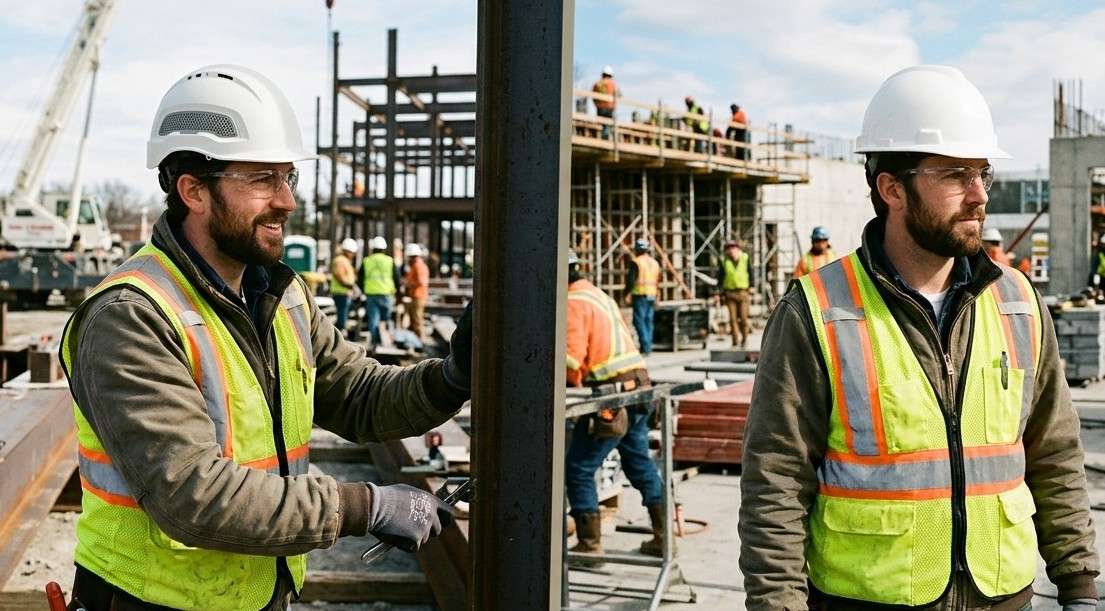
Hard hats are one of the most basic yet most important pieces of protective gear on any job site. Yet many supervisors still struggle with a simple question. Should workers wear vented hard hats for comfort or non vented hard hats for stronger protection. The answer depends entirely on the type of hazard present at the site, the climate, and the nature of the work being done.
In the UAE, where temperatures often cross forty five degrees during summer months, ventilation feels like an obvious choice. But on sites with exposed wiring, transformers, or chemical processing units, ventilation can turn into a serious safety gap. This guide breaks down the real differences between vented and non vented hard hats so you can make the right decision for your workforce.
A vented hard hat has small openings built into the shell, usually along the top and sides. These openings allow warm air trapped near the scalp to escape while pulling in cooler air from outside. This natural airflow can noticeably reduce heat buildup during long shifts under direct sun.
Vented hard hats are generally rated as Class C helmets, which means they offer no protection against electrical hazards. They are best suited for environments where the main risks are falling debris, bumps, and general impact rather than electricity or chemical exposure.
Typical use cases include
A non vented hard hat has a completely sealed shell with no openings at all. This solid design creates a barrier that blocks electrical current, liquids, dust, and airborne particles from reaching the head. Because of this sealed construction, non vented helmets are the standard choice in any environment where electrical or chemical exposure is a real possibility.
These helmets are usually rated as Class E or Class G depending on the level of voltage protection required. Class E helmets are tested at higher voltage levels and are mandatory for workers who deal directly with live wiring or high voltage equipment.
If your team works in an environment where electrical risk cannot be ruled out, sourcing certified protection from a trusted non vented hard hat supplier should be a top priority rather than an afterthought.
There is a simple engineering reason why vented helmets fail around live electricity. The vents create small breaks in the shell, and those breaks remove the continuous barrier that stops current from passing through. Even a well insulated plastic shell loses its protective value once holes are introduced into the design.
During an arc flash event, superheated gas can travel straight through these openings and cause serious burns to the scalp. A stray wire or exposed conductor can also make direct contact with the head through the same gap. This is exactly why electrical rated helmets must pass strict dielectric testing with a fully sealed shell, something a vented design simply cannot achieve.
For this reason, electricians, linemen, and anyone working near overhead power lines should always use a sealed, non vented, electrically rated helmet.
The table below summarises the key differences to help procurement teams and safety officers make a faster decision.
| Feature | Vented Hard Hat | Non Vented Hard Hat |
|---|---|---|
| Airflow | High, reduces heat buildup | None, fully sealed shell |
| Electrical Protection | Not rated for electrical hazards | Rated Class E or Class G |
| Best Environment | Dry outdoor sites with no electrical risk | Electrical, chemical, or wet sites |
| Rain and Liquid Resistance | Allows water and splashes to enter | Blocks rain, splashes, and dust |
| Typical Users | General laborers and outdoor crews | Electricians, technicians, and plant workers |
| ANSI Classification | Class C | Class E or Class G |
Workers who must wear non vented helmets in hot climates are not left without options. Several practical solutions help manage heat without removing the protective seal of the helmet.
Many teams also compare different helmet types and brands before finalizing their PPE program. For a broader look at popular options used across UAE construction sites, this overview of the top head protection trends for construction safety in UAE covers both vented and full brim styles in more detail.
Safety officers should start by identifying the actual hazards present rather than defaulting to comfort or cost. A simple hazard assessment often makes the decision clear.
Ask the following questions before selecting a helmet type
If the answer to any of the electrical or chemical questions is yes, a non vented helmet is the only acceptable choice. If none of those risks apply and heat is the main concern, a vented helmet can safely improve comfort and productivity.
For teams managing mixed crews across different site conditions, reviewing trusted brands and certifications can also help. This comparison of leading head protection brands for industrial safety is a useful reference when standardizing PPE across multiple job sites.
Choosing between vented and non vented hard hats comes down to one factor above everything else, and that is the actual hazard present on your site. Comfort matters for morale and long shift productivity, but it should never come at the cost of electrical or chemical safety. Vented helmets are excellent for general outdoor work in hot conditions, while non vented helmets remain essential wherever electricity, chemicals, or moisture are part of the daily risk.
At Jefflax Trading LLC, we help construction and industrial teams across the UAE match the right certified helmet to the actual risks present on their site, whether that means better airflow for outdoor crews or full electrical protection for technical teams.
For certified head protection and expert guidance on building a safer PPE program, connect with Jefflax today and equip your workforce with helmets built for real world job site conditions.
Explore more expert guides on helmets, ratings, and head protection choices to help you build a safer PPE program across your UAE job sites.

March 12, 2025

March 25, 2025

April 2, 2025

April 14, 2025

April 22, 2025


