- HEAD PROTECTION
- EYE & FACE PROTECTION
- HEARING PROTECTION
- PROTECTIVE CLOTHING
- DISPOSABLE PPE
- ROAD SAFETY GEAR
- HAND PROTECTION
- FALL PROTECTION
- FOOT PROTECTION
- FIRE SAFETY GEAR
- RESPIRATORY PROTECTION
- SCBA
- GAS DETECTORS

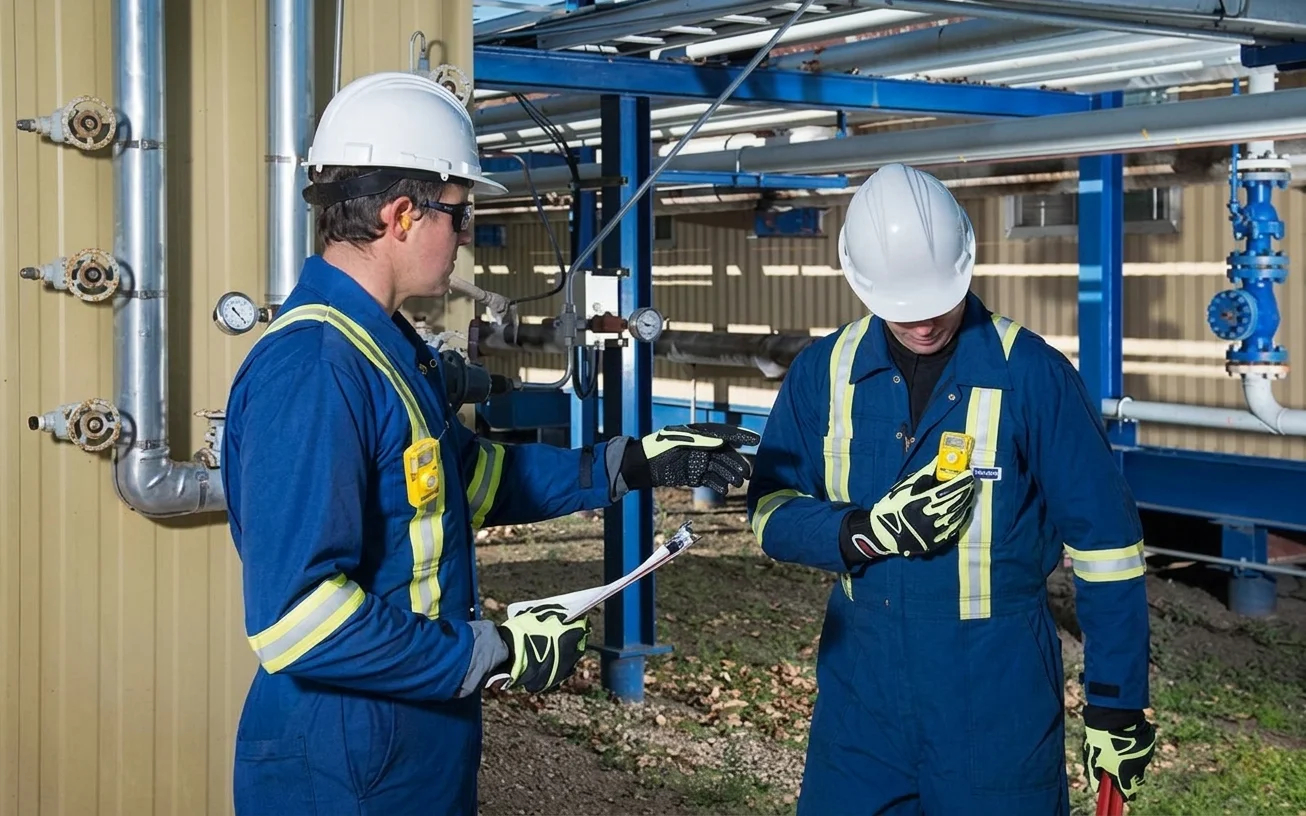
Fixed gas detectors monitor your workplace air around the clock and trigger alarms before toxic, flammable or oxygen-depleted atmospheres become dangerous. This guide explains how they work, which gases and sensors matter, which brands to consider, where to mount them, how often to calibrate them, and what to check before you buy.
Fixed gas detectors are the quiet safety layer in any plant, warehouse or workshop that handles hazardous gases. They watch the air all day, every day, and warn people while there is still time to act.
Choosing the wrong unit, or mounting the right one in the wrong place, leaves a gap you will only discover during an incident. This guide covers what to look at so your system actually works when it is needed.
Fixed gas detectors are permanently mounted devices that monitor air for hazardous gases around the clock. A sensor detects the gas, a transmitter converts the reading into a 4-20mA or digital signal, and a control panel triggers alarms or shutdowns when concentrations cross set limits.
Unlike portable monitors, which protect one person at a time, a fixed system protects the whole area. It keeps working during night shifts and while equipment runs unattended.
Alarms are usually set at two levels. A low alarm warns people to check the area, and a high alarm calls for evacuation or automatic shutdown. A controller collects signals from several transmitters and drives those alarms from one place.
Workplaces need fixed gas detection because many dangerous gases cannot be seen or smelled at harmful levels. Carbon monoxide has no odour, hydrogen sulfide deadens your sense of smell, and oxygen depletion gives almost no warning. A fixed system catches these before people feel symptoms.
Think of a pump room where a seal slowly leaks, or a battery charging bay where hydrogen collects near the ceiling. Nobody notices until the reading is already high.
Good detection also protects production. A gas alarm that shuts down one line early is far cheaper than an emergency stop of the whole facility.
You should monitor the gases your process, stored materials and surrounding equipment can release. Start with a hazard review, then match each gas to a detector. The most common targets are flammable gases measured as a percentage of LEL, toxic gases measured in ppm, and oxygen level.
Do not assume one detector covers everything. Each gas needs a compatible sensor, and some gases are lighter or heavier than air, which changes where the detector should sit.
The right sensor depends on the gas and the environment. Electrochemical sensors suit toxic gases and oxygen, catalytic bead sensors suit many flammable gases, and infrared sensors handle hydrocarbons in harsh or oxygen-poor conditions where catalytic sensors can struggle.
Dräger and Honeywell are two dependable brands for fixed gas detection. Dräger suits plants that need a wide choice of transmitters, infrared point detectors and controllers, while Honeywell offers specialist sensors for high-temperature areas and refrigerant leaks. Pick the brand by gas type, zone approval and control system compatibility.
Dräger transmitters are known for their clear design and wide choice of specifications, so you can match the unit to your gas and your site. The Polytron transmitter range, the PIR infrared point detectors and the REGARD controllers are often specified together as one complete system.
Dräger equipment is commonly used in chemical plants, oil and gas facilities and other hazardous locations. Replacement catalytic and infrared sensors are also available to keep an existing system running.
Honeywell covers more specific needs. Its detectors suit industrial plants, cold storage and process areas where a standard unit may not cope.
Options include a high temperature flammable gas sensor for hot process areas and a refrigerant gas detector for cooling plants and cold stores. Check outputs and approvals against your control system before ordering.
Fixed gas detectors should be installed where gas is most likely to collect or leak, at a height that matches the gas density. Mount sensors for lighter-than-air gases like hydrogen and methane high, and for heavier gases like propane and hydrogen sulfide near floor level.
Place them close to likely leak sources such as valves, flanges, pump seals and compressor connections. Also cover air intakes, confined entry points and low-lying areas like pits and trenches.
Avoid mounting in strong airflow paths that dilute gas, and leave room to reach each unit for calibration. If your layout is complex, a short site review with our team can show where coverage is thin before you commit to equipment.
Most manufacturers recommend a bump test or calibration check every three to six months, with a full calibration at least annually. High-risk or dirty environments need shorter intervals. Always follow the manual for your model and your site’s risk assessment.
Sensors drift with age and exposure. A detector that reads zero may simply be blind. Keep a log of every test, replacement and alarm event, as auditors and insurers often ask for it.
Plan for spares as well. A unit waiting weeks for a replacement sensor is a unit that is not protecting anyone.
Before buying, check the gas type and range, the area classification, the approvals on the device, output signals, enclosure rating and after-sales support. A detector that is not certified for your hazardous zone cannot legally or safely be installed there, whatever the price.
A reliable supplier provides certified equipment, the right sensor for each gas, and spare parts when you need them. Browse our range of fixed gas detectors to compare models for your site.
Fixed gas detection works when the basics are right: the correct sensor for each gas, sensible placement, regular calibration and certified hardware. Skip any one of these and the system gives a false sense of security.
Start with a hazard review, then build the detector list from it. If you want help choosing or sizing a system, Jefflax Trading LLC can guide you from selection to supply.
Not sure which gas detector suits your site?
Tell us what gases you handle and how your area is laid out. Our team will recommend suitable detectors, outputs and approvals, and send you a clear quote with stock and delivery details.
Fixed gas detectors are permanently installed and monitor one area continuously, while portable detectors are carried by individual workers. Fixed units protect a location around the clock and connect to alarms and shutdown systems. Portable units protect the person wearing them, which suits confined space entry and inspections.
Electrochemical sensors typically last two to three years, catalytic sensors around three to five years, and infrared sensors often longer. Actual life depends on gas exposure, temperature, humidity and maintenance. Regular calibration shows when a sensor is losing sensitivity and needs replacing.
They do when installed in classified hazardous areas where flammable gas or dust may be present. In those zones, detectors must carry approvals such as ATEX or IECEx for the zone classification. General-purpose units are fine only in non-hazardous locations.
The number depends on room size, ventilation, gas density and leak sources. A hazard assessment or gas mapping study sets coverage. Place detectors near likely leak points and in areas where gas can collect, rather than spacing them evenly by floor area.
Discover expert guides on choosing, comparing and using electrical testers, thermal imaging and detection instruments to help you create a safer working environment.

March 12, 2025

March 25, 2025

April 2, 2025

April 14, 2025

April 22, 2025


