- HEAD PROTECTION
- EYE & FACE PROTECTION
- HEARING PROTECTION
- PROTECTIVE CLOTHING
- DISPOSABLE PPE
- ROAD SAFETY GEAR
- HAND PROTECTION
- FALL PROTECTION
- FOOT PROTECTION
- FIRE SAFETY GEAR
- RESPIRATORY PROTECTION
- SCBA
- GAS DETECTORS

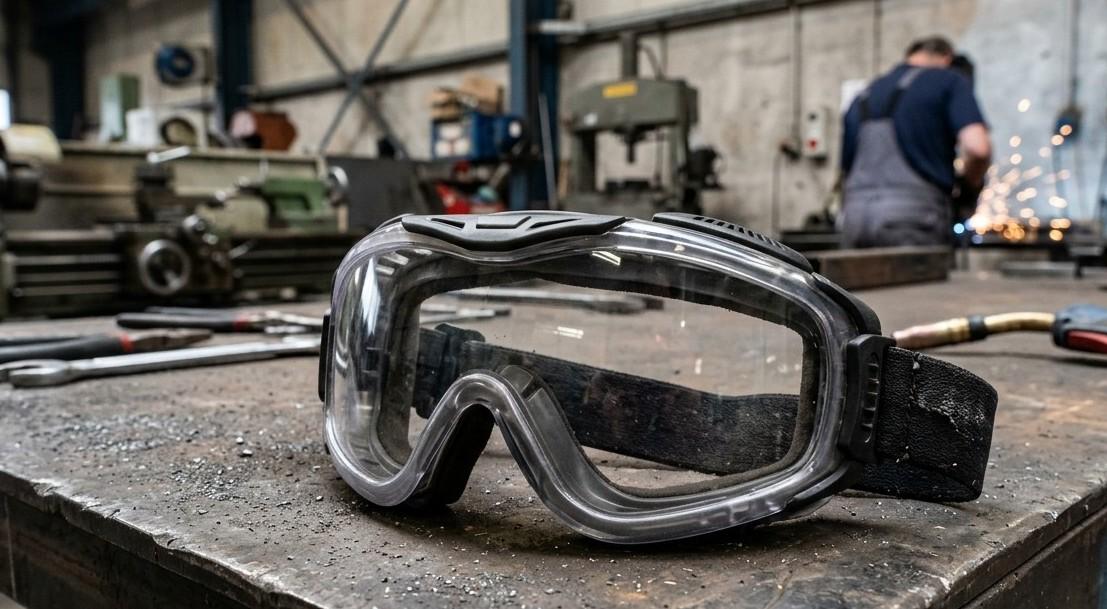
Every day thousands of industrial workers face hidden risks to their eyesight. Flying particles, chemical splashes, molten metal and harsh light are part of daily operations in factories, construction sites and processing plants across the UAE.
Most eye injuries happen in seconds, yet almost all of them can be prevented with the right knowledge and the right equipment. This guide breaks down the hazards, the protection types and the practices that keep workers safe on site.
The eyes are among the most sensitive parts of the human body, and even a small injury can lead to permanent vision loss. In industrial settings, workers are exposed to hazards that can strike without warning, so protective eyewear is not optional gear but a basic requirement for safe work.
Poor eye protection can lead to several outcomes for both workers and employers.
A strong safety culture starts with understanding these risks and addressing them before an incident occurs.
Different tasks create different types of risk, so identifying the hazard is the first step toward choosing suitable protection.
The table below summarizes typical hazards and the level of eye protection generally recommended for each.
| Hazard Type | Typical Work Activity | Recommended Eye Protection |
|---|---|---|
| Flying Particles | Grinding, cutting, drilling | Safety glasses with side shields |
| Chemical Splash | Handling acids and solvents | Safety goggles with sealed frame |
| Heat and Radiation | Welding and furnace work | Welding helmet with auto-darkening filter |
| Molten Metal | Casting and metal pouring | Face shield with heat-resistant visor |
| Airborne Dust | Sanding and material handling | Dust-resistant goggles |
Choosing the correct type of eyewear depends on the hazard, the task and how long the worker is exposed to it.
Businesses looking for certified gear can review a full range of industrial eyewear through this safety glasses supplier for teams across the UAE.
Workers often ask how goggles differ from standard safety glasses, and this comparison of safety goggles versus safety glasses explains the coverage level, fit and best use case for each option in more detail.
Selecting suitable eyewear involves more than picking the first product available. A structured approach helps employers match protection to actual site conditions.
A wider overview of head, hand and eye protection categories used across industrial sites is available in this guide to protective equipment in the workplace, which explains how eyewear fits into a complete PPE program.
Even the best eyewear only works when it is used and maintained correctly.
| Maintenance Task | Recommended Practice |
|---|---|
| Daily Cleaning | Use non-abrasive lens cleaner to avoid scratches |
| Storage | Keep away from heat, chemicals, and dust |
| Inspection | Check weekly for cracks or loose frames |
| Replacement | Swap out damaged gear immediately |
| Fit Check | Adjust straps and nose pads for a secure seal |
In case of an eye injury, quick response makes a major difference in outcome. Facilities handling chemicals should keep certified rescue equipment on hand, and this overview of eye wash station suppliers explains how proper stations support faster emergency response on busy industrial sites.
A safe workplace depends on consistent policies, not just equipment availability.
Certain sectors carry a higher baseline risk and require consistent PPE enforcement.
Workers in these fields face repeated exposure to hazards, which makes daily use of certified eyewear a core part of routine operations rather than an occasional precaution.
Eye protection is one of the simplest yet most effective ways to prevent life changing injuries in industrial workplaces. Identifying hazards, choosing certified eyewear and building consistent habits around use and maintenance can eliminate most of the risk workers face every day.
For businesses in the UAE aiming to strengthen workplace safety and equip their teams with certified protective eyewear, partnering with Jefflax Trading LLC provides access to a wide range of internationally approved eye and face protection built for demanding industrial environments.
Contact our industrial safety equipment experts to find the right eye protection solutions for your workforce and keep your operations compliant and accident free.
Explore more expert guides on eyewear, standards, and eye protection choices to help you build a safer PPE program across your UAE job sites.

March 12, 2025

March 25, 2025

April 2, 2025

April 14, 2025

April 22, 2025


