- HEAD PROTECTION
- EYE & FACE PROTECTION
- HEARING PROTECTION
- PROTECTIVE CLOTHING
- DISPOSABLE PPE
- ROAD SAFETY GEAR
- HAND PROTECTION
- FALL PROTECTION
- FOOT PROTECTION
- FIRE SAFETY GEAR
- RESPIRATORY PROTECTION
- SCBA
- GAS DETECTORS

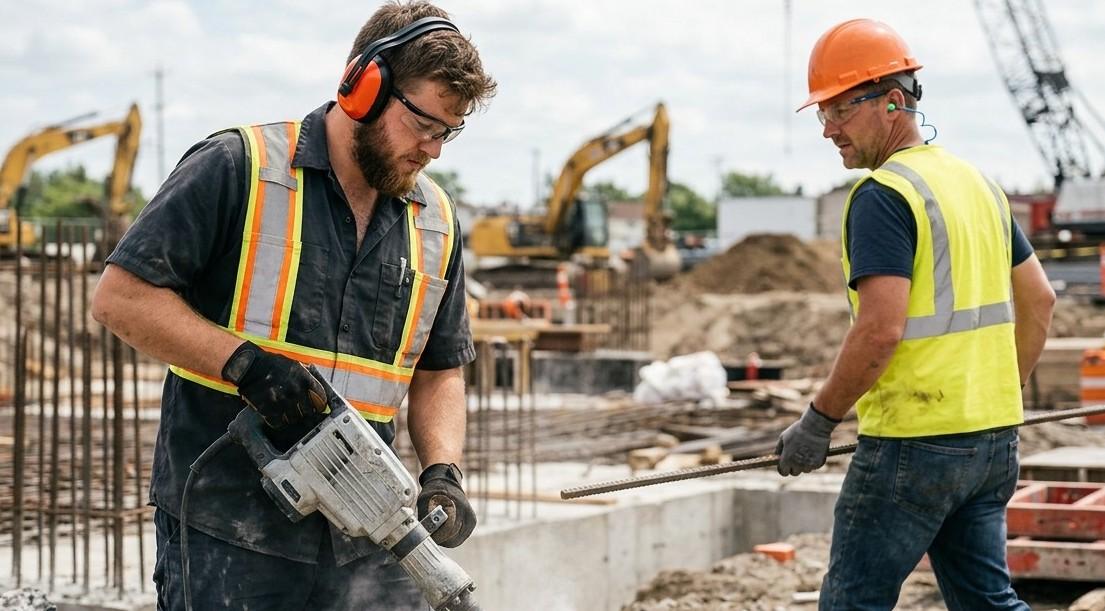
Every day, millions of workers are exposed to high noise levels that can permanently damage their hearing. Industries such as construction, manufacturing, metal fabrication, mining, and oil and gas often operate machinery capable of producing noise well above safe exposure limits. Without proper hearing protection, workers face an increased risk of occupational hearing loss, reduced concentration, and long-term health issues.
Using the right hearing protection equipment is not only a safety requirement but also an investment in employee well-being and productivity. Whether you work with heavy machinery, power tools, or industrial equipment, protecting your hearing should always be a priority.
Hearing loss caused by excessive workplace noise is permanent and cannot usually be reversed. Unlike visible injuries, hearing damage develops gradually, making it difficult for workers to notice until significant damage has already occurred.
Continuous exposure to loud environments can lead to:
Investing in industrial hearing protection helps prevent these issues while creating a safer and more productive workplace.
Many industries regularly produce noise levels above the recommended exposure limit. Some common sources include:
Workers exposed to these environments should always wear suitable hearing protection devices to reduce the risk of permanent hearing damage.
Noise is measured in decibels (dB). As sound levels increase, the amount of time workers can safely remain exposed decreases significantly.
| Noise Level | Common Source | Recommended Protection |
|---|---|---|
| 70 dB | Office environment | Usually not required |
| 85 dB | Busy workshop | Hearing protection recommended |
| 95 dB | Power tools | Hearing protection required |
| 100 dB | Heavy machinery | Mandatory hearing protection |
| 110 dB+ | Jackhammer or demolition equipment | High-performance hearing protection essential |
Even short exposure to extremely loud noise can damage hearing permanently, making workplace hearing protection essential in industrial environments.
Different workplaces require different types of hearing protection depending on the noise level and working conditions. Understanding the differences between hearing protection products such as earmuffs and earplugs can help employers and workers choose the most suitable PPE for their environment.
Earplugs fit directly into the ear canal and provide lightweight protection. Disposable foam earplugs are affordable and suitable for many industrial applications, while reusable silicone options offer better durability.
They are ideal for:
Earmuffs completely cover the ears and provide consistent protection against loud noise. They are easy to wear, simple to clean, and suitable for workers who frequently remove and replace hearing protection.
Common applications include:
Modern electronic earmuffs reduce harmful noise while allowing users to hear conversations, alarms, and warning signals. These are commonly used where communication is critical.
They are suitable for:
Using quality ear protection PPE provides several important advantages beyond preventing hearing loss.
Workers can remain focused without being distracted by excessive noise. Reduced fatigue and better concentration help minimize workplace accidents.
Preventing occupational hearing loss improves overall quality of life. Employees maintain better communication skills and reduce the risk of chronic tinnitus.
Many countries require employers to provide appropriate workplace safety equipment, including hearing protection, when employees are exposed to hazardous noise levels.
Meeting these requirements also helps businesses avoid costly penalties and improve workplace safety standards.
Comfortable workers are more productive. Providing high-quality hearing protection equipment helps employees work confidently without worrying about long-term hearing damage.
Not every hearing protector offers the same level of protection. Consider the following factors before purchasing.
The Noise Reduction Rating indicates how much noise a hearing protector can reduce. Higher NRR values generally provide greater protection in loud environments.
Workers are more likely to wear comfortable hearing protection throughout their shifts. Adjustable earmuffs and soft foam earplugs improve compliance.
Consider heat, humidity, dust, and communication needs when selecting hearing protection. Some industries benefit from lightweight earplugs, while others require heavy-duty earmuffs.
Hearing protection should work alongside helmets, face shields, safety glasses, and respirators without compromising safety or comfort.
Providing PPE alone is not enough. Employers should build a complete hearing conservation program.
Some recommended practices include:
These steps help reduce workplace injuries while extending employees’ long-term hearing health.
Many industries depend on reliable hearing protection in the workplace.
Examples include:
In these environments, wearing certified hearing protection devices is often a daily requirement rather than an option.
Protecting your hearing is just as important as protecting your eyes, hands, or respiratory system. Long-term exposure to excessive workplace noise can result in permanent hearing damage, reduced productivity, and costly health issues. Investing in high-quality hearing protection equipment helps create a safer work environment while ensuring compliance with workplace safety standards.
If you’re searching for a trusted earmuffs earplugs supplier UAE, Jefflax Trading LLC offers a wide range of certified hearing protection, ear protection PPE, and other workplace safety equipment for construction, manufacturing, oil and gas, and industrial applications. Contact our team today to find the right hearing protection solutions for your workplace and keep your workforce safe.

March 12, 2025

March 25, 2025

April 2, 2025

April 14, 2025

April 22, 2025


