- HEAD PROTECTION
- EYE & FACE PROTECTION
- HEARING PROTECTION
- PROTECTIVE CLOTHING
- DISPOSABLE PPE
- ROAD SAFETY GEAR
- HAND PROTECTION
- FALL PROTECTION
- FOOT PROTECTION
- FIRE SAFETY GEAR
- RESPIRATORY PROTECTION
- SCBA
- GAS DETECTORS

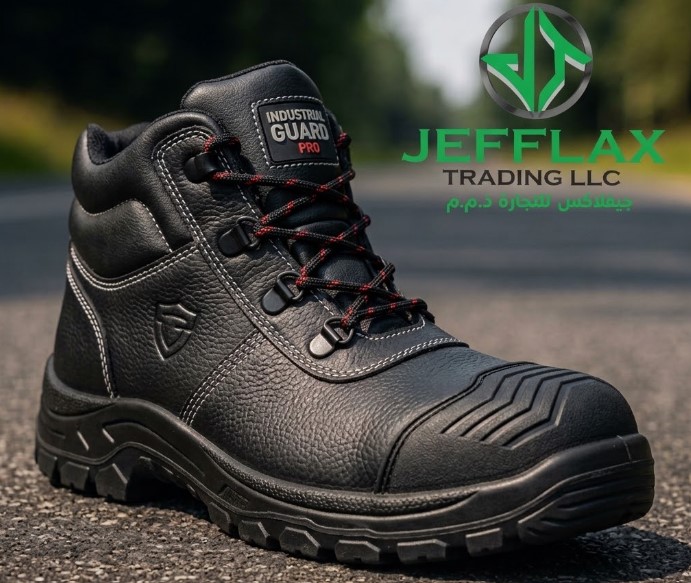
Safety jogger shoes combine the protective hardware of industrial boots with the low profile build of athletic trainers. For operations teams managing warehouses, construction sites, or manufacturing floors, they solve a real tension.
Workers need toe and puncture protection, but rigid steel toe boots slow people down and cause fatigue over long shifts. This guide breaks down the types, certification standards, and features that separate a genuinely protective jogger from a shoe that merely looks the part.
Table of Contents
Safety jogger shoes are protective footwear built on a lightweight athletic sole and upper, engineered to meet occupational safety standards while retaining the flexibility and breathability of a running shoe.
They typically include a protective toe cap, a puncture resistant midsole, and slip resistant outsoles rated for industrial floors. Unlike traditional work boots, they prioritize mobility for roles involving extended walking or standing.
Safety jogger are categorized primarily by their toe protection material and their certified safety class, not by brand or color.
Composite toe joggers use non metallic materials such as carbon fiber, Kevlar, or fiberglass. They weigh less than steel and don’t conduct heat or cold, making them the default choice for airport security screening and electrical environments.
Steel toe joggers offer marginally higher impact resistance per unit of material but add weight and can transfer temperature extremes.
ESD rated joggers dissipate static electricity safely through the sole, protecting workers and sensitive electronics on the floor. They’re standard issue in electronics assembly, pharmaceutical cleanrooms, and any facility handling volatile or static sensitive materials.
Metal free construction eliminates steel shanks, toe caps, and even certain eyelets. These joggers pass through metal detectors without triggering alarms, which matters in food processing plants, airports, and secure facilities with routine screening.
Built with sealed seams and treated uppers, these variants protect against liquid ingress and chemical splash in wet processing plants, agriculture, and sanitation roles.
Before purchasing, confirm the shoe carries a recognized safety classification, since “safety jogger” styling alone doesn’t guarantee protective performance.
Cross reference the rating on the product spec sheet against your site’s risk assessment before bulk ordering.
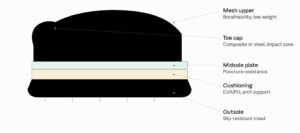
A safety jogger earns its category not from styling but from a specific set of engineered components working together.
The toe cap absorbs impact from falling objects, while a puncture resistant midsole, often a flexible composite plate, prevents sharp debris from penetrating the sole without adding the rigidity of a full steel plate.
Outsoles rated for slip resistance use tread patterns and rubber compounds tested against oil covered and wet steel surfaces, typically referencing coefficient of friction benchmarks from OSHA or SATRA testing protocols.
Mesh or perforated uppers reduce internal heat buildup during long shifts. Total shoe weight matters directly. Every extra 100 grams per shoe measurably increases fatigue over an 8 to 10 hour shift, based on industrial ergonomics research.
EVA or PU midsoles with contoured footbeds reduce plantar strain for roles requiring prolonged standing or walking on concrete, a leading contributor to lower back and joint complaints in industrial settings.
If your team is standardizing footwear across multiple sites, it’s worth having a safety consultant review your risk assessment against current PPE options rather than relying on generic product listings. Mismatched certifications are a common audit finding.
Yes. Certified Safety Jogger safety shoes can provide impact and compression protection comparable to steel-toe boots when they meet the required safety standard. Protection depends on the specific model and certification.
Yes, some Safety Jogger models are designed for wet or oily work environments. Check the specific model for water resistance and slip-resistant outsole ratings before use.
Replace Safety Jogger shoes when the outsole is worn, the upper or toe protection is damaged, or cushioning and support have noticeably deteriorated. Replacement frequency depends on the work environment and daily use.
Get the Right Safety Jogger Shoes for Your Workforce
Need Safety Jogger shoes for construction, warehousing, manufacturing, or other demanding workplaces? Jefflax Trading LLC can help you source suitable safety footwear based on your requirements, including toe protection, slip resistance, ESD, and other safety specifications.

March 12, 2025

March 25, 2025

April 2, 2025

April 14, 2025

April 22, 2025


