- HEAD PROTECTION
- EYE & FACE PROTECTION
- HEARING PROTECTION
- PROTECTIVE CLOTHING
- DISPOSABLE PPE
- ROAD SAFETY GEAR
- HAND PROTECTION
- FALL PROTECTION
- FOOT PROTECTION
- FIRE SAFETY GEAR
- RESPIRATORY PROTECTION
- SCBA
- GAS DETECTORS

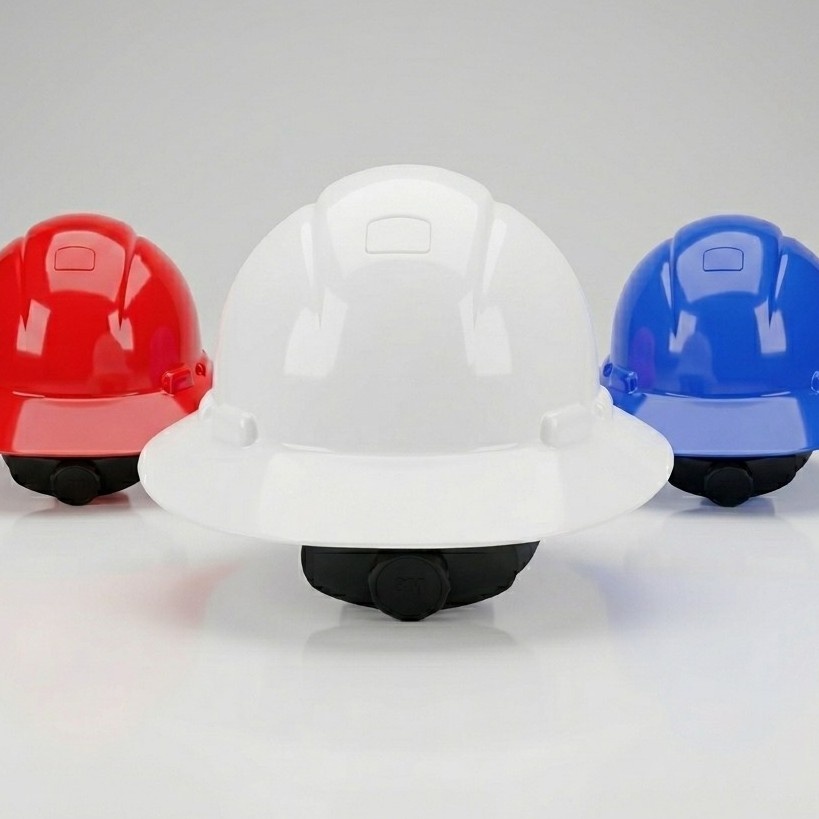
Head injuries remain a major workplace hazard across construction, manufacturing, oil and gas, and industrial environments. 3M hard hats are widely trusted for providing reliable impact protection, comfort, durability, and compatibility with additional PPE such as face shields, earmuffs, and respirators.
According to workplace safety guidance published by 3M Head Protection Solutions, proper head protection is essential in industries where workers are exposed to overhead hazards, electrical risks, and struck by incidents.
Companies operating in construction, oil and gas, and manufacturing environments often rely on certified 3M safety equipment to improve worker protection and maintain compliance with international workplace safety standards.
Hard hats are designed to protect workers from:
The Occupational Safety and Health Administration (OSHA) requires employers to provide head protection when there is a risk of head injury in the workplace.
A typical 3M hard hat includes two critical components:
The shell is commonly made from:
The shell absorbs and disperses impact forces to reduce direct trauma to the head.
The suspension harness creates space between the shell and the worker’s head, helping absorb shock energy during impact.
Modern 3M suspension systems improve:
The 3M SecureFit Hard Hat series is one of the most widely used industrial hard hat systems.
Key features include:
3M states that SecureFit systems can reduce forehead pressure compared to traditional suspension systems.
The 3M H700 Series Hard Hat is designed for general industrial and construction use.
Key advantages include:
The UV sensor changes color over time to help indicate when helmet replacement may be required.
The 3M™ Hard Hat G3000 Series is designed for working at heights and high risk environments.
These helmets include:
Industries such as telecommunications, wind energy, and utilities increasingly use safety helmets instead of traditional hard hats for better retention and side impact protection.
Type I hard hats primarily protect against impacts to the top of the head.
Type II helmets provide both top and lateral impact protection.
According to industry safety discussions and OSHA guidance, Type II helmets are becoming more common in high risk industrial environments.
Designed for general electrical protection up to approximately 2,200 volts.
Designed for high voltage protection up to approximately 20,000 volts.
Provide comfort and ventilation but generally do not offer electrical protection.
Electrical classification is critical in utility, energy, and electrical maintenance environments.
Construction sites expose workers to overhead tools, debris, scaffolding risks, and structural hazards.
3M hard hats are commonly used for:
Oil refineries and offshore facilities require hard hats capable of withstanding demanding industrial environments.
Factories and warehouses use hard hats to reduce risks from moving equipment, overhead storage systems, and material handling operations.
Workers at height often use climbing style 3M safety helmets with chin straps for improved retention and visibility.
Safety professionals emphasize that uncomfortable PPE often leads to poor compliance among workers.
Modern 3M hard hats focus heavily on:
Industry experts note that workers are more likely to wear protective equipment consistently when comfort is prioritized alongside safety performance.
Ratchet suspension systems generally provide easier adjustment and improved comfort compared to pin lock systems.
Vented hard hats improve airflow and reduce heat buildup in hot environments.
However, vented models may not be suitable for electrical hazard applications.
Many 3M hard hats support:
ABS shells often provide improved impact resistance, while HDPE models offer lightweight performance.
Proper maintenance is essential for maintaining protective performance.
Workers should inspect for:
Damaged hard hats should be replaced immediately.
Only reverse donning approved models should be worn backward.
Unauthorized modifications can compromise structural integrity.
UV exposure, heat, and chemical exposure degrade hard hat materials over time.
Manufacturers often recommend periodic replacement depending on work conditions and exposure levels.
Modern workplace head protection is evolving rapidly through:
Safety helmets with climbing style retention systems are increasingly replacing traditional hard hats in high risk industries worldwide.
Some widely used models include:
3M hard hats play a vital role in protecting workers from head injuries in construction, industrial, oil and gas, and utility environments. Their advanced design, strong impact resistance, and ergonomic comfort make them a reliable choice for improving workplace safety and ensuring compliance with international safety standards.
Selecting the right hard hat based on job risk, electrical protection class, and working conditions helps reduce accidents and improves long term safety performance across worksites.
Choosing the right head protection is essential for maintaining a safe and compliant work environment. For reliable 3M hard hats and complete industrial safety solutions, connect with Jefflax to equip your workforce with trusted protection and improve workplace safety across all industrial sectors.

March 12, 2025

March 25, 2025

April 2, 2025

April 14, 2025

April 22, 2025


